

Chiggers: What They Are and How to Get Rid of Them on the Cheap

You thought you were just out there doing a little yardwork. Turns out, you were hosting a microscopic all-you-can-eat buffet. Chiggers may be practically invisible, but the aftermath they leave? Unforgettable. If you’ve been losing sleep to the kind of itching that feels like revenge from nature itself, take heart. This frugal guide to chiggers treatment covers what they are, how to calm the scratch-fest, and—most importantly—how to send them packing without draining your wallet.

Let me paint a word picture for you: You spend a lovely Saturday pulling weeds, trimming the roses, maybe even feeling a little smug about finally tackling that overgrown corner of the yard that’s been mocking you since spring. Life is good. You’re sweaty, a little sunburned, and proud. Fast forward to 3 a.m.—you’re wide awake, scratching like you’ve been rolling around in insulation and wondering if you’ve contracted some rare skin disease from outer space. Nope. You’ve just met chiggers—those nearly invisible freeloaders that turn your yard into a tiny torture chamber.
So… What Are Chiggers?
Chiggers are the baby form (larvae) of a certain type of mite. Think of them as toddler mites—full of energy and absolutely no manners. Contrary to popular belief, they don’t burrow into your skin (small blessings), but they do something equally unsettling: they latch on, inject an enzyme that dissolves your skin cells, and then—brace yourself—they slurp it up through a tiny feeding tube called a stylostome. Yes, your skin soup is apparently fine dining in the chigger world.
They thrive in warm weather, tall grass, leaf piles, and shady garden beds—especially in hot, humid regions of the U.S. like the Southeast and Midwest. If you live in a dry or high-altitude area, you might not even know these little pests exist (consider yourself lucky). But for the rest of us, especially in summer, they love to find their way to your waistbands, sock lines, armpits—basically anywhere clothing hugs the skin. How charming.
How to Tell You’ve Been Chiggered
You won’t feel them right away—they’re tiny and sneaky. By the time you notice, they’ve had their little picnic and moved on. What you will notice is the aftermath: clusters of red, intensely itchy welts, usually popping up 3 to 6 hours later. They’re often found around tight clothing or areas where your skin was compressed, like waistbands, sock lines, bra straps, or the backs of your knees.
If the itching is keeping you up at night and you haven’t changed laundry detergents, started a new skincare routine, or adopted a cat, chances are good you’ve been chiggered, and you’re going to need some reliable chiggers treatment options that won’t blow your budget.
7 Frugal Chiggers Treatments That Actually Work
You don’t need hazmat suits or a monthly pest control subscription to convince chiggers to move along. Just a little know-how, some elbow grease, and a healthy respect for sulfur will do the trick.
1. Mow Like You Mean It

Chiggers love tall grass and shady overgrowth. Shorten their happy place by keeping your lawn neatly trimmed. Don’t forget fence lines, garden edges, and corners where your mower usually doesn’t venture—these mites are sneaky and love to hang just beyond the reach of your regular weekend efforts.
2. Diatomaceous Earth (Food Grade ONLY)

HARRIS Diatomaceous Earth Food Grade
This chalky powder may look innocent, but to insects, it’s like walking barefoot on broken glass. Sprinkle it generously in problem spots. It’s safe for pets and kids when used properly, and bonus: it also helps with fleas, ants, and other creepy-crawly freeloaders.
Diatomaceous earth is one of the cheapest chiggers treatment tools out there. One bag will last you a long time.
Important: Always use Food Grade Diatomaceous Earth. The kind used for swimming pools has been chemically altered and won’t work (and could be harmful if misused). So no, the bag stashed by your pool stuff won’t cut it.

3. Sulfur Powder: Old-School but Still Sassy

I Must Garden Dusting Wettable Sulfur Powder
This stuff stinks—literally—but chiggers can’t stand it. Sprinkle it lightly along lawn edges or dust it on socks and shoes before heading outdoors. You may smell like the tail end of a fireworks show, but you won’t be a walking buffet.
Just try not to track it indoors unless you want your house to smell like a 4th of July barbecue gone wrong.

4. Neem Oil Spray

Best Naturals 100% Pure Neem Oil
Mix 1–2 tablespoons of neem oil with a gallon of water and spray shady, damp areas where chiggers like to party. Neem is a plant-based pest deterrent that’s effective without being harsh. You won’t harm your veggies, herbs, or four-legged friends.

5. Epsom Salt Rinse (for Your Yard, Not Your Feet)

Amazon Basics Epsom Salt
Mix one cup of Epsom salt (not table salt!) per gallon of water and hose it over your lawn. It dehydrates soft-bodied pests like chiggers and gives your plants a gentle magnesium boost while you’re at it.
Who knew your garden’s spa day could double as pest control?

6. Call in the Good Guys: Beneficial Nematodes

Live Beneficial Nematodes
These microscopic soil dwellers might sound like something out of a sci-fi movie, but they’re real and very helpful. Once applied, they go to work eating chigger larvae, flea pupae, and other soil pests. No toxic residue, no disruption to your garden ecosystem.
They’re low-maintenance, hardworking, and never complain about overtime. We should all be so lucky.

7. For the Bold: Chickens or Guinea Fowl

If you’re rural—or just curious how far your HOA’s patience stretches—consider backyard birds. Chickens and guinea fowl are natural chigger hunters and spend their days scratching, pecking, and reducing the mite population one bite at a time.
Just don’t expect them to stay out of your flower beds. And prepare for a few unsolicited sunrise wake-up calls.
How to Treat the Bites Cheaply
Okay, so you missed a spot. Or ten. Once the itching kicks in, here’s how to calm things down without spending a fortune:
- Hot, soapy shower: First thing. Wash thoroughly to get rid of any stragglers still clinging to your skin or clothes.
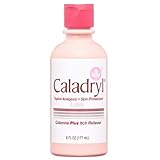
- Hydrocortisone cream or calamine lotion: Both are affordable, widely available, and effective at reducing redness and inflammation. Keep one in your medicine cabinet year-round.
- Oatmeal paste: Mix ground oats with a little water and slather it on the bites.
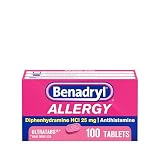
- Oral antihistamines (like Benadryl): When the itch is ruining your day—or your sleep—this can help calm the histamine response.
An ice pack or cool compress can offer temporary relief and help reduce swelling. Not fancy, but it works.
And of course, do not scratch—no matter how satisfying it might feel in the moment. I know, I know. But unless you’re going for “abstract nail art” in scar form, hands off.

Prevention: Because One Round of Chiggers Treatment Is Enough
When it comes to chiggers, prevention is the cheapest and most effective tool in your kit—and a whole lot less itchy than the alternative.
- Wear long pants and socks when working or playing outdoors, especially in tall grass, brush, or garden beds.
- Tuck your pants into your socks. Yes, you may look like you’re headed to a wilderness-themed middle school dance, but your ankles will be itch-free.
- Shower and change clothes as soon as you come inside. Chiggers like to linger on fabric, so toss those clothes straight into the laundry, too.
- Use natural repellents like sulfur powder or essential oils (tea tree, lavender, eucalyptus). Dab them around your shoes, socks, and hems before heading out.


Wrap-Up: Take Back Your Yard from Chiggers
You don’t need to drop a fortune at the garden center or call in a pest control SWAT team. With a few simple tools, some everyday items, and maybe a light dusting of sulfur (okay, maybe more than a light dusting), you can reclaim your yard—and your skin—from the clutches of chiggers.
And if all else fails? Concrete. Or AstroTurf. I’m only half kidding.
Question: What’s your go-to trick for keeping bugs at bay in the yard—and does it actually work?
EverydayCheapskate™ is reader-supported. We participate in the Amazon Services LLC Associates Program and other affiliate advertising programs, designed to provide a means for us to earn from qualifying purchases, at no cost to you.

More from Everyday Cheapskate
 https://www.everydaycheapskate.com/wp-content/uploads/20260829-fall-yard-projects-to-tackle-before-the-first-frost-foilage-front-yard-home.png
800
1200
Mary Hunt
https://www.everydaycheapskate.com/wp-content/uploads/EC-Logo-by-Mary-Hunt-Tagline-Trimmed.png
Mary Hunt2026-08-29 17:25:422026-08-29 17:25:4210 Fall Yard Tasks to Complete Before First Frost Hits
https://www.everydaycheapskate.com/wp-content/uploads/20260829-fall-yard-projects-to-tackle-before-the-first-frost-foilage-front-yard-home.png
800
1200
Mary Hunt
https://www.everydaycheapskate.com/wp-content/uploads/EC-Logo-by-Mary-Hunt-Tagline-Trimmed.png
Mary Hunt2026-08-29 17:25:422026-08-29 17:25:4210 Fall Yard Tasks to Complete Before First Frost Hits https://www.everydaycheapskate.com/wp-content/uploads/20260826-DIY-cat-litter-deodorizer-kitten-looking-up-at-camera-from-box.png
800
1200
Mary Hunt
https://www.everydaycheapskate.com/wp-content/uploads/EC-Logo-by-Mary-Hunt-Tagline-Trimmed.png
Mary Hunt2026-08-25 21:17:362026-08-25 21:17:36The One-Ingredient Litter Box Trick That Costs Pennies
https://www.everydaycheapskate.com/wp-content/uploads/20260826-DIY-cat-litter-deodorizer-kitten-looking-up-at-camera-from-box.png
800
1200
Mary Hunt
https://www.everydaycheapskate.com/wp-content/uploads/EC-Logo-by-Mary-Hunt-Tagline-Trimmed.png
Mary Hunt2026-08-25 21:17:362026-08-25 21:17:36The One-Ingredient Litter Box Trick That Costs Pennies https://www.everydaycheapskate.com/wp-content/uploads/20260824-house-rules-for-adult-children.png
800
1200
Mary Hunt
https://www.everydaycheapskate.com/wp-content/uploads/EC-Logo-by-Mary-Hunt-Tagline-Trimmed.png
Mary Hunt2026-08-24 12:21:382026-08-24 12:23:50House Rules for Adult Children Living at Home (Without Losing Your Mind or Your Garage)
https://www.everydaycheapskate.com/wp-content/uploads/20260824-house-rules-for-adult-children.png
800
1200
Mary Hunt
https://www.everydaycheapskate.com/wp-content/uploads/EC-Logo-by-Mary-Hunt-Tagline-Trimmed.png
Mary Hunt2026-08-24 12:21:382026-08-24 12:23:50House Rules for Adult Children Living at Home (Without Losing Your Mind or Your Garage) https://www.everydaycheapskate.com/wp-content/uploads/20260822-central-AC-maintenance-air-condenser-outdoors.png
800
1200
Mary Hunt
https://www.everydaycheapskate.com/wp-content/uploads/EC-Logo-by-Mary-Hunt-Tagline-Trimmed.png
Mary Hunt2026-08-22 14:19:562026-08-22 14:19:59How to Extend the Life of Your Central AC (5 Late-Summer Tune-Up Tips)
https://www.everydaycheapskate.com/wp-content/uploads/20260822-central-AC-maintenance-air-condenser-outdoors.png
800
1200
Mary Hunt
https://www.everydaycheapskate.com/wp-content/uploads/EC-Logo-by-Mary-Hunt-Tagline-Trimmed.png
Mary Hunt2026-08-22 14:19:562026-08-22 14:19:59How to Extend the Life of Your Central AC (5 Late-Summer Tune-Up Tips) https://www.everydaycheapskate.com/wp-content/uploads/20260820-how-to-keep-ants-away-after-youve-killed-the-ant-hill.png
800
1200
Mary Hunt
https://www.everydaycheapskate.com/wp-content/uploads/EC-Logo-by-Mary-Hunt-Tagline-Trimmed.png
Mary Hunt2026-08-20 14:17:552026-08-20 14:17:57How to Keep Ants Away After You Treat the Ant Hill
https://www.everydaycheapskate.com/wp-content/uploads/20260820-how-to-keep-ants-away-after-youve-killed-the-ant-hill.png
800
1200
Mary Hunt
https://www.everydaycheapskate.com/wp-content/uploads/EC-Logo-by-Mary-Hunt-Tagline-Trimmed.png
Mary Hunt2026-08-20 14:17:552026-08-20 14:17:57How to Keep Ants Away After You Treat the Ant Hill https://www.everydaycheapskate.com/wp-content/uploads/20260817-thrift-store-sign-with-blue-cloudy-sky-in-background.png
800
1200
Mary Hunt
https://www.everydaycheapskate.com/wp-content/uploads/EC-Logo-by-Mary-Hunt-Tagline-Trimmed.png
Mary Hunt2026-08-17 09:17:472026-08-17 09:17:47The Donation Box Mistakes Thrift Stores Wish We’d Skip
https://www.everydaycheapskate.com/wp-content/uploads/20260817-thrift-store-sign-with-blue-cloudy-sky-in-background.png
800
1200
Mary Hunt
https://www.everydaycheapskate.com/wp-content/uploads/EC-Logo-by-Mary-Hunt-Tagline-Trimmed.png
Mary Hunt2026-08-17 09:17:472026-08-17 09:17:47The Donation Box Mistakes Thrift Stores Wish We’d Skip https://www.everydaycheapskate.com/wp-content/uploads/20260815-how-to-water-your-lawn-without-wasting-money.png
800
1200
Mary Hunt
https://www.everydaycheapskate.com/wp-content/uploads/EC-Logo-by-Mary-Hunt-Tagline-Trimmed.png
Mary Hunt2026-08-15 12:45:022026-08-15 12:45:02How to Water Your Lawn Without Wasting Money This Summer
https://www.everydaycheapskate.com/wp-content/uploads/20260815-how-to-water-your-lawn-without-wasting-money.png
800
1200
Mary Hunt
https://www.everydaycheapskate.com/wp-content/uploads/EC-Logo-by-Mary-Hunt-Tagline-Trimmed.png
Mary Hunt2026-08-15 12:45:022026-08-15 12:45:02How to Water Your Lawn Without Wasting Money This Summer https://www.everydaycheapskate.com/wp-content/uploads/20260813-real-hourly-wage-for-a-second-income.png
800
1200
Mary Hunt
https://www.everydaycheapskate.com/wp-content/uploads/EC-Logo-by-Mary-Hunt-Tagline-Trimmed.png
Mary Hunt2026-08-13 21:16:562026-08-13 21:18:10What’s the Real Hourly Wage of Your Second Income Job?
https://www.everydaycheapskate.com/wp-content/uploads/20260813-real-hourly-wage-for-a-second-income.png
800
1200
Mary Hunt
https://www.everydaycheapskate.com/wp-content/uploads/EC-Logo-by-Mary-Hunt-Tagline-Trimmed.png
Mary Hunt2026-08-13 21:16:562026-08-13 21:18:10What’s the Real Hourly Wage of Your Second Income Job? https://www.everydaycheapskate.com/wp-content/uploads/20260812-zucchini-overload-what-to-do-with-a-bunch-of-zucchini.png
800
1200
Mary Hunt
https://www.everydaycheapskate.com/wp-content/uploads/EC-Logo-by-Mary-Hunt-Tagline-Trimmed.png
Mary Hunt2026-08-12 17:48:312026-08-12 17:48:31Zucchini Overload? 10 Ways to Use Up Your Garden Surplus
https://www.everydaycheapskate.com/wp-content/uploads/20260812-zucchini-overload-what-to-do-with-a-bunch-of-zucchini.png
800
1200
Mary Hunt
https://www.everydaycheapskate.com/wp-content/uploads/EC-Logo-by-Mary-Hunt-Tagline-Trimmed.png
Mary Hunt2026-08-12 17:48:312026-08-12 17:48:31Zucchini Overload? 10 Ways to Use Up Your Garden SurplusPlease keep your comments positive, encouraging, helpful, brief,
and on-topic in keeping with EC Commenting Guidelines
Last update on 2026-09-01 / Affiliate links / Images from Amazon Product Advertising API


To help with itching, we buy ChiggerX in the pharmacy. It isn’t available everywhere, but I usually find it at Wal-mart. A cream that helps with all insect bites.
Hi Nicki! Thanks for sharing your tip. It’s always nice to have a reliable go-to cream when those bites start driving you nuts!
There should always be a warning when suggesting the use of tea tree oil. It is deadly to dogs and just a little bit is deadly. As little as 7-10 drops of tea tree oil can be fatal.
If a dog has been exposed to tea tree oil, it’s a veterinary emergency requiring immediate professional treatment. Keep all tea tree oil away from pets, so if you put it on your clothes, your dog may lick it and that is not good.
Keep tea tree oil and any products containing it out of your pets’ reach unless it’s something your vet has specifically recommended. If you’re looking for pet-safe alternatives (for cleaning, pest control, etc.)
Dear Mary,
I discovered your site about 6 months ago and I have learned so much! Thank you for the natural alternative methods we can use in our everyday lives. Your Chigger article was spot on and very helpful! I have been fighting this pest for many summers and now you have added more tools to my arsenal! I may actually venture on to the grass this summer- lol! Thank you for all the information!
Welcome and thanks for your kind words!
With 2 acres in Texas, I am all too familiar with chiggers. I always spray myself with Deepwoods Off. This usually keeps them away.
Thanks for the tips on preventing the bites. I’ve used ChiggerRid on my bites since I was a kid. It’s hard to find but it works. It feels like you are coating it in nail polish but it stops the itch.
We always called them red bugs. Never knew thsts what a chigger was!
Another DIY to help with chigger bites, rub your cream deodorant on your bites. Also helps with mosquito bites by closing up your pores so they don’t get air.
I believe i have carpet beetles. How do I deal with them?
Check this out: 14 Genius Uses for Food Grade Diatomaceous Earth—from Health and Beauty to Home and Garden