

Stain Removal 101: The Ultimate Guide to Conquering Any Stain

Stains… they show up when we least expect them, don’t they? A rogue coffee splash on your favorite white shirt, a mysterious rust mark on the sink, or that paint mishap that somehow landed on your carpet. Stains test your patience and your problem-solving skills. But here’s the thing: you don’t need to panic, spend a fortune, or waste a day scrubbing. You just need the right approach, a little resourcefulness, and a few household heroes.

This isn’t just a “spray and hope” guide. Think of it as your DIY stain survival kit. From laundry mishaps to stubborn toilet rings, I’m walking you through methods that work, step by step, with items you likely already have at home. And if you don’t, I’ll point you to the right tools and products to make short work of even the most stubborn messes. Grab your cleaning supplies, roll up your sleeves, and let’s take control, because stains might be inevitable, but frustration isn’t.
Jump to:
- Laundry Stains
- Carpet Stains
- Grease Stains on Clothes
- Hard Water Stains on Glass
- Leather Stains
- Yellow Stained Bed Pillows
- Yellow Sweat Stains
- Rust Stains on Stainless Steel
- Salt Stains on Leather
- Paint Stains on Carpet
- Stains on Aluminum Cookware
- Toilet Bowl Ring Stains
Laundry Stains

Laundry stains have a sixth sense for bad timing, don’t they? Right before work, dinner, or a big event… Bam! Coffee, wine, or mystery gunk. But before you surrender that shirt to the “yard work pile,” try this simple rescue that outperforms the pricey stuff in your laundry room.
All it takes are two humble kitchen staples: Blue Dawn dish soap and hydrogen peroxide. Mix them up, and you’ve got a laundry stain cleaner that tackles everything from grass and grease to red wine and pet mishaps. It’s effective, affordable, and, best of all, works on more than just laundry. Upholstery, carpet, even that favorite throw blanket? Covered.
For best results, mix a small batch fresh each time, apply directly to the stain, and let it sit for a few minutes before washing. You’ll be amazed how quickly it brings fabrics back to life.
See full recipe →
Carpet Stains

Carpet stains have a way of ruining the vibe of a room faster than you can say “oops.” The good news? You don’t need fancy cleaners to tackle them. Two household staples, Blue Dawn dish soap and fresh hydrogen peroxide, handle almost anything that dares to drip, spill, or splatter.
Mix one part Blue Dawn with two parts hydrogen peroxide, dab it on the stain, and give it a few minutes to work. Then blot, rinse, and repeat if needed. The key word here is fresh. Hydrogen peroxide loses its punch if it’s been sitting around too long.
This little combo tackles everything from wine and coffee to grass and even blood stains. Keep a small batch ready in a spray bottle, and you’ll never have to panic over “oops” moments again.
See full recipe and instructions on how to use →
Grease Stains on Clothes

Grease stains can be a real headache, but with the right approach, they’re manageable! For a powerful and proven solution, try Lestoil, a heavy-duty cleaner that has stood the test of time. Lestoil is an effective grease-fighter with a rich history. It’s perfect for stubborn grease stains and has been a reliable choice for years. Just keep in mind that it has a strong odor, which will wash away with your clothes.
Here’s the drill: pour a little Lestoil into a spray bottle, spritz it directly on the stain, and roll up the garment to let it sit overnight. By morning, rinse thoroughly and toss it in the wash. The odor will wash out, but the stain won’t stand a chance.
It’s simple, it’s effective, and it works, just like the best cleaning tips should.
Check out our full guide on using Lestoil effectively →
Hard Water Stains on Glass

Hard water haze on shower doors is one of those slow-burn annoyances. Cleaners, vinegar, even razor blades can leave you staring at the same white film. For truly stubborn, etched-on mineral buildup, there’s an unconventional but reliable fix: fine automotive-grade wet/dry sandpaper (#1500–#7000).
Use the finest grits, keep everything wet, and work gently in small circular motions. This isn’t elbow-grease scrubbing, it’s careful polishing. Do a test spot first (and don’t try this on coated or specialty glass), then finish with a good wipe-down and a squeegee habit to keep the sparkle.
It’s a last-resort trick, but when done right, it restores clarity and saves you from buying new doors.
See full guide →
Pen Stains on Leather

One careless pen click, and suddenly your favorite bag or car seat has a battle scar. But don’t toss it or panic. Ink on leather can be fixed with a little patience and the right approach.
Start small before you go nuclear: a dab of mild soap and water, a drop of olive oil, or a cautious touch of rubbing alcohol, can often do the trick. Always test first (the goal is clean leather, not a new patchwork design). If the stain’s stubborn, step it up with something purpose-made like Amodex Ink Remover.
The golden rule? Act fast. Fresh ink lifts more easily than a week-old scribble. A few careful swipes and your leather can look as polished as your good intentions.
Check out the full guide here →
Yellow Stained Bed Pillows

We all have them… that once-fluffy pillow now looking more “vintage beige” than bright white. Before you assume it’s a lost cause, here’s the truth: yellow stains are normal. Sweat, body oils, drool, makeup, hair products, basically life, leave their mark over time.
Here’s the good news: you can bring them back to white without replacing a thing. Fill your washer with hot water and add a laundry pretreatment with enzymes (like Soilove, Shout Active Enzyme, or Zout Triple Enzyme Formula), plus 1 cup each of powdered laundry detergent and powdered dishwasher detergent, ½ cup borax, 1 cup bleach (or a safe alternative), and 1 cup white vinegar. Let the pillows soak, then wash as usual.
Once they’re clean, dry them thoroughly. Sunlight’s great if you’ve got it. Then, slip on zippered pillow protectors to keep them fresher longer. It’s a small effort that makes bedtime feel a whole lot cleaner.
Get the full scoop here →
Yellow Sweat Stains

Few things betray a well-loved white shirt faster than those yellow underarm stains. It’s not the end of the road, though. You don’t need bleach fumes or pricey sprays to bring it back to life. Just grab three everyday staples: Blue Dawn dish soap, hydrogen peroxide, and baking soda.
The trick is simple: combine equal parts Blue Dawn and hydrogen peroxide, apply it to the stain, then sprinkle baking soda on top. Work it in gently with an old toothbrush and let it sit before washing. A quick note: hydrogen peroxide loses strength over time, so if that bottle’s been hanging out under the sink since your last haircut, pick up a fresh one.
Treat stains as soon as you notice them, and you’ll keep your whites looking crisp, not tired.
See full guide →
Rust Stains on Stainless Steel

Rust on stainless steel feels like betrayal, doesn’t it? But don’t worry, a little Bar Keepers Friend (the Soft Cleanser or spray-and-foam version both work great) can make those rust spots vanish without dulling the shine.
Here’s the simple approach: apply a dab of cleaner, rub gently with a soft cloth or non-abrasive sponge, then rinse and dry thoroughly. If you’re dealing with light rust, a homemade paste of baking soda and water does a surprisingly good job too. Just avoid steel wool. It’ll scratch faster than you can say “oops.”
Finish with a stainless steel polish or conditioner on a cloth to keep future rust at bay. With a little care, your stainless steel will stay bright, smooth, and ready for whatever life throws at it.
See full guide →
Salt Stains on Leather

Winter boots can take a real beating. Salt, slush, and ice tracks all over town leave stubborn white streaks that make even your favorite pair look tired. The good news? You don’t need a fancy kit. Just a little know-how and items you probably already have at home.
For smooth leather, dab a bit of white vinegar on a soft cloth to lift the salt, then follow with a touch of olive oil to restore moisture and shine. Suede boots need a gentler approach: brush off the dried salt, lightly dab with a vinegar solution, and finish with a suede protector spray to fend off future damage.
A few smart steps and your boots survive salt season looking fresh, stylish, and ready to hit the streets again.
See full post and instructions →
Paint Stains on Carpet
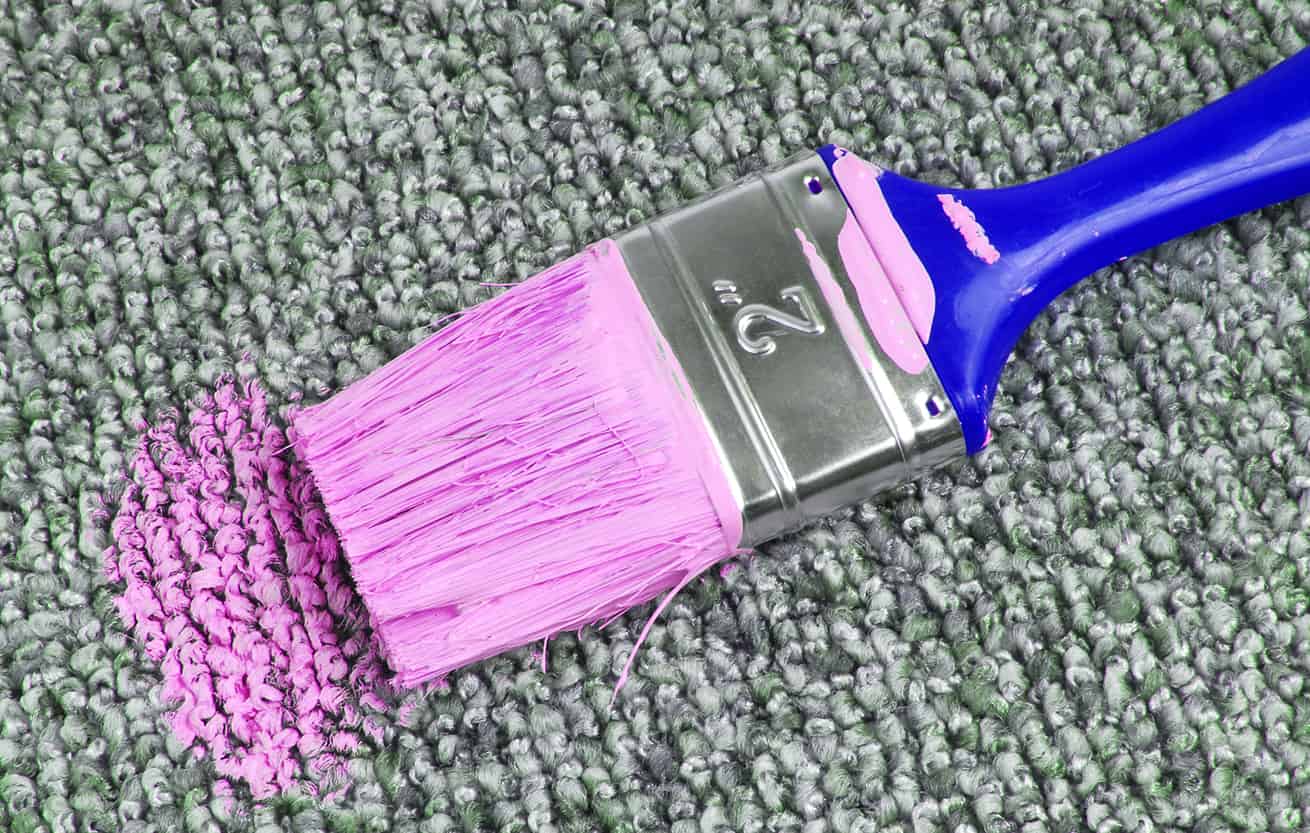
A splash of latex paint on carpet or upholstery doesn’t have to mean a permanent disaster. The key? Lacquer thinner and a clean white cloth. Apply generously to the stain, let it soften the paint for a few minutes, then blot, or carefully scrape, without spreading the mess. Stubborn, older stains might need a few rounds, but patience pays off and keeps your carpet intact.
A quick heads-up: lacquer thinner is highly flammable, so handle with care, keep it away from open flames, and dispose of cloths safely. A little caution goes a long way toward a clean, paint-free carpet.
See full post and instructions →
Stains on Aluminum Cookware
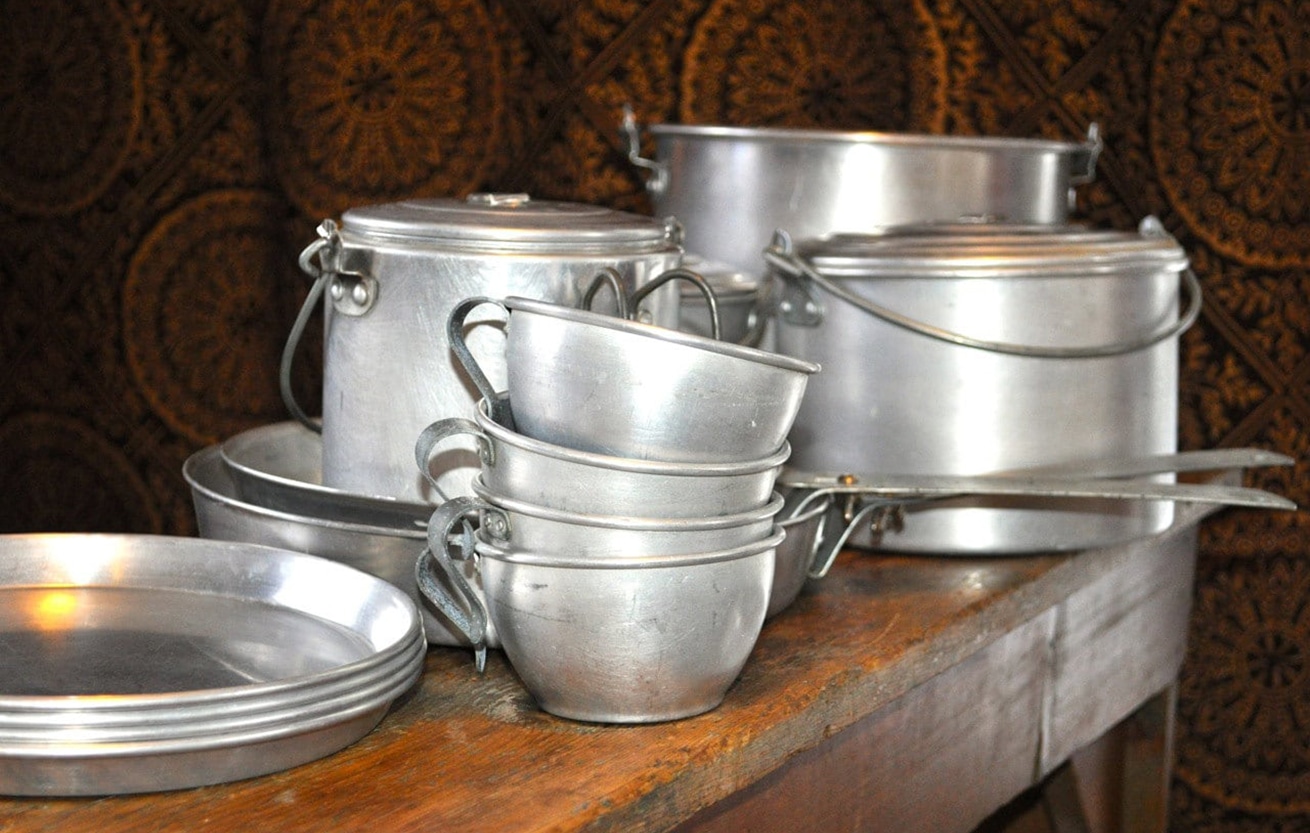
Aluminum pans are great for cooking, but leave them in the dishwasher too long and they can come out looking like a science experiment gone wrong. The good news? You don’t need harsh chemicals or a new set of pans. Try soaking in equal parts vinegar and water, scrubbing with a baking soda paste, or giving a lemon-and-salt rub a whirl. For really stubborn discoloration, simmer water with cream of tartar or reach for a trusty commercial cleaner like Bar Keepers Friend.
Once your pans are back to shiny, hand-wash with mild soap and a non-abrasive sponge to keep them looking sharp, and avoid that dreaded repeat performance.
See full post and tips →
Toilet Bowl Ring Stains
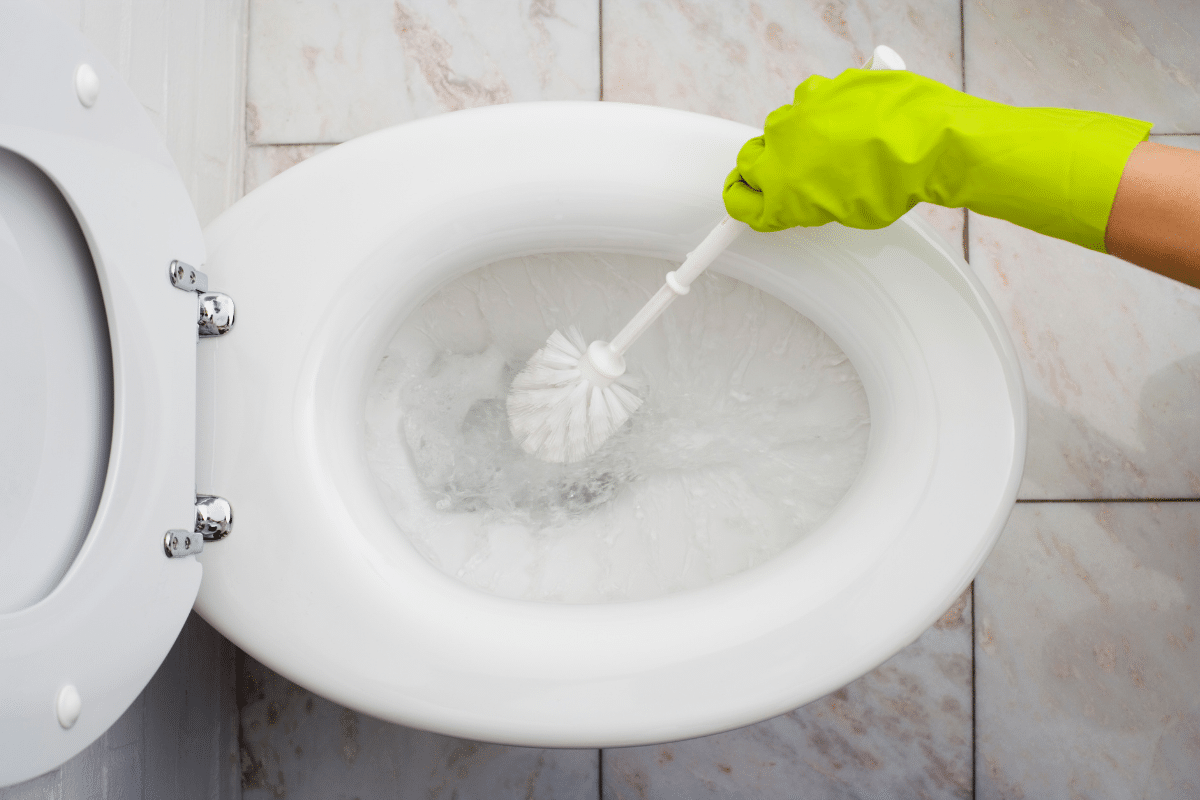
That stubborn toilet ring is usually just hard water minerals or a little bacterial buildup, but don’t worry, it’s not permanent. You don’t need harsh chemicals to tackle it. Baking soda and vinegar will fizz away most stains, borax adds extra scrubbing muscle, and even denture tablets or dishwasher pods can give your bowl a gleam. For the rings that refuse to quit, a soft pumice stone works wonders. Just be gentle to protect your porcelain.
Keeping it at bay is easier than you think: a quick weekly clean and a few smart preventative habits can keep rings from sneaking back.
See full post and tips →
Question: What’s the worst stain your home has survived, and how did you conquer it? Share in the comments below.
EverydayCheapskate™ is reader-supported. We participate in the Amazon Services LLC Associates Program and other affiliate advertising programs, designed to provide a means for us to earn from qualifying purchases, at no cost to you.

More from Everyday Cheapskate
 https://www.everydaycheapskate.com/wp-content/uploads/20260830-best-sound-machine-for-better-sleep-woman-hiding-under-comforter.png
800
1200
Mary Hunt
https://www.everydaycheapskate.com/wp-content/uploads/EC-Logo-by-Mary-Hunt-Tagline-Trimmed.png
Mary Hunt2026-09-10 09:51:452026-09-10 09:51:45Best Sound Machine for Better Sleep: 3 Honest Picks
https://www.everydaycheapskate.com/wp-content/uploads/20260830-best-sound-machine-for-better-sleep-woman-hiding-under-comforter.png
800
1200
Mary Hunt
https://www.everydaycheapskate.com/wp-content/uploads/EC-Logo-by-Mary-Hunt-Tagline-Trimmed.png
Mary Hunt2026-09-10 09:51:452026-09-10 09:51:45Best Sound Machine for Better Sleep: 3 Honest Picks https://www.everydaycheapskate.com/wp-content/uploads/20260906-best-can-openers-manual-electric-luxury.png
800
1200
Mary Hunt
https://www.everydaycheapskate.com/wp-content/uploads/EC-Logo-by-Mary-Hunt-Tagline-Trimmed.png
Mary Hunt2026-09-06 18:07:432026-09-06 18:10:39The Best Can Openers That Actually Work (And Won’t Quit on You)
https://www.everydaycheapskate.com/wp-content/uploads/20260906-best-can-openers-manual-electric-luxury.png
800
1200
Mary Hunt
https://www.everydaycheapskate.com/wp-content/uploads/EC-Logo-by-Mary-Hunt-Tagline-Trimmed.png
Mary Hunt2026-09-06 18:07:432026-09-06 18:10:39The Best Can Openers That Actually Work (And Won’t Quit on You) https://www.everydaycheapskate.com/wp-content/uploads/20260902-pumpkin-spice-latte-recipe-homemade-diy.png
800
1200
Mary Hunt
https://www.everydaycheapskate.com/wp-content/uploads/EC-Logo-by-Mary-Hunt-Tagline-Trimmed.png
Mary Hunt2026-09-02 16:16:022026-09-02 16:18:35Homemade Pumpkin Spice Latte Recipe (Cheaper, Better, Faster)
https://www.everydaycheapskate.com/wp-content/uploads/20260902-pumpkin-spice-latte-recipe-homemade-diy.png
800
1200
Mary Hunt
https://www.everydaycheapskate.com/wp-content/uploads/EC-Logo-by-Mary-Hunt-Tagline-Trimmed.png
Mary Hunt2026-09-02 16:16:022026-09-02 16:18:35Homemade Pumpkin Spice Latte Recipe (Cheaper, Better, Faster) https://www.everydaycheapskate.com/wp-content/uploads/20260831-Portrait-of-a-Pitbull-on-a-yellow-background-homemade-dog-treat-recipes.png
800
1200
Mary Hunt
https://www.everydaycheapskate.com/wp-content/uploads/EC-Logo-by-Mary-Hunt-Tagline-Trimmed.png
Mary Hunt2026-08-31 13:06:072026-08-31 13:06:073 Homemade Dog Treats Recipes Your Dog Will Love Most
https://www.everydaycheapskate.com/wp-content/uploads/20260831-Portrait-of-a-Pitbull-on-a-yellow-background-homemade-dog-treat-recipes.png
800
1200
Mary Hunt
https://www.everydaycheapskate.com/wp-content/uploads/EC-Logo-by-Mary-Hunt-Tagline-Trimmed.png
Mary Hunt2026-08-31 13:06:072026-08-31 13:06:073 Homemade Dog Treats Recipes Your Dog Will Love Most https://www.everydaycheapskate.com/wp-content/uploads/20260826-DIY-cat-litter-deodorizer-kitten-looking-up-at-camera-from-box.png
800
1200
Mary Hunt
https://www.everydaycheapskate.com/wp-content/uploads/EC-Logo-by-Mary-Hunt-Tagline-Trimmed.png
Mary Hunt2026-08-25 21:17:362026-08-25 21:17:36The One-Ingredient Litter Box Trick That Costs Pennies
https://www.everydaycheapskate.com/wp-content/uploads/20260826-DIY-cat-litter-deodorizer-kitten-looking-up-at-camera-from-box.png
800
1200
Mary Hunt
https://www.everydaycheapskate.com/wp-content/uploads/EC-Logo-by-Mary-Hunt-Tagline-Trimmed.png
Mary Hunt2026-08-25 21:17:362026-08-25 21:17:36The One-Ingredient Litter Box Trick That Costs Pennies https://www.everydaycheapskate.com/wp-content/uploads/20260824-house-rules-for-adult-children.png
800
1200
Mary Hunt
https://www.everydaycheapskate.com/wp-content/uploads/EC-Logo-by-Mary-Hunt-Tagline-Trimmed.png
Mary Hunt2026-08-24 12:21:382026-08-24 12:23:50House Rules for Adult Children Living at Home (Without Losing Your Mind or Your Garage)
https://www.everydaycheapskate.com/wp-content/uploads/20260824-house-rules-for-adult-children.png
800
1200
Mary Hunt
https://www.everydaycheapskate.com/wp-content/uploads/EC-Logo-by-Mary-Hunt-Tagline-Trimmed.png
Mary Hunt2026-08-24 12:21:382026-08-24 12:23:50House Rules for Adult Children Living at Home (Without Losing Your Mind or Your Garage) https://www.everydaycheapskate.com/wp-content/uploads/20260822-central-AC-maintenance-air-condenser-outdoors.png
800
1200
Mary Hunt
https://www.everydaycheapskate.com/wp-content/uploads/EC-Logo-by-Mary-Hunt-Tagline-Trimmed.png
Mary Hunt2026-08-22 14:19:562026-08-22 14:19:59How to Extend the Life of Your Central AC (5 Late-Summer Tune-Up Tips)
https://www.everydaycheapskate.com/wp-content/uploads/20260822-central-AC-maintenance-air-condenser-outdoors.png
800
1200
Mary Hunt
https://www.everydaycheapskate.com/wp-content/uploads/EC-Logo-by-Mary-Hunt-Tagline-Trimmed.png
Mary Hunt2026-08-22 14:19:562026-08-22 14:19:59How to Extend the Life of Your Central AC (5 Late-Summer Tune-Up Tips) https://www.everydaycheapskate.com/wp-content/uploads/20260819-dry-clean-only.png
800
1200
Mary Hunt
https://www.everydaycheapskate.com/wp-content/uploads/EC-Logo-by-Mary-Hunt-Tagline-Trimmed.png
Mary Hunt2026-08-19 23:38:122026-08-19 23:38:12The Truth About “Dry Clean Only” (And When I Actually Listen to It)
https://www.everydaycheapskate.com/wp-content/uploads/20260819-dry-clean-only.png
800
1200
Mary Hunt
https://www.everydaycheapskate.com/wp-content/uploads/EC-Logo-by-Mary-Hunt-Tagline-Trimmed.png
Mary Hunt2026-08-19 23:38:122026-08-19 23:38:12The Truth About “Dry Clean Only” (And When I Actually Listen to It) https://www.everydaycheapskate.com/wp-content/uploads/20260817-thrift-store-sign-with-blue-cloudy-sky-in-background.png
800
1200
Mary Hunt
https://www.everydaycheapskate.com/wp-content/uploads/EC-Logo-by-Mary-Hunt-Tagline-Trimmed.png
Mary Hunt2026-08-17 09:17:472026-08-17 09:17:47The Donation Box Mistakes Thrift Stores Wish We’d Skip
https://www.everydaycheapskate.com/wp-content/uploads/20260817-thrift-store-sign-with-blue-cloudy-sky-in-background.png
800
1200
Mary Hunt
https://www.everydaycheapskate.com/wp-content/uploads/EC-Logo-by-Mary-Hunt-Tagline-Trimmed.png
Mary Hunt2026-08-17 09:17:472026-08-17 09:17:47The Donation Box Mistakes Thrift Stores Wish We’d Skip

What about dried blood stains?
A fresh bottle of hydrogen peroxide. Use it straight up on the stains