

Castile Soap Cleaning Recipes for Every Room


If you’ve ever stood in the cleaning aisle squinting at labels you can’t pronounce, this post is for you. Many readers tell me they want something simpler, especially when fragrances or mystery ingredients irritate their skin or sinuses. The solution? One humble bottle of plant-based castile soap. With these castile soap cleaning recipes, you can tackle everything from all-purpose spray and laundry detergent to dish soap, floor cleaner, and even fruit and veggie wash.

From time to time, readers ask, “Is there something natural that actually works?” They don’t want trendy. They want dependable. Yes, there is. And it’s castile soap.
What is Castile Soap?
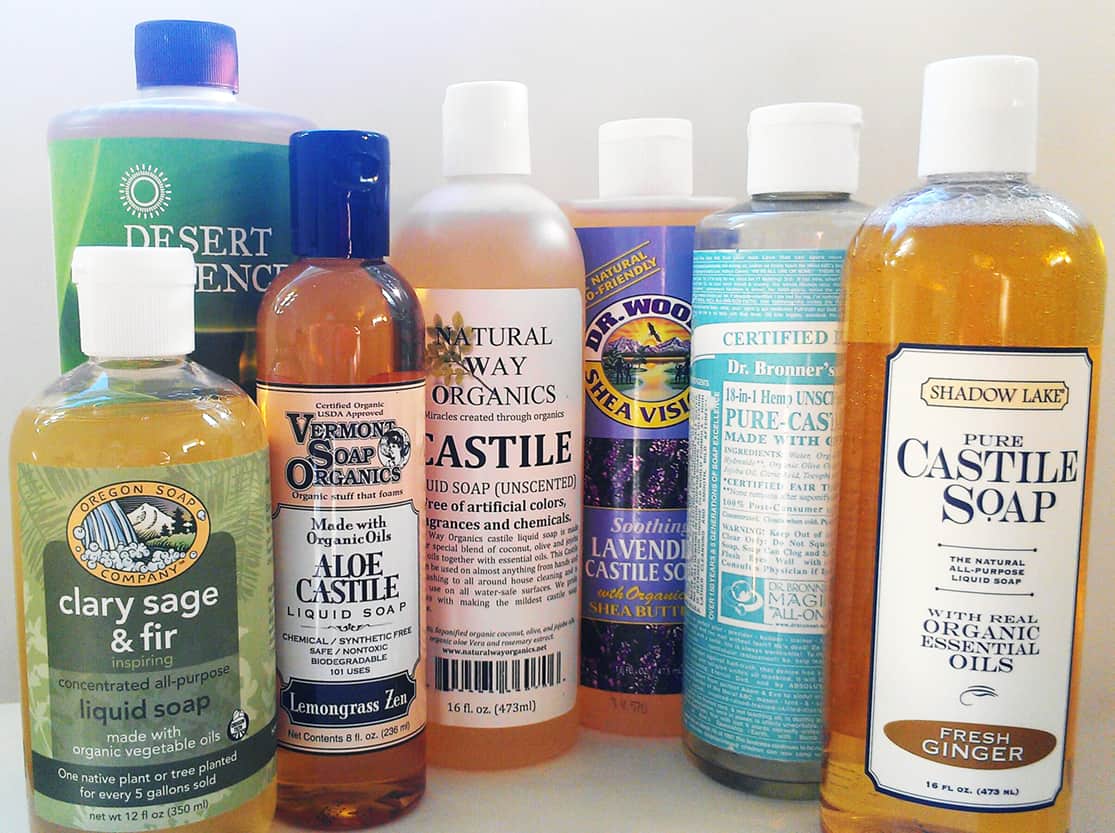
Castile soap has been around for centuries, traditionally made from olive oil and lye. Today’s liquid versions, like Dr. Bronner’s Pure-Castile Liquid Soap, often blend plant-based oils such as coconut, hemp, and jojoba for better lather and cleaning strength.
The result is a concentrated, biodegradable soap free of synthetic detergents and unnecessary additives. What you see on the label is what you get, which is exactly why so many people appreciate it.
Here’s something important to understand: bubbles are not proof of cleaning power. Soap works because it’s a surfactant. It binds to dirt and oil so water can carry them away. Suds are nice, but they’re mostly cosmetic. If you’ve ever noticed more bubbles the second time you wash something, that’s because the first round removed the grime that was suppressing the foam.
If you value knowing what’s in your products and why you’re using them, these castile soap cleaning recipes put you in control of every solution. And once you understand how it works, you can customize it for nearly every room in your home.
Jump to:
- All-Purpose Cleaning Spray
- Degreaser Cleaning Spray
- Liquid Dish Soap
- Dishwasher Detergent
- All-Natural Laundry Detergent
- Tub and Shower Soap Scum Remover
- Carpet Spot Cleaner
- Floor Cleaner
- Fruit and Vegetable Wash
All-Purpose Cleaning Spray
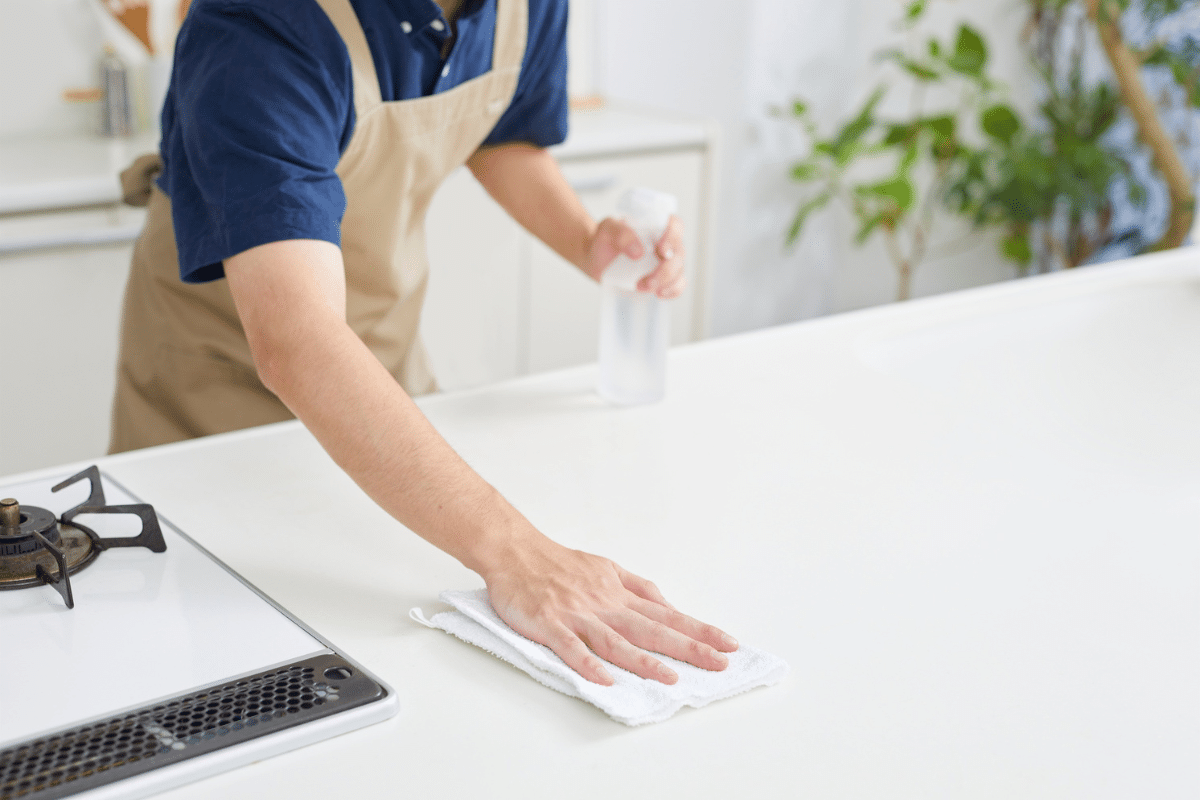
What I love most about this recipe is its simplicity. Here’s what you’ll need:
- 1/4 cup pure liquid castile soap
- 1 quart warm water
- 32-ounce spray bottle
Add the castile soap to warm water and stir gently to combine. No need to shake like you’re mixing a cocktail. Too much agitation just creates extra foam. Pour into a 32-ounce spray bottle.
That’s it. You now have an all-purpose cleaner that handles everyday messes without the synthetic fragrance cloud. It works well on granite and quartz counters, laminate surfaces, sealed tile, appliance exteriors, and painted surfaces
Spray lightly and wipe with a damp microfiber cloth for best results. If you’re cleaning something especially grimy, let it sit for a minute before wiping.
Optional: Add a few drops of lemon or orange essential oil if you enjoy a fresh citrus note.
Degreaser Cleaning Spray
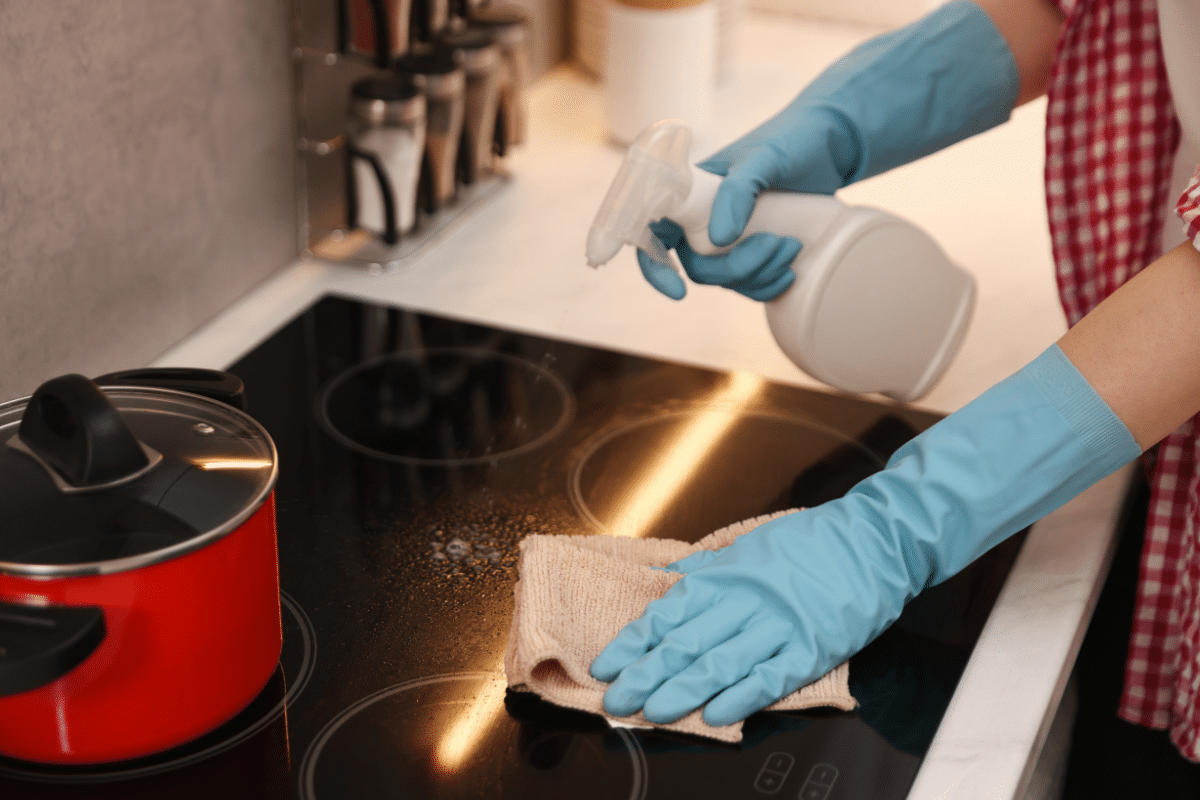
When dinner leaves behind more than memories, this is the bottle you’ll want within arm’s reach. Grease needs a little strategy. Soap lifts it. Vinegar cuts residue. Used separately and in the right order, they make a practical, no-nonsense team.
Bottle #1 (Soap Solution):
- 1/4 cup pure liquid castile soap
- Warm water to fill a 32-ounce spray bottle
Add the soap first, then top with warm water. Swirl gently to combine.
Bottle #2 (Vinegar Rinse):
- 1 cup white vinegar
- Warm water to fill a second 32-ounce spray bottle
Spray greasy surfaces with the soap solution. Let it sit for 1–2 minutes. Wipe thoroughly with a soft cloth or microfiber towel. Follow with the vinegar solution to rinse away residue. Wipe again with a clean, damp cloth.
Don’t mix soap and vinegar in the same bottle. They neutralize each other and you’ll lose cleaning power.
This works beautifully on stovetops, range hoods, backsplashes, cabinet fronts, and refrigerator exteriors. Ventilate your kitchen. Vinegar scent fades quickly, but fresh air makes it even better.
For stubborn buildup, repeat the soap step and give it a little extra dwell time before wiping.
Important: Vinegar and natural stone (like granite or marble) aren’t long-term friends. Occasional use probably won’t cause immediate harm, but repeated exposure can dull the finish and weaken the sealant. For stone surfaces, skip the vinegar rinse and simply wipe the soap away with plain water.
Liquid Dish Soap
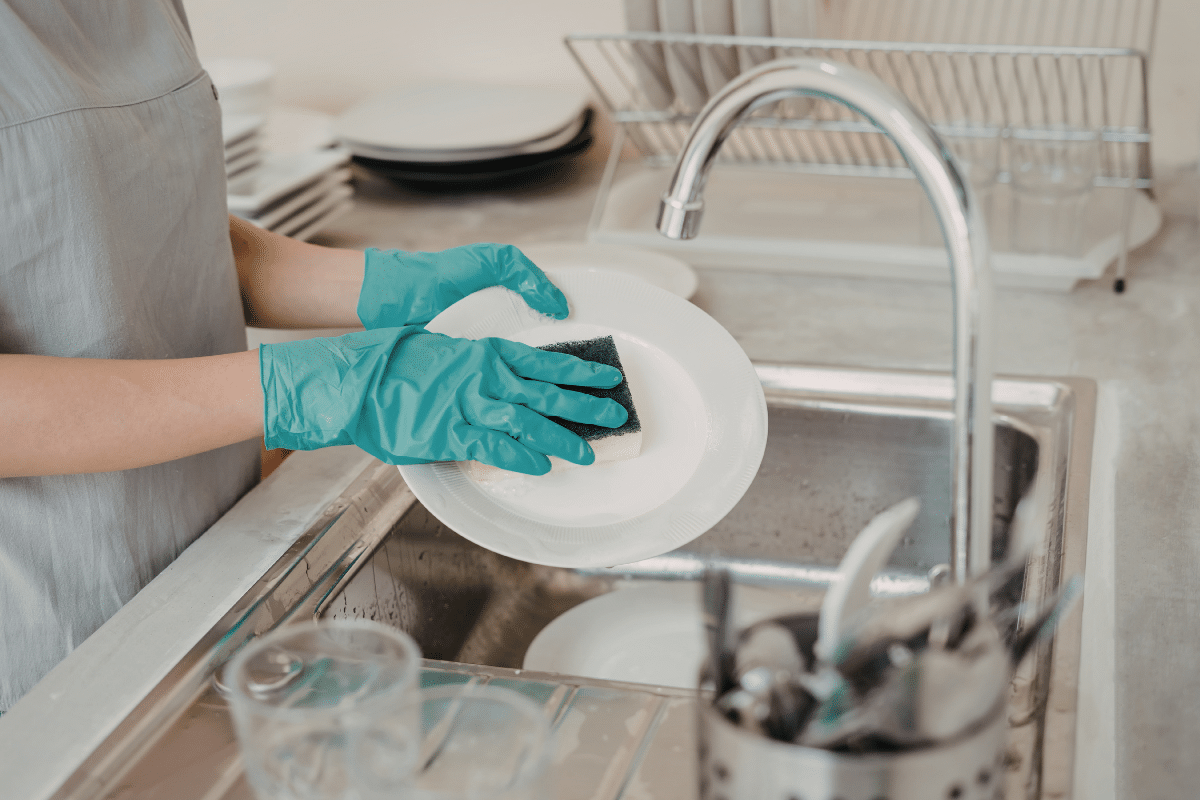
If you’ve ever washed a sink full of dishes and wondered why your hands feel like you just handled sandpaper, this is a gentler way. Castile soap makes a simple, effective dish liquid and you can mix only what you need. And once you get used to it, you may find you don’t miss the neon-colored dish soap at all.
The Basic Formula
Use a 10:1 ratio of water to pure liquid castile soap. That looks like:
- 1 tablespoon castile soap
- 10 tablespoons water
Stir gently to combine and pour into a small squeeze bottle to keep by the sink. Store your diluted mixture for up to a week or two. If it ever smells “off,” discard and mix fresh.
If you cook with a lot of heavy fats, you may prefer using full-strength castile soap for those loads.
If you prefer not to premix, you can use the ratio on the fly. Fill your dishpan with warm water and add a small squirt of castile soap directly to the basin. Swish to distribute.
This won’t create towering suds and that’s okay. Remember, bubbles are mostly cosmetic. The soap still binds to grease and lifts food residue so it can rinse away cleanly.
For everyday dishes, glasses, and flatware, this solution works beautifully.
For Stubborn Pots and Pans
If you’re facing baked-on food or a greasy skillet, apply a few drops of full-strength castile soap directly to the trouble spot. Let it sit for a few minutes. Scrub with your favorite brush or scrubber.
Optional Vinegar Dip
After washing and rinsing, you can dip dishes into a sink of warm water with a splash of white vinegar. This helps prevent spotting and leaves glassware especially clear. Let dishes air-dry or towel-dry as usual. If you have very hard water, this step can make a noticeable difference.
Dishwasher Detergent
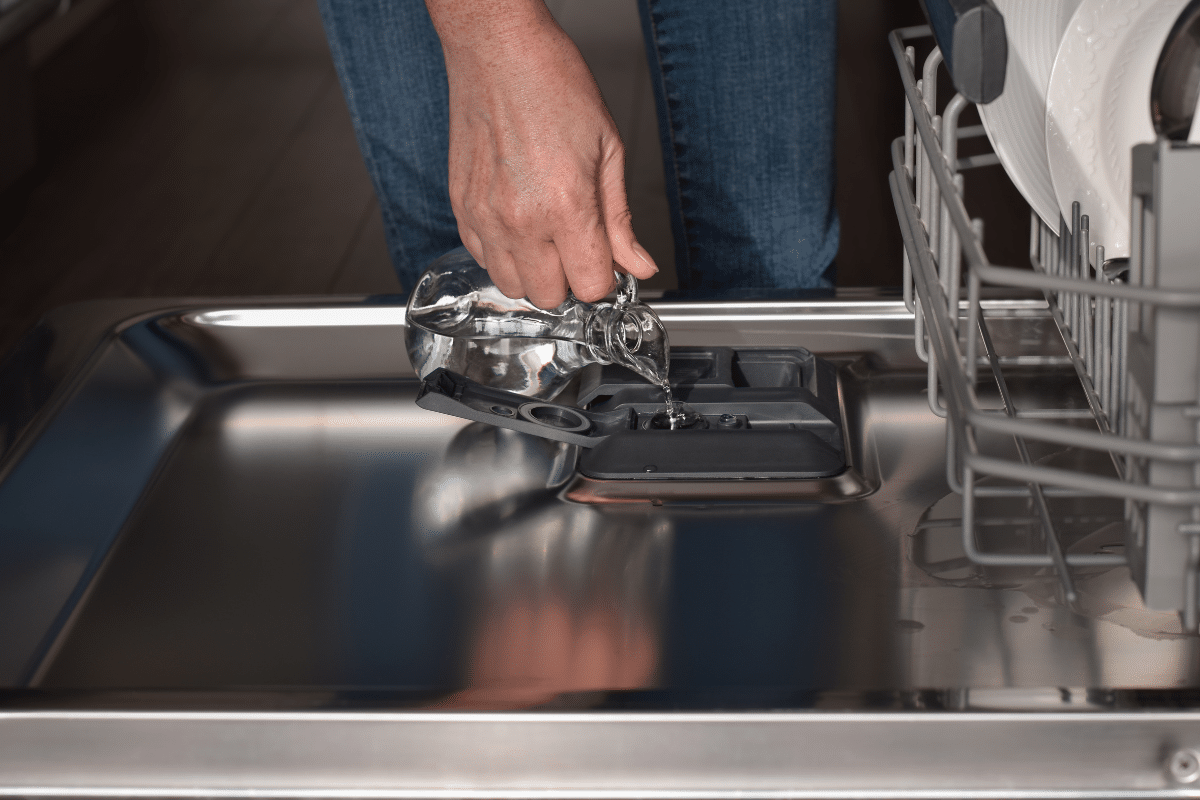
Automatic machines are picky. Water temperature, minerals, rinse cycles… it all matters. So if you’re going to try a more natural approach, you want to do it with your eyes open.
Here’s the straightforward formula:
- 1 cup pure liquid castile soap
- 1 cup warm water
- 1 tablespoon lemon or lime juice
Stir gently to combine. This recipe multiplies easily if you’d like to make a larger batch. Store in a clearly labeled jar or bottle.
Add 1 tablespoon of the mixture to your dishwasher’s detergent dispenser. Fill the rinse aid reservoir with plain white vinegar. Run your dishwasher as usual.
The lemon or lime juice helps cut grease and freshen. The vinegar in the rinse compartment reduces spotting and helps prevent residue.
If you have soft to moderately hard water, this formula can work quite well. Dishes come out clean, and you avoid synthetic fragrances and additives. If you have very hard water, you may notice cloudy glassware, mineral spots, or a slight film. That’s not a failure on your part. Automatic dishwashers rely heavily on water chemistry, and castile soap reacts with minerals. In very hard water areas, a mineral-based detergent may simply perform better.
A Few Helpful Tips
- Run hot water in your sink first so the dishwasher starts with fully hot water.
- Avoid overfilling the dispenser. More is not better.
- If buildup appears inside the machine, run an empty cycle with a bowl of vinegar on the top rack.
All-Natural Laundry Detergent
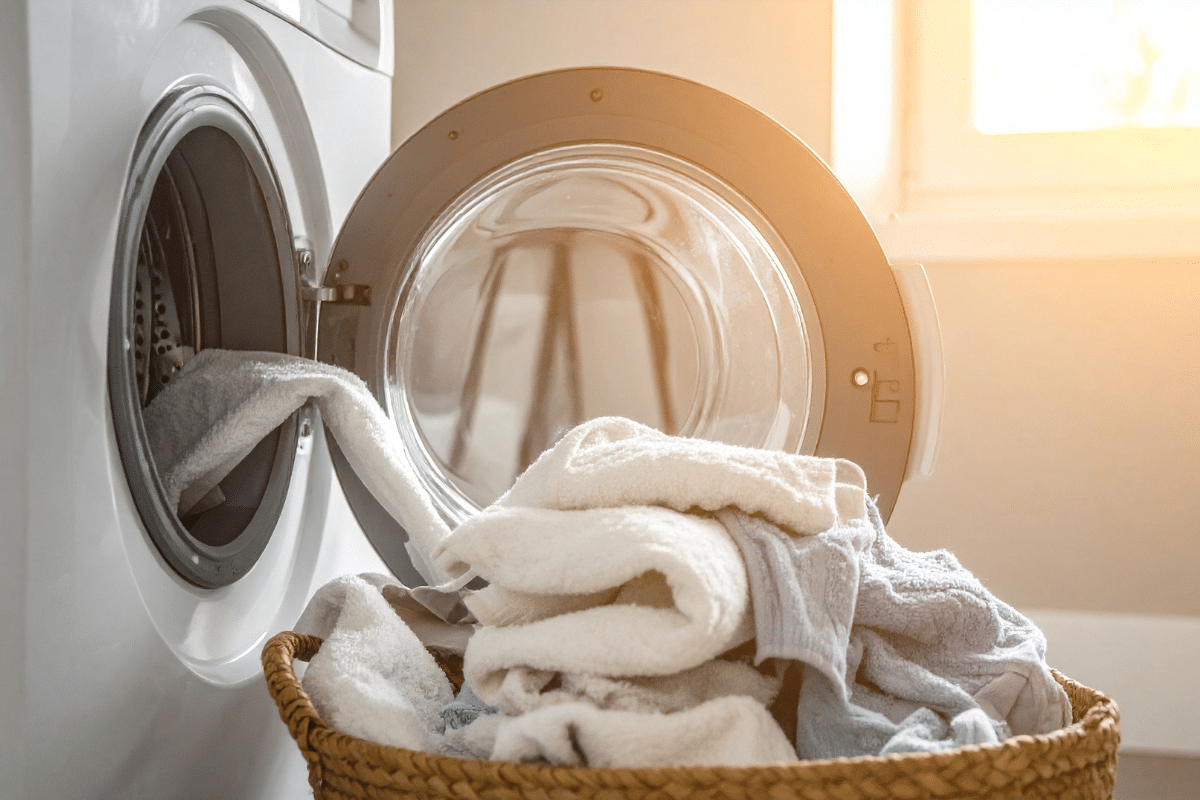
If you’re tired of the chemical soup hiding in most commercial laundry detergents, this recipe gives you a clean, simple alternative. Pure castile liquid soap is gentle on skin, avoids synthetic fragrances, and works surprisingly well when combined with a few household basics. Here’s what you’ll need:
- 1 cup pure castile liquid soap
- 3/4 cup baking soda
- 1/4 cup sea salt
- Warm water (to fill a one-gallon container)
Pour the castile soap into a one-gallon container. Add baking soda and sea salt. These boost cleaning power and help soften water. Fill the rest of the container with warm water and mix gently.
To use, add 1/4 cup of this detergent per standard load of laundry. For extra tough stains, apply a small amount of full-strength castile soap directly to the spot before washing. Avoid overloading the machine; castile soap works best with space for water to circulate. Consider adding a few drops of essential oil like lavender or lemon if you want a natural scent. Shake gently before each use if ingredients have settled.
Tub and Shower Soap Scum Remover

With this castile soap-based solution, you can tackle the grime on walls, doors, and tub floors without relying on harsh chemicals. Here’s what you’ll need:
- 1/3 cup pure castile liquid soap
- Warm water to fill a 32-ounce spray bottle
- Optional: baking soda and white vinegar for tough spots
- Soft scrub brush or sponge
Fill a 32-ounce spray bottle about one-third full with castile liquid soap. Top off with warm water and mix gently. Spray generously over tub and shower surfaces and let sit for a few hours. The soap penetrates the residue, loosening buildup without harsh chemicals.
For stubborn spots, sprinkle baking soda over the area, then spray with white vinegar. The fizzing action helps break down soap scum, mold, or mildew. Scrub gently where needed, then rinse thoroughly with warm water.
Use a microfiber cloth or soft brush to avoid scratching surfaces.
For natural stone surfaces, skip the vinegar step or use sparingly to protect sealants.
Carpet Spot Cleaner

Spots happen even on the most well-loved carpets. This simple solution combines the grease-cutting power of castile soap with the stain-lifting ability of hydrogen peroxide to tackle them quickly and safely. Here’s what you’ll need:
- Pure castile liquid soap
- Hydrogen peroxide (3%)
- Spray bottle
- Clean white cloth or soft brush
Mix castile liquid soap and hydrogen peroxide in a 50/50 ratio in a spray bottle. Spray the solution directly onto the spot as soon as it occurs. The sooner you treat it, the easier it is to lift. Gently scrub with a clean white cloth or soft brush, then blot to remove the stain and excess moisture. Repeat if needed, working from the outside in to avoid spreading the stain.
A Few Helpful Tips
- Make only what you need. Hydrogen peroxide loses its strength once exposed to air and light.
- Be sure to test on an inconspicuous area first, especially with colored carpets, to make sure the combination won’t bleach the fabric.
Floor Cleaner
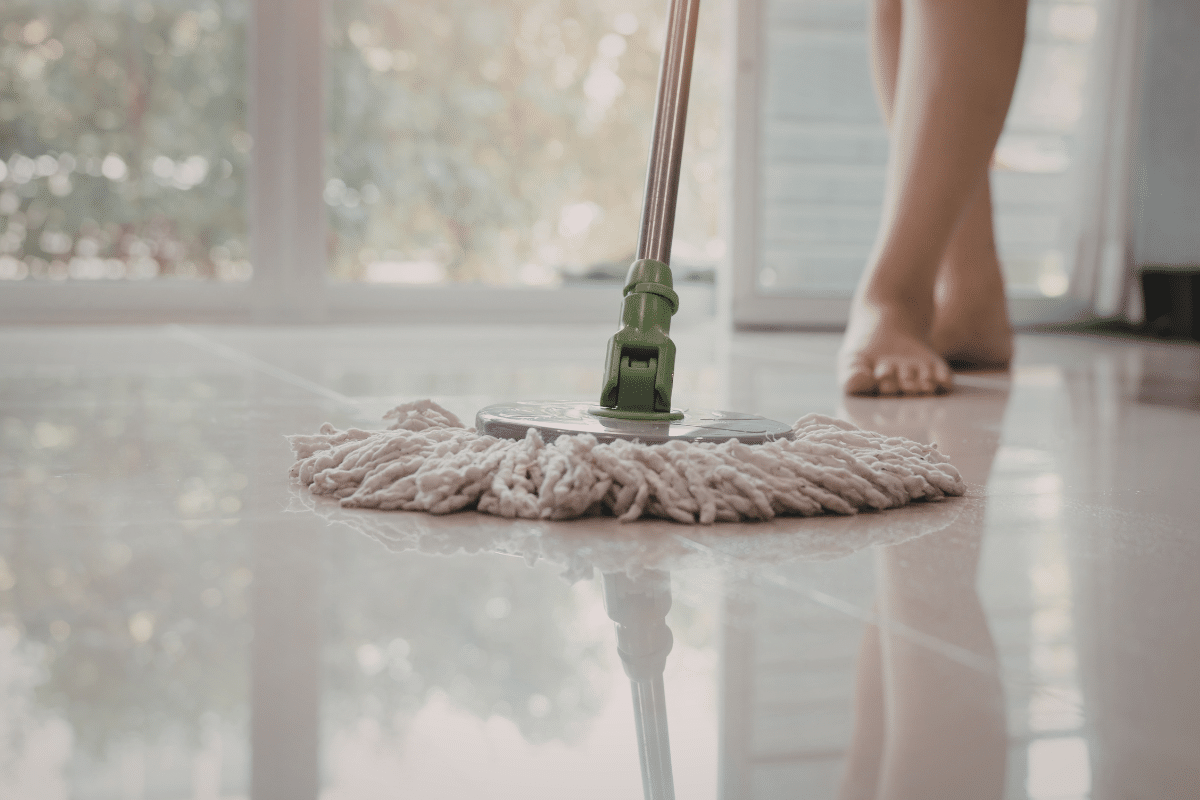
This simple, all-natural formula cuts through dust and dirt without harsh chemicals, leaving tile, wood, or vinyl floors sparkling and streak-free. Here’s what you’ll need:
- 3/4 cup pure castile liquid soap
- 3 gallons warm water
- Mop (preferably microfiber or sponge)
- Bucket
Mix 3/4 cup castile soap into 3 gallons of warm water in a bucket. Dip your mop, then wring it out well. Too much water can damage wood and leave streaks. Mop the floor in sections, scrubbing gently to lift dirt and grime. Wring and repeat as needed, making sure to pick up excess moisture quickly. Allow floors to dry completely before walking on them to enjoy a clean, streak-free finish.
A Few Helpful Tips
- For extra shine on wood or vinyl, finish with a dry microfiber cloth to buff the surface.
- If your floors are heavily soiled, do a first pass with plain warm water to loosen dirt, then follow with the soap solution.
- Always work in small sections to keep control over moisture and prevent slippery spots.
Fruit and Vegetable Wash
A tiny bit of pure castile liquid soap goes a long way in removing dirt, dust, and residues from fresh fruits and vegetables. Here’s what you’ll need:
- 1/4 teaspoon pure castile liquid soap
- 1 bowl of cool water
- Colander or clean towel for rinsing
Add 1/4 teaspoon castile soap to a bowl of cool water and mix gently. Submerge your fruits or vegetables and swish them around to loosen any dirt or residue. Rinse thoroughly under running water to remove the soap. Pat dry with a clean towel or let air-dry before storing or eating.
A Few Helpful Tips
- Use this method right before eating or cooking to keep produce fresh longer.
- For delicate berries, let them soak only a few seconds and rinse gently to avoid bruising.
- This natural wash is safe for leafy greens, herbs, and even those hard-to-clean vegetables like broccoli.
When Castile Soap Isn’t the Right Choice
Castile soap is versatile, but it isn’t a miracle in a bottle.
If you have very hard water, you may notice a faint film on sinks, glassware, or laundry. That’s not failure. It’s simply soap reacting with minerals in the water. A small amount of washing soda can help soften the water for laundry, and a vinegar rinse can reduce residue on dishes and surfaces.
For extremely greasy cookware, you may need a slightly stronger dilution or a bit more scrubbing. Castile soap is gentle by design. That’s part of its appeal. It cleans effectively without stripping everything in its path, including your hands.
My Favorite Castile Soap Brands
Olive-oil based castile soap has been around for centuries, and it’s enjoying a well-deserved revival in homes today. One of the most recognized names, Dr. Bronner’s Pure-Castile Liquid Soap, has been making naturally clean, versatile soap since 1858. Unscented, scented, or lightly fragranced, it’s easy to find online or in grocery, health food, and discount stores.
That said, you don’t have to stick with just one brand. There are plenty of high-quality options that work beautifully for cleaning, laundry, or personal care. Brands like Seven Minerals, Quinns, and WholeNaturals give you a range of unscented or lightly scented choices so you can pick what fits your household and your preferences.
Whether you’re trying these castile soap cleaning recipes for dishwasher detergent, fruit and veggie wash, or a simple all-purpose cleaner, having a high-quality castile soap makes all the difference.


Question: If you had to replace all your cleaners with just one product, could you do it? What would be the hardest one to give up?
EverydayCheapskate™ is reader-supported. We participate in the Amazon Services LLC Associates Program and other affiliate advertising programs, designed to provide a means for us to earn from qualifying purchases, at no cost to you.

More from Everyday Cheapskate
 https://www.everydaycheapskate.com/wp-content/uploads/20261017-Woman-opening-refrigerator-stocked-with-fresh-food-and-condiments.png
800
1200
Mary Hunt
https://www.everydaycheapskate.com/wp-content/uploads/EC-Logo-by-Mary-Hunt-Tagline-Trimmed.png
Mary Hunt2026-10-17 12:16:242026-10-17 12:16:24What Temperature Should a Refrigerator and Freezer Be?
https://www.everydaycheapskate.com/wp-content/uploads/20261017-Woman-opening-refrigerator-stocked-with-fresh-food-and-condiments.png
800
1200
Mary Hunt
https://www.everydaycheapskate.com/wp-content/uploads/EC-Logo-by-Mary-Hunt-Tagline-Trimmed.png
Mary Hunt2026-10-17 12:16:242026-10-17 12:16:24What Temperature Should a Refrigerator and Freezer Be? https://www.everydaycheapskate.com/wp-content/uploads/20261015-Sweet-pepper-and-onion-relish-in-a-white-bowl-with-crackers-and-fresh-red-bell-peppers.png
800
1200
Mary Hunt
https://www.everydaycheapskate.com/wp-content/uploads/EC-Logo-by-Mary-Hunt-Tagline-Trimmed.png
Mary Hunt2026-10-15 13:14:022026-10-15 13:14:02Sweet Pepper Onion Relish (Perfect Over Cream Cheese)
https://www.everydaycheapskate.com/wp-content/uploads/20261015-Sweet-pepper-and-onion-relish-in-a-white-bowl-with-crackers-and-fresh-red-bell-peppers.png
800
1200
Mary Hunt
https://www.everydaycheapskate.com/wp-content/uploads/EC-Logo-by-Mary-Hunt-Tagline-Trimmed.png
Mary Hunt2026-10-15 13:14:022026-10-15 13:14:02Sweet Pepper Onion Relish (Perfect Over Cream Cheese) https://www.everydaycheapskate.com/wp-content/uploads/20261012-Woman-using-smartphone-while-checking-monthly-cellular-data-usage-on-laptop.png
800
1200
Mary Hunt
https://www.everydaycheapskate.com/wp-content/uploads/EC-Logo-by-Mary-Hunt-Tagline-Trimmed.png
Mary Hunt2026-10-12 10:51:112026-10-12 10:51:11Do You Really Need Unlimited Data? Check Before You Pay
https://www.everydaycheapskate.com/wp-content/uploads/20261012-Woman-using-smartphone-while-checking-monthly-cellular-data-usage-on-laptop.png
800
1200
Mary Hunt
https://www.everydaycheapskate.com/wp-content/uploads/EC-Logo-by-Mary-Hunt-Tagline-Trimmed.png
Mary Hunt2026-10-12 10:51:112026-10-12 10:51:11Do You Really Need Unlimited Data? Check Before You Pay https://www.everydaycheapskate.com/wp-content/uploads/20261011-Woman-Adjusting-Smart-Home-Device-on-the-Wall-how-to-lower-your-electric-bill.png
800
1200
Mary Hunt
https://www.everydaycheapskate.com/wp-content/uploads/EC-Logo-by-Mary-Hunt-Tagline-Trimmed.png
Mary Hunt2026-10-11 23:01:562026-10-11 23:01:56Stop Chasing Pennies on Your Electric Bill. Do This
https://www.everydaycheapskate.com/wp-content/uploads/20261011-Woman-Adjusting-Smart-Home-Device-on-the-Wall-how-to-lower-your-electric-bill.png
800
1200
Mary Hunt
https://www.everydaycheapskate.com/wp-content/uploads/EC-Logo-by-Mary-Hunt-Tagline-Trimmed.png
Mary Hunt2026-10-11 23:01:562026-10-11 23:01:56Stop Chasing Pennies on Your Electric Bill. Do This https://www.everydaycheapskate.com/wp-content/uploads/20261007-red-present-sitting-in-autumn-leaves-Amazon-Prime-Big-Deal-Days-gifts.png
800
1200
Mary Hunt
https://www.everydaycheapskate.com/wp-content/uploads/EC-Logo-by-Mary-Hunt-Tagline-Trimmed.png
Mary Hunt2026-10-06 23:09:432026-10-06 23:09:43Christmas Shopping in October? These Prime Day Gifts Make Sense
https://www.everydaycheapskate.com/wp-content/uploads/20261007-red-present-sitting-in-autumn-leaves-Amazon-Prime-Big-Deal-Days-gifts.png
800
1200
Mary Hunt
https://www.everydaycheapskate.com/wp-content/uploads/EC-Logo-by-Mary-Hunt-Tagline-Trimmed.png
Mary Hunt2026-10-06 23:09:432026-10-06 23:09:43Christmas Shopping in October? These Prime Day Gifts Make Sense https://www.everydaycheapskate.com/wp-content/uploads/20261006-prime-big-deal-days-have-landed.png
800
1200
Mary Hunt
https://www.everydaycheapskate.com/wp-content/uploads/EC-Logo-by-Mary-Hunt-Tagline-Trimmed.png
Mary Hunt2026-10-05 11:01:432026-10-07 09:02:53EC’s Top Picks from Amazon Prime Big Deal Days 2026
https://www.everydaycheapskate.com/wp-content/uploads/20261006-prime-big-deal-days-have-landed.png
800
1200
Mary Hunt
https://www.everydaycheapskate.com/wp-content/uploads/EC-Logo-by-Mary-Hunt-Tagline-Trimmed.png
Mary Hunt2026-10-05 11:01:432026-10-07 09:02:53EC’s Top Picks from Amazon Prime Big Deal Days 2026 https://www.everydaycheapskate.com/wp-content/uploads/20261004-reduce-healthcare-costs-with-three-habits-healthy-couple-walking-in-autumn-leaves.png
800
1200
Mary Hunt
https://www.everydaycheapskate.com/wp-content/uploads/EC-Logo-by-Mary-Hunt-Tagline-Trimmed.png
Mary Hunt2026-10-04 23:08:572026-10-04 23:09:47How to Reduce Healthcare Costs With 3 Free Daily Habits
https://www.everydaycheapskate.com/wp-content/uploads/20261004-reduce-healthcare-costs-with-three-habits-healthy-couple-walking-in-autumn-leaves.png
800
1200
Mary Hunt
https://www.everydaycheapskate.com/wp-content/uploads/EC-Logo-by-Mary-Hunt-Tagline-Trimmed.png
Mary Hunt2026-10-04 23:08:572026-10-04 23:09:47How to Reduce Healthcare Costs With 3 Free Daily Habits https://www.everydaycheapskate.com/wp-content/uploads/20241004-news-you-can-use-october-everyday-cheapskate-top-news-articles.png
800
1200
Mary Hunt
https://www.everydaycheapskate.com/wp-content/uploads/EC-Logo-by-Mary-Hunt-Tagline-Trimmed.png
Mary Hunt2026-10-04 01:04:052026-10-19 09:46:10News You Can Use • October 2026
https://www.everydaycheapskate.com/wp-content/uploads/20241004-news-you-can-use-october-everyday-cheapskate-top-news-articles.png
800
1200
Mary Hunt
https://www.everydaycheapskate.com/wp-content/uploads/EC-Logo-by-Mary-Hunt-Tagline-Trimmed.png
Mary Hunt2026-10-04 01:04:052026-10-19 09:46:10News You Can Use • October 2026 https://www.everydaycheapskate.com/wp-content/uploads/20261003-woman-hugging-elderly-mother-sandwich-generation-caring-for-aging-parents.png
800
1200
Mary Hunt
https://www.everydaycheapskate.com/wp-content/uploads/EC-Logo-by-Mary-Hunt-Tagline-Trimmed.png
Mary Hunt2026-10-03 10:47:222026-10-03 10:47:25Sandwiched Between Aging Parents and Adult Children
https://www.everydaycheapskate.com/wp-content/uploads/20261003-woman-hugging-elderly-mother-sandwich-generation-caring-for-aging-parents.png
800
1200
Mary Hunt
https://www.everydaycheapskate.com/wp-content/uploads/EC-Logo-by-Mary-Hunt-Tagline-Trimmed.png
Mary Hunt2026-10-03 10:47:222026-10-03 10:47:25Sandwiched Between Aging Parents and Adult ChildrenPlease keep your comments positive, encouraging, helpful, brief,
and on-topic in keeping with EC Commenting Guidelines
Last update on 2026-10-23 / Affiliate links / Images from Amazon Product Advertising API


Funny you bring this subject up as we’ve been discussing ways to use Castile soap so thanks! Since we’re on a tight budget we hunt for good deals. My husband found that Trader Joe’s now has their own brand Castile soap. His analysis showed that it is much cheaper by the ounce than Bronners. Just another alternative 🙂
Mary,
I was delighted when I saw the subject of this post – another way to use a product I already have to make homemade cleaners / remedies.
Since I have a wonderful pup, but not wonderful in every way, who has tinkled on a brand new off-white rug, I made the carpet spot cleaner. I sprayed it liberally on the rather large spot. I seems to have removed the stain, but I am not certain since there is still quite a bit of soap on the carpet.
Any recommendations for getting this out? And should I be “less liberal” when I use it again?
As always your devoted reader,
Hope
You need to rinse, rinse! If you don’t have a wet-dry vac can you borrow one? If not, use clean dry bath towels to blot up the liquid until no detectable soap is visible. Yes you may have gotten a little too agressive!
dr bronner’s tea tree castile has become my go-to for several reasons. dermatologist recommended it for eczema on scalp. it seems to quell the itching. and, it rinses out so quickly that it saves water. i mentioned that to my cosmetologist and now she uses a dr. bronner’s unscented castile on all her clientele – just hides the label. i think anyone living in an area where water conservation is an issue should consider this product. i haven’t measured exact gallons, but it must save several gallons per shampoo. and it’s not too drying.
I have always hated the smell of Blue Dawn. Three years ago I got Covid and temporarily lost my sense of smell and taste. When I recovered, I found that Blue Dawn had an irresistibly wonderful fragrance! Crazy, huh?
Best story I’ve heard all day!
For HE machines would you halve the liquid laundry Castile soap recipe? Thanks
No, I wouldn’t make any adjustment. Castile soap is not heavily “sudsy” so perfect for HE machines.
Thanks, Mary. I will be making this soon. Do you have a preference for fine or course sea salt? Thanks
I don’t. Either will work well.
Foaming soap – 1 part Bronners to 2 parts or more of water add drops of essential oil and then put in foaming soap dispenser. Doesn’t dry your hands out 🙂
I use old mustard bottles to store solutions with peroxide in them. Then I can make them ahead. They can last a good long time.
I have heard one report of this soap collecting in plumbing pipes. Do you have any information regarding this issue? Thanks for all of your wonderful tips and information.
I have been using the Dawn power wash for about siz months. I also had developed a really red, swollen throat that seemed worse after using the power wash. It took about three days of not using the product for the constant feeling of swelling to go down. The redness in throat is subsiding too. As much as I like the power wash, I will no longer use this product.
I made the dish soap and it is slick feeling and leaves plastic bowls slick as well. Otherwise it cleans really well and my glasses sparkle
Hi Mary! I use Dr. Bronner’s Sal Suds for laundry, dishes, cars, and even vegetable washing! I use Castile soaps for all my other cleaning. The Dr Bronner’s website provides dilution ‘cheat sheets’ for both types of soap. I have them taped on the inside of my cabinet door in kitchen and laundry room. They really are the most versatile cleaners out there – and good for the environment. Links to dilution cheat sheets – check them out to see what you can use them for! (Hint-EVERYTHING!)