

Understanding Shampoo: Choosing Quality on a Budget

Let’s talk shampoo. Not the $38 “miracle in a bottle” kind. The humble, $5-on-sale kind. For years, we’ve been told that more foam, more fragrance, and a higher price tag equal better hair. The truth? Most shampoos are mostly water, plus detergent. That’s it. Before you spend another dime on shampoo, there’s something you should know, plus a few of the best inexpensive shampoo options that actually get the job done.

Come on… ‘fess up. You feel a little guilty tossing that $5 bottle into your cart. Surely it can’t be good for your hair. And the $38 salon version must be better, especially for color-treated, highlighted, permed, straightened, lived-through-the-’80s hair.
That’s what we’ve been told.
Shampoo’s primary job is to cleanse. That’s it. It’s not rebuilding bonds. It’s not permanently repairing split ends. It’s not transforming your hair structure. It’s detergent designed to remove oil, dirt, and product buildup. The real difference usually comes down to formulation, frequency of washing, and what you do after you rinse.
Before you hand over another $38, let’s look at what’s really in that bottle.
Why Price Doesn’t Determine the Best Inexpensive Shampoo
Let’s just say it plainly: price has very little to do with performance.
Some of the best-performing shampoos today sit in the $6–$8 range at the drugstore. Meanwhile, the $38 “salon exclusive” bottle? It’s still mostly water and detergent.
The higher price usually reflects branding, fragrance, packaging, and marketing, not dramatically better cleansing power. Shampoo’s job is simple: clean the scalp and remove buildup. Once it rinses away, it’s gone.
If you’re going to spend more anywhere, spend it on conditioner. Shampoo goes down the drain. Conditioner stays on your hair long enough to make a visible difference.
What’s Really in Your Shampoo Bottle
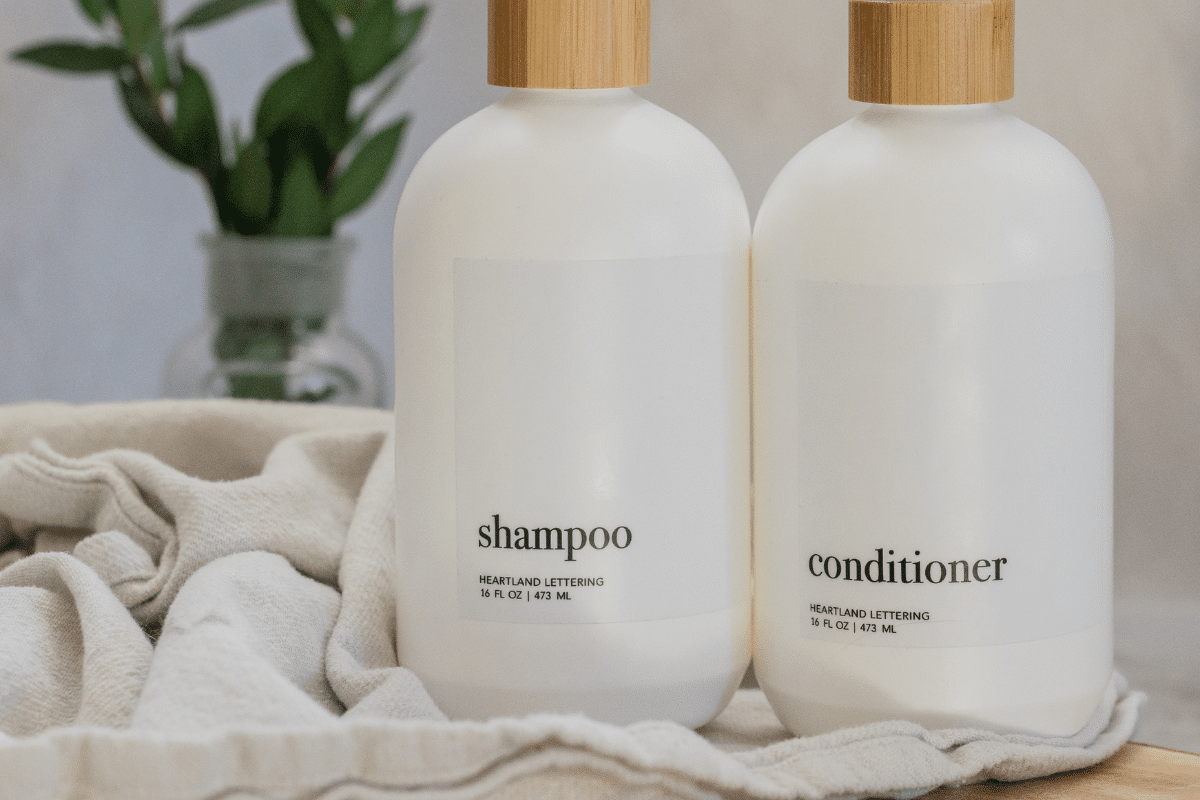
Turn the bottle around. Ignore the promises on the front. Read the ingredient list.
Every shampoo is about 80–90% water. (If you see “agua” or “eau,” that’s just water in Spanish and French.) After water comes detergent, the ingredient that actually does the cleaning.
The rest? A little fragrance. Preservatives. Maybe a thickener so it feels luxurious when you squeeze it out.
And here’s something most shoppers don’t realize: the only part of that label regulated by the FDA is the ingredient list. The marketing claims on the front? Manufacturers have a lot of freedom there.
That doesn’t mean every claim is false. It just means the front of the bottle is advertising. The back is information.
Sulfates: Villain or Just Strong Soap?
You’ve probably seen it: “Sulfate-Free!” splashed across bottles like a warning label. So let’s clear the air.
Sulfates are cleansing agents. Sodium Lauryl Sulfate (SLS) and Sodium Laureth Sulfate (SLES) are the most common. They’re responsible for that rich lather and that squeaky-clean feeling.
Are they dangerous? No. Can they be too strong for some people? Yes.
SLS is the more aggressive cleanser. SLES is milder and commonly used in everyday shampoos. For people with oily scalps or heavy product use, sulfates can actually be helpful because they clean thoroughly.
For many people, SLES offers a good balance, strong enough to clean, mild enough for regular use. But if you have very dry hair, sensitive skin, eczema, rosacea, or freshly colored hair, a gentler formula may feel better.
You may also hear that sulfates are “terrible for the environment.” That concern usually stems from industrial sulfur emissions and air pollution, which are a separate issue from the diluted surfactants used in personal care products. In rinse-off formulas like shampoo, sulfates are biodegradable and heavily diluted by the time they enter wastewater systems. That doesn’t mean environmental impact is zero, but it’s far more nuanced than the label suggests.
Here’s the part no one says loudly: sulfate-free does not automatically mean gentler. Many sulfate-free shampoos use alternative detergents that cleanse just as aggressively.
The real issue isn’t “sulfates or no sulfates.” It’s matching the strength of the cleanser to your scalp.
The Truth About Salon Brands and Store Brands
The global luxury haircare market is projected to surpass $27 billion. That’s not because everyone suddenly has dramatically different hair. It’s because premium branding, influencer marketing, and “clean beauty” positioning are powerful. The industry is growing fast, but your scalp hasn’t changed.
Salon brands often foam more, smell stronger, and come with more dramatic claims. But when it comes to cleansing? They still rely on detergent. More lather doesn’t equal more clean.
Store brands can perform just as well because the basic formula, water plus detergent, doesn’t change much across price points. You’re often paying for positioning, not performance.
Does Shampoo Build Up on Hair?
Short answer: shampoo itself does not build up on your hair.
What does build up? Conditioners, styling products, dry shampoo, hair spray, and residue from chemical treatments. If your hair feels heavy or dull, you may just need a stronger cleanse occasionally.
Here’s a simple fix: Once a month, mix a small amount of baking soda into the shampoo in your palm. Shampoo as usual and rinse thoroughly. That’s usually enough to cut through product residue. No special “clarifying” product required.
How to Remove Product Build-Up for Pennies
If your hair feels coated or lifeless:
- Option 1: Add a pinch of baking soda to your shampoo once a month.
- Option 2: During your final rinse, pour ½ cup of white vinegar through your hair and rinse well.
Vinegar helps remove residue and can leave hair feeling sleeker and lighter. And it costs pennies.
Can Shampoo Repair Damaged Hair?
Hair is not living tissue. It cannot be permanently repaired.
Shampoo cannot rebuild bonds or fix split ends. What it can do is clean gently and avoid causing additional damage.
Some products temporarily improve the way hair looks and feels (i.e., smoother, shinier, softer.) But that’s cosmetic, not structural repair.
That’s not bad news. It just means we shouldn’t expect miracles from a product designed to be rinsed away after 60 seconds.
Smart Shampoo Shopping: Read Labels, Not Hype
When purchasing shampoo, consider just two things:
- Price
- Type of detergent
Ignore buzzwords. Ignore the dramatic before-and-after photos. Focus on what actually matters: the ingredient list.
If you clip coupons and match them with store sales, you can often stock up for $4–$6 a bottle. There’s something satisfying about paying less and knowing you didn’t sacrifice performance.
How to Make Your Shampoo Last Twice as Long
You’ve seen it on every bottle: “Rinse and repeat.” That instruction dates back to a marketing campaign designed to increase usage. And it worked.
Most of the time, you don’t need to repeat. Instead:
- Use a small amount.
- Focus on your scalp, not the ends.
- Rinse thoroughly.
If your hair feels dull, the problem is often inadequate rinsing, not inferior shampoo.
Skip the automatic repeat and you’ll stretch every bottle twice as far. That adds up over a year.
Our Picks for Best Inexpensive Shampoo
In this series, I don’t chase trends. I test products at home, read ingredient lists, compare prices, and ask one simple question: Does this perform well for the money?
The goal isn’t the cheapest bottle on the shelf. It’s value. First, shop for value. Next, look for quality. And finally, pay only for the features you actually need.
These three earned their spot for different reasons.
- Best Inexpensive: CeraVe Gentle Hydrating Shampoo
- Best Upgrade: California Naturals Coconut Shampoo
- Best Budget (My Daily Shampoo): Dove Intensive Repair Shampoo


Best Inexpensive Shampoo
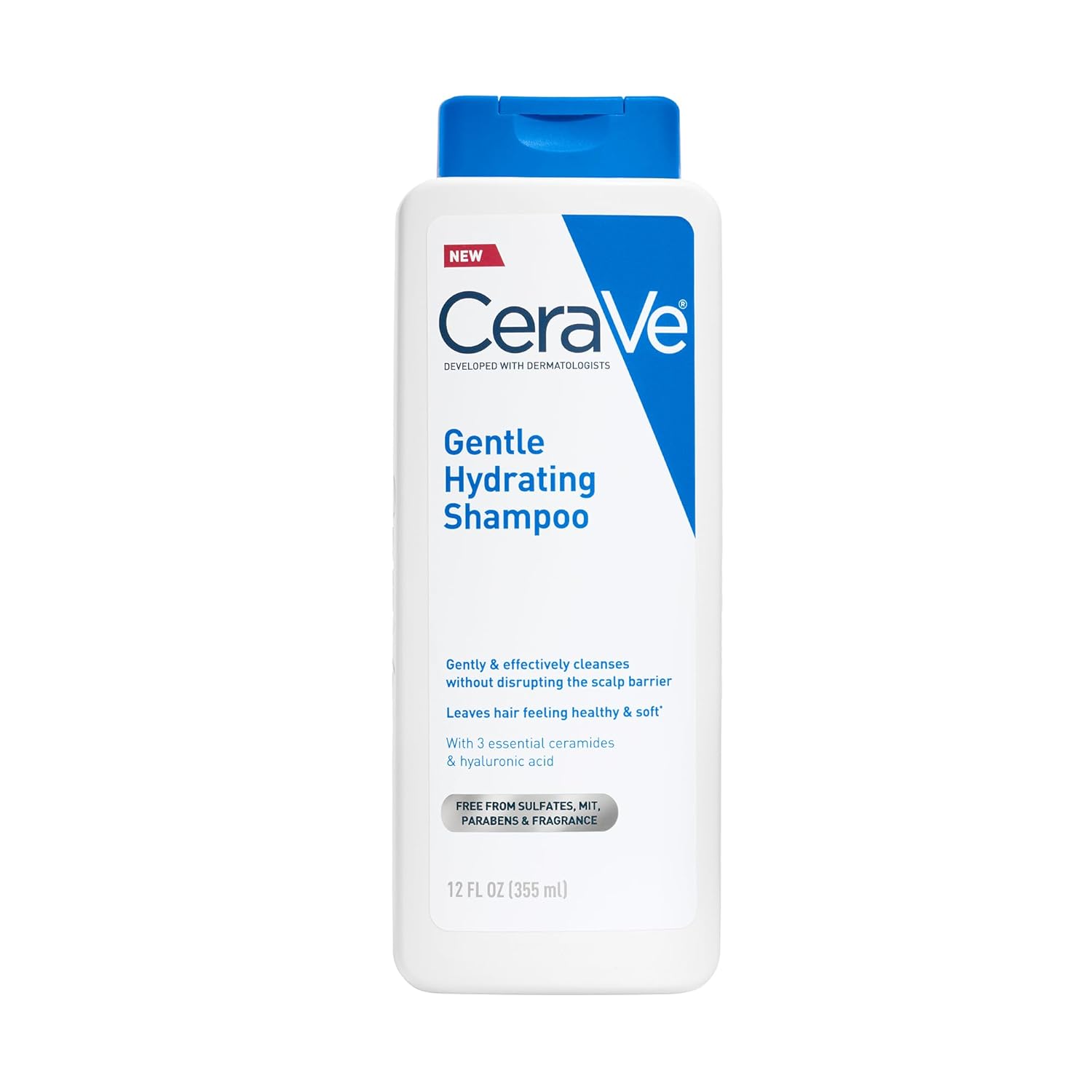
CeraVe Gentle Hydrating Shampoo
If your scalp runs sensitive, this is a very solid everyday choice. Why it made the list:
- Fragrance-free and dye-free (rare at this price point)
- Uses milder surfactants alongside a stronger cleanser for balance
- Includes ceramides, niacinamide, and hyaluronic acid… ingredients that support the scalp barrier
- Often priced in the drugstore range, not salon range
Let’s be clear: the ceramides aren’t “rebuilding” your hair. This is still a cleanser. But the overall formulation is thoughtful. It cleans without feeling harsh, and for many people with dryness, irritation, or color-treated hair, that matters more than foam level or scent.
If you want gentle without paying boutique prices, this is a strong contender.
Best Upgrade Shampoo
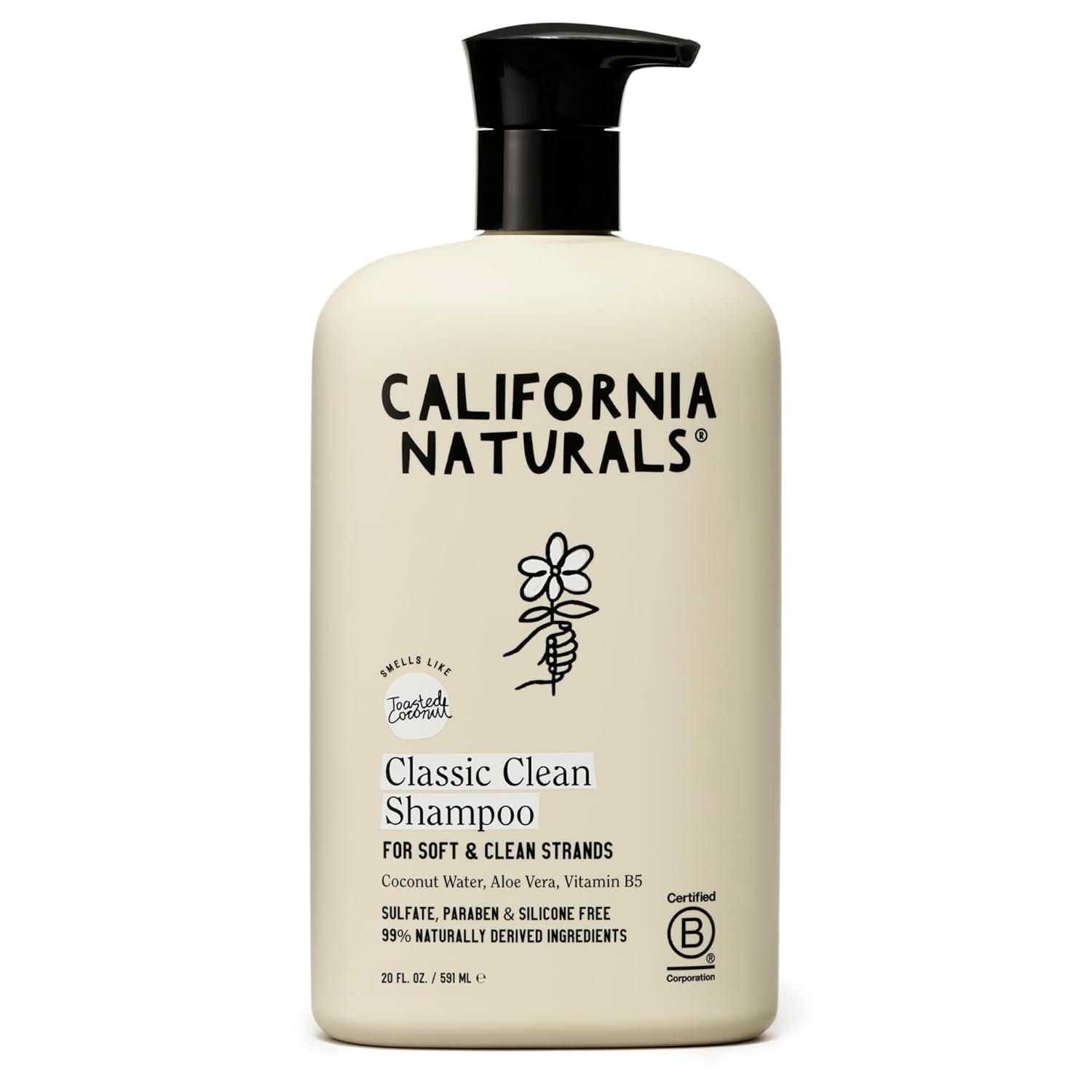
California Naturals Coconut Shampoo
This is the pick if you care about ingredient sourcing, sustainability, and sensory experience but still want to stay reasonable on price. Why it made the list:
- 99% naturally derived ingredients
- Sulfate-free
- Clean, simple ingredient story
The coconut scent is noticeable but not overpowering. It lathers well for a sulfate-free formula and works especially nicely on medium to thicker hair types.
You’re paying a bit more here, but for formulation philosophy and packaging values, not empty promises. If that matters to you, this upgrade makes sense.
Best Budget (My Daily Shampoo)
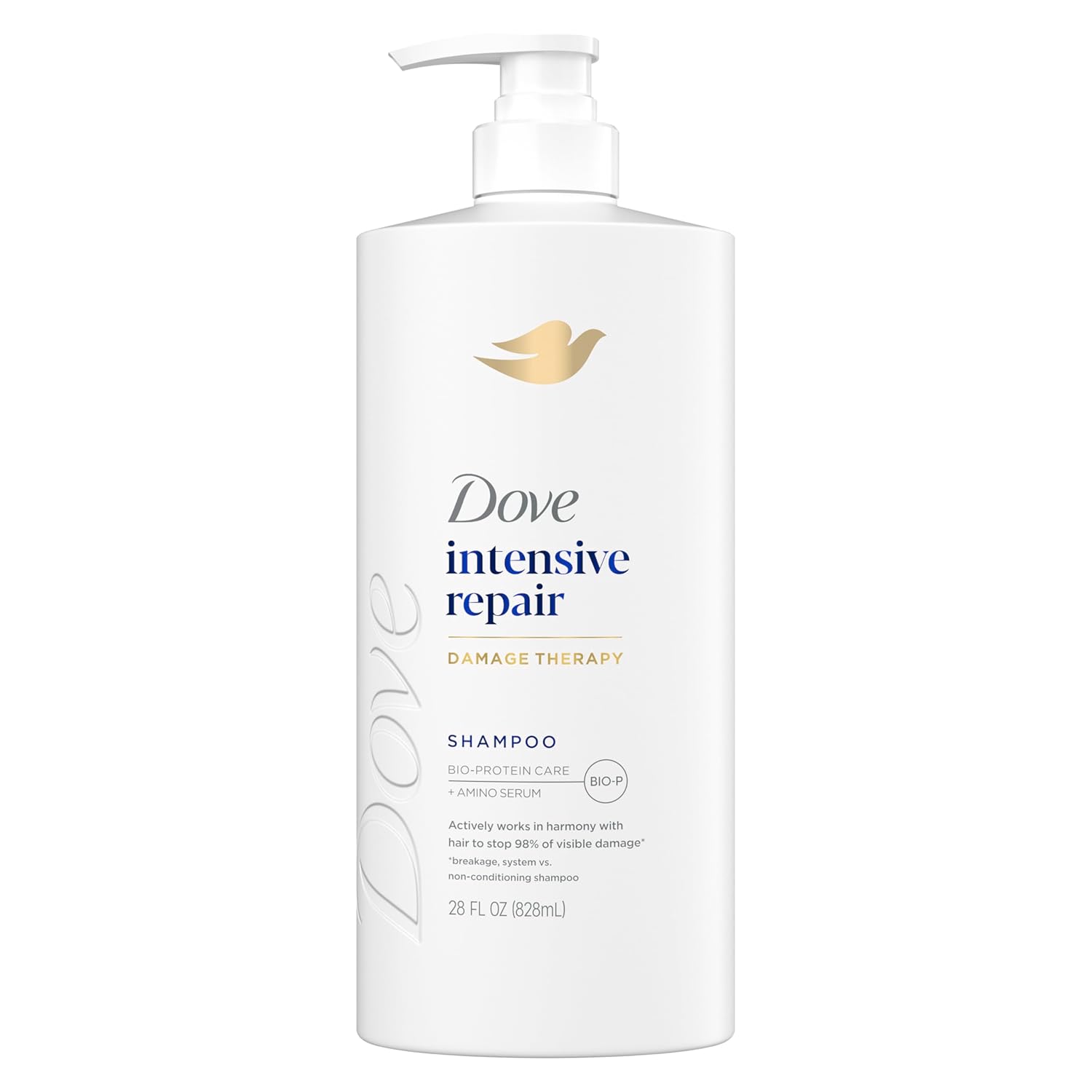
Dove Intensive Repair Shampoo
This one surprises people. It’s affordable. It uses traditional detergents. And it works. Why it made the list:
- Consistently strong cleansing
- Very affordable per ounce (especially in larger bottles)
- Includes conditioning agents that leave hair smoother after rinsing
- Widely available and frequently discounted
Yes, it contains sulfates. For many scalps, that’s not a problem. It’s effective cleansing. If you use styling products, dry shampoo, or go several days between washes, this formula cuts through buildup easily.
No, it isn’t “regenerating 1 trillion protein builders.” That’s marketing language. But it does clean thoroughly and leaves hair manageable and sometimes that’s all you need.
This is my daily driver because it performs consistently and costs very little per wash.
The Bottom Line
You don’t need a $38 bottle to have clean, healthy-looking hair.
Pick based on:
- Your scalp sensitivity
- How much buildup you use
- How often you wash
- Whether scent and ingredient philosophy matter to you
Shampoo is a rinse-off product. Choose it accordingly. Spend wisely. Rinse thoroughly. And save your splurge for something that actually stays on your hair.
Question: Time for a confession… have you ever paid more for shampoo just because the bottle looked impressive? Share in the comments below.
EverydayCheapskate™ is reader-supported. We participate in the Amazon Services LLC Associates Program and other affiliate advertising programs, designed to provide a means for us to earn from qualifying purchases, at no cost to you.

More from Everyday Cheapskate
 https://www.everydaycheapskate.com/wp-content/uploads/20261004-reduce-healthcare-costs-with-three-habits-healthy-couple-walking-in-autumn-leaves.png
800
1200
Mary Hunt
https://www.everydaycheapskate.com/wp-content/uploads/EC-Logo-by-Mary-Hunt-Tagline-Trimmed.png
Mary Hunt2026-10-04 23:08:572026-10-04 23:09:47How to Reduce Healthcare Costs With 3 Free Daily Habits
https://www.everydaycheapskate.com/wp-content/uploads/20261004-reduce-healthcare-costs-with-three-habits-healthy-couple-walking-in-autumn-leaves.png
800
1200
Mary Hunt
https://www.everydaycheapskate.com/wp-content/uploads/EC-Logo-by-Mary-Hunt-Tagline-Trimmed.png
Mary Hunt2026-10-04 23:08:572026-10-04 23:09:47How to Reduce Healthcare Costs With 3 Free Daily Habits https://www.everydaycheapskate.com/wp-content/uploads/20260925-best-inexpensive-coffee-grinders-burr-manual-and-electric.png
800
1200
Mary Hunt
https://www.everydaycheapskate.com/wp-content/uploads/EC-Logo-by-Mary-Hunt-Tagline-Trimmed.png
Mary Hunt2026-09-25 11:06:342026-10-10 15:49:09The Best Coffee Grinder Upgrade That’s Actually Worth It
https://www.everydaycheapskate.com/wp-content/uploads/20260925-best-inexpensive-coffee-grinders-burr-manual-and-electric.png
800
1200
Mary Hunt
https://www.everydaycheapskate.com/wp-content/uploads/EC-Logo-by-Mary-Hunt-Tagline-Trimmed.png
Mary Hunt2026-09-25 11:06:342026-10-10 15:49:09The Best Coffee Grinder Upgrade That’s Actually Worth It https://www.everydaycheapskate.com/wp-content/uploads/20260919-air-purifier-in-living-room-1.png
800
1200
Mary Hunt
https://www.everydaycheapskate.com/wp-content/uploads/EC-Logo-by-Mary-Hunt-Tagline-Trimmed.png
Mary Hunt2026-09-19 11:36:552026-09-28 22:48:42The Best Inexpensive Air Purifiers for Small Homes
https://www.everydaycheapskate.com/wp-content/uploads/20260919-air-purifier-in-living-room-1.png
800
1200
Mary Hunt
https://www.everydaycheapskate.com/wp-content/uploads/EC-Logo-by-Mary-Hunt-Tagline-Trimmed.png
Mary Hunt2026-09-19 11:36:552026-09-28 22:48:42The Best Inexpensive Air Purifiers for Small Homes https://www.everydaycheapskate.com/wp-content/uploads/20260830-best-sound-machine-for-better-sleep-woman-hiding-under-comforter.png
800
1200
Mary Hunt
https://www.everydaycheapskate.com/wp-content/uploads/EC-Logo-by-Mary-Hunt-Tagline-Trimmed.png
Mary Hunt2026-09-10 09:51:452026-09-28 22:48:58Best Sound Machine for Better Sleep: 3 Honest Picks
https://www.everydaycheapskate.com/wp-content/uploads/20260830-best-sound-machine-for-better-sleep-woman-hiding-under-comforter.png
800
1200
Mary Hunt
https://www.everydaycheapskate.com/wp-content/uploads/EC-Logo-by-Mary-Hunt-Tagline-Trimmed.png
Mary Hunt2026-09-10 09:51:452026-09-28 22:48:58Best Sound Machine for Better Sleep: 3 Honest Picks https://www.everydaycheapskate.com/wp-content/uploads/20260906-best-can-openers-manual-electric-luxury.png
800
1200
Mary Hunt
https://www.everydaycheapskate.com/wp-content/uploads/EC-Logo-by-Mary-Hunt-Tagline-Trimmed.png
Mary Hunt2026-09-06 18:07:432026-09-06 18:10:39The Best Can Openers That Actually Work (And Won’t Quit on You)
https://www.everydaycheapskate.com/wp-content/uploads/20260906-best-can-openers-manual-electric-luxury.png
800
1200
Mary Hunt
https://www.everydaycheapskate.com/wp-content/uploads/EC-Logo-by-Mary-Hunt-Tagline-Trimmed.png
Mary Hunt2026-09-06 18:07:432026-09-06 18:10:39The Best Can Openers That Actually Work (And Won’t Quit on You) https://www.everydaycheapskate.com/wp-content/uploads/20260801-best-inexpensive-backpack-girl-holding-bag-with-ripped-jeans.png
800
1200
Mary Hunt
https://www.everydaycheapskate.com/wp-content/uploads/EC-Logo-by-Mary-Hunt-Tagline-Trimmed.png
Mary Hunt2026-08-01 13:11:412026-09-28 22:50:26Best Inexpensive Backpacks That Actually Last for Years
https://www.everydaycheapskate.com/wp-content/uploads/20260801-best-inexpensive-backpack-girl-holding-bag-with-ripped-jeans.png
800
1200
Mary Hunt
https://www.everydaycheapskate.com/wp-content/uploads/EC-Logo-by-Mary-Hunt-Tagline-Trimmed.png
Mary Hunt2026-08-01 13:11:412026-09-28 22:50:26Best Inexpensive Backpacks That Actually Last for Years https://www.everydaycheapskate.com/wp-content/uploads/20260729-the-problem-with-fabric-softener-sitting-on-a-washer.png
800
1200
Mary Hunt
https://www.everydaycheapskate.com/wp-content/uploads/EC-Logo-by-Mary-Hunt-Tagline-Trimmed.png
Mary Hunt2026-07-29 13:45:412026-07-29 13:47:50Fabric Softener Is Wrecking Your Laundry. Here’s What Actually Works.
https://www.everydaycheapskate.com/wp-content/uploads/20260729-the-problem-with-fabric-softener-sitting-on-a-washer.png
800
1200
Mary Hunt
https://www.everydaycheapskate.com/wp-content/uploads/EC-Logo-by-Mary-Hunt-Tagline-Trimmed.png
Mary Hunt2026-07-29 13:45:412026-07-29 13:47:50Fabric Softener Is Wrecking Your Laundry. Here’s What Actually Works. https://www.everydaycheapskate.com/wp-content/uploads/20260706-negotiate-medical-bills-female-nurse-with-calculator-and-ipad-negotiating-a-bill.png
800
1200
Mary Hunt
https://www.everydaycheapskate.com/wp-content/uploads/EC-Logo-by-Mary-Hunt-Tagline-Trimmed.png
Mary Hunt2026-07-06 21:19:252026-09-28 22:51:26How to Negotiate Medical Bills and Cut Costs 30-50%
https://www.everydaycheapskate.com/wp-content/uploads/20260706-negotiate-medical-bills-female-nurse-with-calculator-and-ipad-negotiating-a-bill.png
800
1200
Mary Hunt
https://www.everydaycheapskate.com/wp-content/uploads/EC-Logo-by-Mary-Hunt-Tagline-Trimmed.png
Mary Hunt2026-07-06 21:19:252026-09-28 22:51:26How to Negotiate Medical Bills and Cut Costs 30-50% https://www.everydaycheapskate.com/wp-content/uploads/20260705-Best-Coolers-for-Camping-Road-Trips-and-Beach-Days.png
800
1200
Mary Hunt
https://www.everydaycheapskate.com/wp-content/uploads/EC-Logo-by-Mary-Hunt-Tagline-Trimmed.png
Mary Hunt2026-07-05 13:26:172026-09-28 22:51:32Best Coolers for Camping, Road Trips, and Beach Days
https://www.everydaycheapskate.com/wp-content/uploads/20260705-Best-Coolers-for-Camping-Road-Trips-and-Beach-Days.png
800
1200
Mary Hunt
https://www.everydaycheapskate.com/wp-content/uploads/EC-Logo-by-Mary-Hunt-Tagline-Trimmed.png
Mary Hunt2026-07-05 13:26:172026-09-28 22:51:32Best Coolers for Camping, Road Trips, and Beach DaysPlease keep your comments positive, encouraging, helpful, brief,
and on-topic in keeping with EC Commenting Guidelines
Last update on 2026-10-13 / Affiliate links / Images from Amazon Product Advertising API


What ingredients in shampoos cause gray hair to turn an ugly yellow. I have to use a purple shampoo to get back to gray. Help, please.
I like Pantene shampoo plus conditioner at $8 each , or Tresemme for $6 in the giant bottle.
Please explain why I should pay the price for your suggestions when something like Suave is cheaper still?
That’s a fair question, Sally.
If Suave works well for your hair and scalp and you like the results, there’s absolutely no reason to switch. “Best inexpensive” doesn’t automatically mean “most expensive of the cheap options.” It means best value for performance.
Suave tends to use a simpler, more straightforward cleansing formula. That can be perfectly fine for some hair types. Dove includes additional conditioning ingredients, which for my hair means I can use less product and sometimes stretch time between washes. When I factor in coupons and larger sizes, the cost per wash ends up very similar.
That’s how I choose in this series. I don’t automatically go for the lowest shelf price. I look for the product that gives the best performance for the money.
If Suave gives you the results you want, stick with it.
for years and years i’ve used a bar of pine tar soap on my hair. if i want to, i can get up a really good sudsy lather which makes me feel pampered. i know, equating a lot of lather with luxury is all in my mind, but i like it anyway. i love the way it makes my hair feel. i have also seen boutique soap bars that are good for shampoo but due to the cost i only use those when i get them as gifts. shampoo bar soap is great when you are traveling. nothing to come loose and get shampoo all over your suitcase and you don’t have to get specially sealed trial sizes to get through airport security.
My daughter is a hairdresser and has me buy sulfate-free shampoo to not wash out the color too fast. I get the duo liter bottles when on sale at a cosmetologist supply store. Sally Beauty or Cosmo Prof.
Can “regular” shampoo be used on gray hair?
yes, regular shampoos won’t by themselves discolor gray hair. But because gray hair is more porous, regular shampooing can contribute to yellowing from hard water, sun, and other hair products. If you see this happening, just look for an alternative that has added purple which will help keep your gray hair bright.
TY for the shampoo info. Now may we please have advice on hair conditioners??
Hi Marsha! Be sure to check out today’s featured post. 😉
Sulfate-containing shampoos with SLS or SLES light my scalp on fire and make my want to scratch my scalp all day. If I stick with the sulfate-free varieties, I am golden. So being sulfate-free is necessary for some people.
Actually the cheaper brands can be very bad for colored or treated hair. However I use earthling company shampoo bars. This eliminates the waste. No plastic bottle. No fillers. And in makes an absolute difference in my hair. Softer, more volume and minimizes frizz. The conditioner is OK however I also use “It’s a 10” leave in conditioner. $15 for a bar and lasts months. Cheaper brands have buffers and additives that are harsher
I tried Earthling shampoo and conditioner bars and have seen no difference. I splurged on them because my hair feels dry and thinning at 56…… waste of money!
I like what you said about cationic detergent in your shampoo being more gentle. My sister has been telling me about how she wants to take better care of her hair in the coming weeks, and I think that this information can help her with that. I’ll share this information with her so that she can look into her options for shampoos that can help her with this.
Totally disagree with you Mary, sorry. I invest a lot of money into my hair and if I’m spending over $200 on color or highlights and want to retain what my stylist did, a $3 shampoo is going to dull and fade the color. I know this first hand especially if you dye your hair blonde or red tones…not to mention if you do chemical straightening or perms, these procedures will need very specialised products in order to keep your healthy! Stay away from the drugstore stuff!!!Those cheapo shampoos will definitely make your hair look brassy and unless you use the right shampoo and conditioners to help extend the color you will be at the salon every few weeks to tone it out. If you use boxed color then go ahead and use whatever you find on sale. The difference in the detergents and chemicals you speak of vary from brand to brand and the amount and type of detergent could be compared to generic vs brand name, yes they all fundamentally have the same cleansing agents but the formulations and how they are used differ immensely. You can often find that a liter of a very good salon quality shampoo lasts longer and is much better for your hair than the drug store brands because yes, they contain more water whereas the salon quality ones are thicker, and you require much less product which will end up costing you about the same as the drugstore stuff. Also, many salons stand behind the products they sell and often let you use an item a couple of times and if it doesn’t agree with you they let you exchange it or as my salon does, they provide samples of products that are often best sellers. I notice that with salon quality shampoo and conditioners I can also go longer between washes and my blow-outs and roller sets last longer. Please do your own research on this and invest in your hair, its the crown you never take off. This coming from someone who used the drugstore stuff for years, I will never use it again after finding something that works wonders for my hair at my local salon.
Helen, what a blessing that you are able to spend over $200 a month on your hair.
Most of us cannot and that is why we enjoy and find helpful Mary Hunt’s Every Day Cheapskate website.
I agree.. My daughter is a hairdresser and has me buy sulfate-free shampoo to not wash out the color too fast. I get the duo liter bottles when on sale at a cosmetologist supply store. Sally Beauty or Cosmo Prof.
What about just using bar soap to clean your hair?
I just came here to say that! I have, for years, used Cetaphil cleansing bar from head to toe. My hair is very thick, near shoulder length. It works very well and my dermatologist suggested it. I’ve used many other shampoos and conditioners over 50+ years with varying success. Now I choose to be a “cheapskate” and use this everyday from head to toes!
great info.
I so agree. I never pay more than a dollar for name brand shampoo sometimes I get it free at Kroger after coupons.
“Rinse and Repeat” can work if you do this. Rinse your hair, running your fingers through it to eliminate dirt (rather than just getting it wet), use a tiny bit of shampoo and wash, even though you get no lather. Lets assume you start with 1/6 of what you would normally use. Rinse and wash again, using perhaps 1/3 of what you normally use. You will be amazed at the rich lather achieved with the second wash, and you have used half of what you normally use. You may be able to get by with even less. Most people use way too much shampoo anyway.
This is what I usually do, even though I mix in a little Nizoral anti dandruff shampoo with the regular stuff! It really is more economical on the budget and works just fine for getting my thin hair clean!
I agree!! Ever since I started washing my hair twice; first to get all the product out, then washing to be sure it’s actually clean, my hair has felt so much better!!
Suave Essentials Daily Clarifying is my fav! Used it for many years now. No itching scalp for me. I won’t even let the salon shampoo my hair any more because whatever they use makes my scalp itch, too. I just shampoo right before going in. There just seems to be no good reason to put extra “stuff” into a shampoo. Seems to me that the rinse agents are what we should pay more attention to, as per this article’s recommendation.
Totally agree with you….I”m 74 and a lifelong user of Suave products. Even at my age I still have great hair. I must admit tho that I dont color or perm my hair.
Great article! I’ll have to check my shampoo. My hairdresser friend also says to use baking soda rather than shampoo. Shampooing does not need to be done as often this way. Doing so may extend the life of your colored hair since you are not actually washing it. Also, who is the model in the picture?? I see stock photos of her absolutely everywhere!
I started using Castile soap on my hair about 6 months ago because all the shampoos made my head itch badly. I use a vinegar or lemon rinse with it. Works like a charm & inexpensive also. Use the soap for body wash also.
I buy all of my shampoo at the dollar stores. I have found that they have the brand names there — and everything’s a dollar! Some of the stores even accept manufacturer’s coupons.
I have color treated hair, and regular shampoo strips the color out quickly. The only kind I can use are sulfate-free shampoos. They are more expensive, but my color lasts WAY longer.
What is in dandruff shampoo that is different and if so what should I look for?
I am a curly girl, so I don’t shampoo very often, just once in awhile.
A friend introduced me to MONAT hair products. The shampoo I am looking at purchasing has “Lauramidopropyl Betaine” as the second ingredient. Have you heard of that?
The problem with shampoo is that it strips oils from your hair and scalp, which, in turn tells your scalp to produce more oil….which makes your hair oily, which tells you to go ahead and switch shampoos. You are better off trying to find natural “soap” shampoos and knock off the detergent ones. If you really want to get wild, stop using shampoo and use baking soda with an apple cider vinegar rinse after. It works on a lot of people (the vinegar smell does not stay). Another thing to try is Lush shampoo bars. Or do some research and make your own….some oil, some lye, some essential oil (rosemary is good for hair growth), some time and boom! Shampoo which you probably won’t need to use conditioner with. I say this for any Canadian readers because there is nowhere up here that has shampoo for $.49 – not even with coupons. Pantene is at least $5 per bottle, as is Loreal, Head & Shoulders is about $7, I believe, and salon shampoo…..search for a sale because that stuff is $15 per bottle & up!
Baking soda as a shampoo and vinegar as a rinse won’t work for everyone. But it’s so cheap, it’s worth trying.
Not long ago, I bought a bottle of Suave with a coconut scent. The first time I use it in the shower; I towel dried off and the skin around my eyes was very red and burned so bad! I am very careful what I wash my face with and the face creams I use but I had never considered how shampoo effected the skin on my face! I now use Free and Clear and have no reaction whatsoever. It is pricier than many; but I use a very small amount.
I so agree. I never pay more than 49 cents for name brand shampoo and most of the time I get it for free after the ibotta and checkout 51 app. I stock up when they are on sale and use coupons. I donate a lot of them to tornado and flood relief victims and the food banks of course. I share with my neighbors too. I use pantene and Loreal mostly but do have some suave too. Kroger has suave this week for 39 cents after coupons I think. Time to stock up some more for the food bank. I love sharing and I can’t afford to share but at those prices I can do it occasionally. It isn’t that I have to have name brand but it is cheaper than generic when you combine a sale and a coupon. I haven’t paid for toothpaste in years. I don’t care if we use crest or colgate so I just buy what is on sale when I need it.
I have a very dry, itchy scalp so I buy the generic version of Head & Shoulders which really does seem to help the itchy symptom. Do you have any advice about these types of shampoos?
I have to disagree. Quite a few people are sensitive to Sodium Lauryl Sulfate, Sodium Laureth Sulfate and their derivatives. If you have itchy scalp, rashes or frequent break-outs in your hair, you may want to try a shampoo with out these ingredients. Same with toothpaste. Once I switched to shampoo and toothpaste with no SLS, my scalp improved significantly, and I no longer get canker sores in my mouth. Unfortunately, all of the cheap brands use SLS. They key to saving money is to use the smallest amount needed to get good results. Especially with toothpaste, I only use a very small pea-sized amount.
Mary did write that Sodium Lauryl Sulfate is harsh. If someone if sensitive to that and Sodium Laureth Sulfate, they may need to stick to the two gentler detergents. Posting this because I think you’re agreeing with Mary more than you think you are.
To the many people who are sensitive, Sodium Laureth Sulfate is just as bad and Sodium Lauryl Sulfate. So, no, I’m not agreeing.
What are your thoughts on shampoos that help extend hair color?
I would also like to know this.
Yay! This is great information. Is the Conditioner post coming next? PLEASE….. 🙂
This is helpful information. I just checked the three shampoos I have in the shower. The Matrix one contains Sodium Lauryl Sulfate, one of the harsher ingredients you mentioned, while both the Redken and the Suave contain the gentler Sodium Laureth Sulfate. I was surprised, but glad to know. Thanks!
That may all be true for store bought but when looking for non toxic ingredients in hair care you will be paying a lot more for healthier ingredients. It’s just the way it is because of supply and demand.
What do you advise looking for in a hair conditioner?