

Live Your Life for Half the Price Without Sacrificing Joy

Saving money doesn’t have to feel like a punishment. “Living your life for half the price” is my personal challenge and it can be yours, too. By buying what you need, wanting what you have, and steering clear of impulsive spending traps, you can cut costs, build financial freedom, and still enjoy life fully, without guilt or sacrifice.

It’s a benchmark, a goal, a mindset, a kind of game I play with myself. Whatever the price tag, real or perceived, I challenge myself to find a way to get it down to “half the price.”
What “Living for Half the Price” Really Means
Sometimes I make it; other times, I must concede to something far less than half the price. But now and then, I hit it just right, and it feels like I’ve won the jackpot.
Not long ago, by agreeing to take a later flight, applying a special discount code, not checking any bags, and not being picky about our seats, we flew for less than $100 each, round trip. These days, that’s nearly unheard of.
And then there are the times I get the price of something down to nothing… by deciding not to buy at all. Doing without or choosing to wait amazes me. If I’m just willing to wait a day or two, that “urgent need” often fades away.
Small Adjustments That Save Big
Living your life for half the price isn’t easy. It takes skill, determination, and a willingness to go against the current—a current that constantly tells us it’s okay to spend all we have now and borrow against the future. It takes focus, discipline, and a clear sense of what really matters.
Here’s the secret for living below your means in just eight little words: Buy what you need, want what you have. Simple. Profound. Life-changing.
I repeat it to myself every day because old impulses still sneak in. If you’re like me, you’ll find value in some of the proactive strategies I use to stay on track. From tracking spending habits to delaying purchases, small intentional adjustments add up quickly. It’s not about deprivation; it’s about designing a life that prioritizes value, joy, and long-term financial flexibility.
The Power of Gratitude in Spending
Choosing to be grateful for what you have creates a protective layer around your life. It shields you from constantly comparing yourself to others or chasing the next “must-have” item. Gratitude helps you focus on the value already present in your life, making it easier to make thoughtful spending choices.
Take something like a new car, for example. When you tally the full cost, not just the sticker price, but insurance, maintenance, and interest, it can suddenly make your older, fully paid-for vehicle look a lot better. By appreciating what you already own, you naturally reduce the urge to overspend, and you free up both money and mental energy for experiences, savings, or goals that really matter.
Avoid Impulse Traps and Overspending
If you find yourself easily dissatisfied or prone to impulsive purchases, the first step is awareness: know your weak spots, then take action to protect yourself. Turn off the television. Skip past magazine ads. Limit your scrolling through websites that make you yearn for things you don’t truly need. In short, remove yourself from mindless shopping triggers whenever possible.
And remember, choosing the high road with your money doesn’t require an apology. If saying “I can’t afford it” feels awkward, try this instead: “I just don’t choose to spend my money that way.” It’s firm, polite, and puts the power back in your hands.
Build a Financial Margin for Peace of Mind
Living below your means isn’t about deprivation. It’s about creating a buffer between you and the financial edge. That margin is what allows you to breathe, plan, and act with confidence, instead of reacting out of necessity. It’s what turns stress into security and gives you options when life throws the unexpected your way.
Think of it as building a personal safety net with every decision you make: paying bills on time, saving a little more than last month, avoiding unnecessary debt, and making intentional choices about what you bring into your life. Over time, these small, deliberate actions add up, giving you not just wealth, but the priceless benefit of peace of mind.
The Freedom You Gain from Money You Don’t Spend
Here’s the principle I hope sticks with you: It’s the money you don’t spend that gives you the freedom to live the life you love!
Every dollar you choose to save instead of splurging is a choice for flexibility, options, and peace of mind. That freedom isn’t theoretical. It shows up in ways that matter: a weekend getaway without guilt, the ability to say yes to experiences instead of debt, or simply breathing easier knowing you have a cushion when life throws an unexpected challenge your way.
It’s about making intentional choices with your money, not punishing yourself. When you focus on what you truly value, your finances become a tool for living the life you love, not a chain holding you back.
Embrace it, practice it, and watch how even small savings can compound into big freedom, joy, and control over your life.
Your Roadmap to Half-Price Living
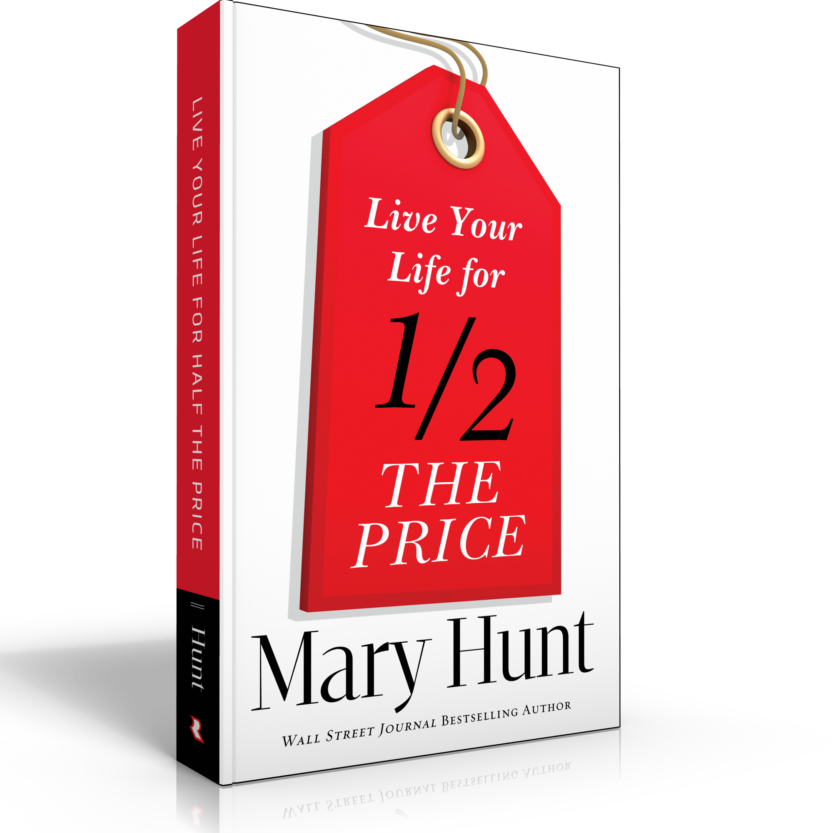 If you’d like a roadmap for putting these principles into action, I wrote a book that dives into exactly how to make your money work for you instead of the other way around.
Live Your Life for Half the Price shows you how to cut the cost of nearly everything you need without giving up the joy or quality of life. Inside, you’ll find practical strategies for:
- Finding money you didn’t know you had
- Cutting your grocery bill by 50%
- Controlling the mother of all budget-busters
- Avoiding fees and paying off your mortgage
- Saving on bills and preparing for emergencies
- Paying less for your dream car
- Planning family vacations
- And much more
It’s about taking control, making intentional choices, and giving yourself the freedom to focus on what really matters. With humor, compassion, and step-by-step guidance, this book helps you finally get off the monthly money roller coaster and start building a life you love.
Available at Amazon and everywhere fine books are sold.

Question: What’s the smartest money-saving move you’ve made recently and how much did it actually save you? Share in the comments below.
EverydayCheapskate™ is reader-supported. We participate in the Amazon Services LLC Associates Program and other affiliate advertising programs, designed to provide a means for us to earn from qualifying purchases, at no cost to you.

More from Everyday Cheapskate
 https://www.everydaycheapskate.com/wp-content/uploads/20261004-woman-dreaming-about-her-financial-and-life-goals.png
800
1200
Mary Hunt
https://www.everydaycheapskate.com/wp-content/uploads/EC-Logo-by-Mary-Hunt-Tagline-Trimmed.png
Mary Hunt2026-10-04 12:50:422026-10-04 12:50:42She Lived in a Basement for $100 a Month. Here’s Why.
https://www.everydaycheapskate.com/wp-content/uploads/20261004-woman-dreaming-about-her-financial-and-life-goals.png
800
1200
Mary Hunt
https://www.everydaycheapskate.com/wp-content/uploads/EC-Logo-by-Mary-Hunt-Tagline-Trimmed.png
Mary Hunt2026-10-04 12:50:422026-10-04 12:50:42She Lived in a Basement for $100 a Month. Here’s Why. https://www.everydaycheapskate.com/wp-content/uploads/20261003-woman-hugging-elderly-mother-sandwich-generation-caring-for-aging-parents.png
800
1200
Mary Hunt
https://www.everydaycheapskate.com/wp-content/uploads/EC-Logo-by-Mary-Hunt-Tagline-Trimmed.png
Mary Hunt2026-10-03 10:47:222026-10-03 10:47:25Sandwiched Between Aging Parents and Adult Children
https://www.everydaycheapskate.com/wp-content/uploads/20261003-woman-hugging-elderly-mother-sandwich-generation-caring-for-aging-parents.png
800
1200
Mary Hunt
https://www.everydaycheapskate.com/wp-content/uploads/EC-Logo-by-Mary-Hunt-Tagline-Trimmed.png
Mary Hunt2026-10-03 10:47:222026-10-03 10:47:25Sandwiched Between Aging Parents and Adult Children https://www.everydaycheapskate.com/wp-content/uploads/20260926-pov-from-an-aisle-seat-on-an-airplane.png
800
1200
Mary Hunt
https://www.everydaycheapskate.com/wp-content/uploads/EC-Logo-by-Mary-Hunt-Tagline-Trimmed.png
Mary Hunt2026-09-27 19:14:552026-09-27 19:16:27Confessions of a Woman Who Preflights Her Own Escape
https://www.everydaycheapskate.com/wp-content/uploads/20260926-pov-from-an-aisle-seat-on-an-airplane.png
800
1200
Mary Hunt
https://www.everydaycheapskate.com/wp-content/uploads/EC-Logo-by-Mary-Hunt-Tagline-Trimmed.png
Mary Hunt2026-09-27 19:14:552026-09-27 19:16:27Confessions of a Woman Who Preflights Her Own Escape https://www.everydaycheapskate.com/wp-content/uploads/20260920-small-money-mistakes-woman-sitting-at-her-laptop-reviewing-bills.png
800
1200
Mary Hunt
https://www.everydaycheapskate.com/wp-content/uploads/EC-Logo-by-Mary-Hunt-Tagline-Trimmed.png
Mary Hunt2026-09-20 11:34:162026-09-28 22:48:40Small Money Mistakes: How to Fix Them Before They Grow
https://www.everydaycheapskate.com/wp-content/uploads/20260920-small-money-mistakes-woman-sitting-at-her-laptop-reviewing-bills.png
800
1200
Mary Hunt
https://www.everydaycheapskate.com/wp-content/uploads/EC-Logo-by-Mary-Hunt-Tagline-Trimmed.png
Mary Hunt2026-09-20 11:34:162026-09-28 22:48:40Small Money Mistakes: How to Fix Them Before They Grow https://www.everydaycheapskate.com/wp-content/uploads/20260918-man-and-woman-signing-an-extended-warranty-in-a-car-dealership.png
800
1200
Mary Hunt
https://www.everydaycheapskate.com/wp-content/uploads/EC-Logo-by-Mary-Hunt-Tagline-Trimmed.png
Mary Hunt2026-09-18 15:23:432026-09-18 15:25:43Is an Extended Warranty Ever Worth It? The Truth for 2026
https://www.everydaycheapskate.com/wp-content/uploads/20260918-man-and-woman-signing-an-extended-warranty-in-a-car-dealership.png
800
1200
Mary Hunt
https://www.everydaycheapskate.com/wp-content/uploads/EC-Logo-by-Mary-Hunt-Tagline-Trimmed.png
Mary Hunt2026-09-18 15:23:432026-09-18 15:25:43Is an Extended Warranty Ever Worth It? The Truth for 2026 https://www.everydaycheapskate.com/wp-content/uploads/20260915-overspending-habits-man-opening-empty-wallet.png
800
1200
Mary Hunt
https://www.everydaycheapskate.com/wp-content/uploads/EC-Logo-by-Mary-Hunt-Tagline-Trimmed.png
Mary Hunt2026-09-15 20:24:412026-09-28 22:48:50How to Stop Overspending Habits for Good, Starting Today
https://www.everydaycheapskate.com/wp-content/uploads/20260915-overspending-habits-man-opening-empty-wallet.png
800
1200
Mary Hunt
https://www.everydaycheapskate.com/wp-content/uploads/EC-Logo-by-Mary-Hunt-Tagline-Trimmed.png
Mary Hunt2026-09-15 20:24:412026-09-28 22:48:50How to Stop Overspending Habits for Good, Starting Today https://www.everydaycheapskate.com/wp-content/uploads/20260914-101010-rule-gold-numbers-on-teal-background.png
800
1200
Mary Hunt
https://www.everydaycheapskate.com/wp-content/uploads/EC-Logo-by-Mary-Hunt-Tagline-Trimmed.png
Mary Hunt2026-09-14 11:31:532026-09-28 22:48:53The 10/10/10 Rule Every Overthinker Needs to Try Today
https://www.everydaycheapskate.com/wp-content/uploads/20260914-101010-rule-gold-numbers-on-teal-background.png
800
1200
Mary Hunt
https://www.everydaycheapskate.com/wp-content/uploads/EC-Logo-by-Mary-Hunt-Tagline-Trimmed.png
Mary Hunt2026-09-14 11:31:532026-09-28 22:48:53The 10/10/10 Rule Every Overthinker Needs to Try Today https://www.everydaycheapskate.com/wp-content/uploads/20260909-annualize-your-spending.png
800
1200
Mary Hunt
https://www.everydaycheapskate.com/wp-content/uploads/EC-Logo-by-Mary-Hunt-Tagline-Trimmed.png
Mary Hunt2026-09-08 20:17:552026-09-28 22:49:02Annualize Your Spending: See What It Really Costs You
https://www.everydaycheapskate.com/wp-content/uploads/20260909-annualize-your-spending.png
800
1200
Mary Hunt
https://www.everydaycheapskate.com/wp-content/uploads/EC-Logo-by-Mary-Hunt-Tagline-Trimmed.png
Mary Hunt2026-09-08 20:17:552026-09-28 22:49:02Annualize Your Spending: See What It Really Costs You https://www.everydaycheapskate.com/wp-content/uploads/20260905-college-student-credit-card-debt-male.png
800
1200
Mary Hunt
https://www.everydaycheapskate.com/wp-content/uploads/EC-Logo-by-Mary-Hunt-Tagline-Trimmed.png
Mary Hunt2026-09-05 11:26:562026-09-05 11:36:10Should You Bail Your College Kid Out of Credit Card Debt?
https://www.everydaycheapskate.com/wp-content/uploads/20260905-college-student-credit-card-debt-male.png
800
1200
Mary Hunt
https://www.everydaycheapskate.com/wp-content/uploads/EC-Logo-by-Mary-Hunt-Tagline-Trimmed.png
Mary Hunt2026-09-05 11:26:562026-09-05 11:36:10Should You Bail Your College Kid Out of Credit Card Debt?Please keep your comments positive, encouraging, helpful, brief,
and on-topic in keeping with EC Commenting Guidelines
Last update on 2026-10-11 / Affiliate links / Images from Amazon Product Advertising API


Mary I loved this book! I also now enjoy your newsletter. God bless you.
I started followjng you back in 2006 when I quit my job to stay home full time with my young children. I learned so much and we thrived on one income when I was scared we wouldn’t. I probably took it too far as I was making all my own cleaners and laundry detergents from your recipes. My husband drew the line when I bought powdered milk (ha,ha). I did eventually go back to work after my kids were older. My husband and I recently retired and I have a renewed interest especially since I just learned my aging mother, who is on a fixed income, has been using her credit cards poorly. I am helping her set up a budget but she isn’t totally onboard as she feels she has to give up too much. What books would you suggest I share with her? She has never been good with money but I didn’t realize it had gotten so bad. Thank you!
Yours is a difficult question, Jennifer and the answer even more so. Here’s the problem: Your mom is not feeling the pain of debt. She’s in the pleasure stage, where if there is any pain, it’s outweighed by the joy and pleasure of paying with plastic. If she might be willing to read, I’d suggest this book as it’s a short and easy-read: 7 Money Rules for Life. Just know that it’s won’t be easy or even possible for you to change her. That kind of change has to come from within.
The problem is that I manage the money and keep things paid off, and my husband (a very dear man) spends without considering what is in the bank!
I am 65 and still hang my laundry out on the clotheslines until freezing weather sets in. I can’t give you a definite savings but I know it’s substantial. And, my dryer lasts years longer since it’s hardly used most of the year.
Love your blog. I love all your tips and recipes. My brothers actually love them too and my brothers are picky eaters just meat and potato….
Thanks for sharing all your wisdom over the years with us.
I coupon and use the apps to save money along with the store blogs. I have learned to buy only what I need or if it is free (if we don’t need it I will donate it or share with the neighbors) . Trying to save money right now to pay off bills since my mother died. It would be easier if my brothers would help but they are to tight with their money. LOL
OMG, they should be pulling their weight too. Karma has a way of teaching them a lesson.
When will your book be available for half off?
Good one! Send me your address and I’ll make sure you get it for 100% off. Only Catherine, people. Her lucky day 😉
My husband died 10 years this April and it has very hard.I shop online rarely and mostly local sales.Dollar General on saturdays offers 5.00 off 25.00 at coupons I shop there and have found many good products made in America.
Living in a small Town the thrift stores are good but I only go if a need something not just for fun.
I read your blog and have used many ideas you given.
We are in inflation and if we do change course and vote the spenders out we will crash.I know for I have worked in the SWAMP! I hope and pray people understand and read your blog for advice.Thank you