

14 Genius Ways to Use Citric Acid for Cleaning, Descaling, and More

Citric acid powder might just be the all-natural cleaning superhero your home needs. Found in citrus fruits and easily available in powdered form, this versatile, eco-friendly cleaner can tackle everything from hard water stains to stubborn grime. In this post, I’ll share 14 brilliant ways to use citric acid to clean and descale practically anything in your home—whether it’s your coffee maker, dishwasher, or even rusty tools!

What is Citric Acid and How Does It Work for Cleaning?
Citric acid, often called “sour salt,” might sound a little intense, but don’t let the name fool you. It’s a mild, natural acid found in fruits like lemons, limes, and even pineapple—nothing scary here! This low-level acid is safe to use and packs enough punch to tackle tough soap scum, dirt, and even mold.
When mixed with water, citric acid powder becomes a cleaning superhero, effortlessly wiping out grime. It’s strong enough to bust through hard water stains and rust while staying gentle on surfaces. Just be sure to avoid your eyes—trust me, it stings!
Adding citric acid to your cleaning routine can help with those annoying hard water build-ups on glass, coffee and tea stains, and even yellowing from age. It’s versatile, natural, and definitely worth having in your cleaning arsenal.
Where Can I Get Citric Acid?

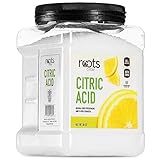
Roots Circle All-Natural Citric Acid
Sure, you could squeeze the juice from lemons to get that natural citric acid kick, but let’s be real—that’s neither practical nor cost-effective. For everyday cleaning, it’s much easier (and cheaper) to grab citric acid powder, which you’ll find in most grocery stores, usually in the canning aisle at places like Target or Walmart. It’s also widely available online, and a little goes a long way. One pound of citric acid can last forever because you only need a tiny bit to work wonders!
How to Use Citric Acid Powder for Cleaning and Descaling
For months, I was on a mission to uncover everything I could about citric acid—and let me tell you, the results have been nothing short of amazing! This humble little powerhouse is now a staple in my cleaning toolkit, and I’m excited to share why it should be in yours too. So, buckle up as I break down all the reasons citric acid deserves a spot on your list of affordable, natural products that’ll keep your home sparkling clean.
1. Deep Clean Your Coffee Maker (The Easy Way!)
Ready to give your coffee maker the deep clean it deserves? Start by emptying any leftover coffee from the carafe and cleaning the filter basket. Next, dissolve 2 tablespoons of citric acid in water, pour it into the reservoir, and let the machine brew. After that, run a couple of pots of clear water through to rinse out any citric acid. Your coffee maker will be spotless, and the carafe will sparkle. Repeat monthly for the best results.
2. Descale and De-gunk Your Dishwasher
With regular use, hard water deposits build up in dishwashers, their hoses, and connectors. Citric acid can get in all of those small crevices to break down and remove that build-up. I have previously suggested lemon Kool-Aid for its high citric acid concentration—which works—but straight citric acid can be used directly.
Skip the scrubbing and try this: fill the detergent cup with citric acid powder and run the dishwasher on the hottest cycle (without dishes). Run a second time with regular detergent (and dishes if you want) to clear out any mineral deposits that may have lingered. And voilà—your dishwasher will be free of buildup, hoses and all.
3. Get Rid of Kettle Scale Without Scrubbing
Mineral deposits build up quickly and can be difficult to remove from a tea kettle—stovetop or electric model. Boiling water and a little citric acid can take care of that; no scrubbing is required.
Fill the kettle halfway and turn it on to boil. Once it’s boiling, remove it from the stove (or switch the electric model off) and drop one tablespoon of citric acid (2 tablespoons for an extreme situation) into the water. Leave it to sit for 15 to 20 minutes. Rinse, and the pesky minerals will be gone.
4. Erase That Stubborn Toilet Bowl Ring
While there are several ways to get rid of that stubborn toilet bowl ring, dissolving it with citric acid is one of the easiest. Pour one tablespoon of the powder into the toilet bowl, swish it with a toilet brush, then let it sit for 15 to 20 minutes. One flush later, and you’ll have a sparkling clean toilet!
5. Make an All-Purpose Surface Cleaner
For a DIY cleaner that tackles kitchen counters, showers, and more, mix a couple of tablespoons of citric acid with water in a spray bottle. Just spray, wipe, and watch the grime disappear. Avoid using it on natural stone like granite and marble, though—it can cause damage! Get the full recipe down below.
6. Clean Greasy Toaster Oven Racks with Ease
If yours are like mine, those toaster oven racks can get pretty gross with food drippings, oil, and grease that has become baked on, making them difficult to clean. A quick soak in citric acid and water can break down the grease for easy cleaning.
Put two heaping tablespoons of citric acid in a bucket, deep sink, or bathtub of hot water so the powder dissolves. Next, add the racks and let them bathe for 20 to 30 minutes. A quick scrub will remove the grease with ease—no elbow grease required!
7. Say Goodbye to Hard Water Deposits in Humidifiers
Humidifiers are prone to a build-up of hard water deposits at the water tank base and around the heating port. If you’ve attempted to scrub this area using vinegar, baking soda, and every other thing you could think of to get it clean—without success—a good sprinkling of citric acid powder along with a brush or sponge, works wonders to remove the build-up with minimal scrubbing.
Boil six to eight cups of water, depending on the size of your humidifier, and grab your powdered citric acid. Remove the water tank and pour enough citric acid into the base to cover the surface area. Next, pour in the boiling water. Add citric acid as needed to cover the affected area. Let it sit for five minutes, then scrape away the deposits. Repeat this process as often as needed, but should be infrequent. Check out this video tutorial for more →
8. Descale Your Tankless Water Heater Like a Pro
Sure, your coffeemaker needs to be “descaled” regularly, but so does that big appliance that makes hot water for the household. Good news! Citric acid is a perfect and natural solution to flush out your water heater.
To clean a tankless water heater, pour 1 cup of citric acid powder into 10 liters (about 2.5 gallons) of water and pour the liquid into the cold water valve of your water heater. Let the solution sit for 8 hours. Next, connect a hose to the drain at the bottom of the heater and rinse it into a sink or large bucket. You’ll see all of the deposits flushed out into the container and your water heater will thank you.
If yours is a tank-style water heater, check the owner manual for flushing and descaling, as this varies from manufacturer to manufacturer.
9. Restore Sparkle to Water-Stained Windows
Because citric acid clears out hard water, it’s a perfect solution for removing water stains on windows. Combine two tablespoons of the powder plus one cup of hot water in a spray bottle. Shake it up to dissolve the powder and spray it directly onto the window. Wait a minute, then wipe the solution away for crystal-clear windows.
10. Clear Smudges and Streaks from Mirrors
Citric acid is perfect for cleaning gunk, smudges, and streaks from mirrors. Mix one part citric acid with one part vinegar in a spray bottle, spritz, and wipe down with a microfiber cloth. Your mirror will shine without a streak in sight.
11. Revive Dirty Grout in Minutes
Citric acid will scrub grout for you. Just put one tablespoon of powdered citric acid into a spray bottle with two cups (16 oz) hot water and shake to dissolve. Spray the grout and wait a few minutes, then effortlessly wipe away dirt and grime from the grout, and tile, too.
Pro Tip
Regular cleaning can slowly wear down the protective sealer on your grout, leaving it vulnerable to stains and dirt. To keep your grout looking fresh and protected, make sure to reseal it at least once a year. A quick reseal will save you time and effort in the long run by keeping grime from settling in.
12. Get Rust Off Your Garden Tools
Rusty tools making yard work tougher than it needs to be? Instead of replacing them because they’re gross and uncooperative, make up a rust removal solution with citric acid.
Make up a batch of Citric Acid All-Purpose Cleaner (see below) and pour it into a bucket or other container big enough to hold your rusted tools. Soak the items for 30 to 60 minutes, then clean with a scouring pad or brass wire brush. Continue to dunk and scrub, letting the tools sit periodically for the solution to continue to lift the rust. Dry your tools immediately, then oil them with mineral oil or clean motor oil after each use to prevent future rusting.
13. Polish Your Stainless Steel Appliances
Citric acid is a fabulous way to clean stainless steel appliances. Expect to remove dirt and grime you didn’t even notice was there. For sure, you’ll notice the difference afterward when those surfaces are squeaky, sparkling clean!
Spray the appliances with the Citric Acid All-Purpose Cleaner (recipe below), and allow them to sit for three to five minutes. Wipe away the solution, then rinse with a wet cloth. Finally, dry with a microfiber cloth working in the direction of the grain, until completely dry and super shiny!
14. Clean Grimy Countertops Safely
Citric acid is a natural and effective way to clean all sorts of surfaces, from glass stovetops to butcher blocks. Simply spray the counter with your Citric Acid All-Purpose Cleaner (see below). Let stand for one to two minutes, then rinse and wipe dry. Your countertops will not only be clean but sanitized as well. Just be sure to skip this method on granite or marble!
Tips for Using Citric Acid Powder for Cleaning Safely
While citric acid is a fantastic natural cleaner, there are a few important safety precautions to keep in mind to protect both your home and yourself.
- Avoid Sensitive Surfaces: Citric acid can be too harsh for certain materials. Avoid using it on granite, marble, or painted surfaces, as well as dishware trimmed with gold, platinum, or silver. Acids like citric acid can strip the protective sealants from these surfaces and even damage the finish. This includes painted or sealed wood surfaces, such as wood floors—citric acid can break down the finish, leading to dull spots or permanent damage.
- Test Before Use: Always do a small test in an inconspicuous area before using citric acid on any surface. This way, you’ll know if it’s safe for your specific situation without risking damage.
- Protect Yourself: Breathing in citric acid dust can cause irritation to your nose and throat, and it can be harsh on your skin and eyes as well. To avoid irritation, use gloves, eye protection, and make sure to work in a well-ventilated space.
By following these simple precautions, you’ll be able to enjoy the cleaning power of citric acid without worrying about unintended consequences.
Frequently Asked Questions About Cleaning with Citric Acid
Should I test citric acid before using it on surfaces?
Absolutely! Always test citric acid (or any cleaning remedy) in an inconspicuous spot before going all in. This helps you avoid any unexpected reactions with specific surfaces. Better safe than sorry, right?
Will citric acid work instantly on tough stains?
Citric acid is amazing, but don’t expect instant miracles. Natural cleaning remedies, like citric acid or vinegar, work best when used consistently over time. Patience and a little elbow grease go a long way with these solutions!
Can I use citric acid on delicate surfaces like marble or granite?
Nope! Citric acid has corrosive properties that can damage natural stone like marble and granite. It’s a no-go for those delicate surfaces if you want to keep them looking their best.
Is it safe to use citric acid on wood floors or furniture?
Be cautious! Citric acid can break down wax or sealer coatings, leaving a cloudy finish on wood floors or furniture. If your wood surfaces have a seal, it’s best to avoid using citric acid to prevent damage.
Can I use citric acid to clean electronic screens?
I wouldn’t recommend it. Citric acid can break down the special oleophobic coating on electronic screens, which helps protect against smudges. Stick to screen-safe cleaners for your phones, laptops, and TVs.
What’s the best way to use citric acid as a cleaner?
Citric acid is a fantastic natural cleaner with so many uses! It works wonders as a descaler, effectively removing soap scum, hard water stains, lime, and rust. It's also great for general disinfecting, though it’s not a substitute for disinfecting against viruses like COVID-19.

Citric Acid All-Purpose Cleaner Recipe
Materials
- 2 cups water
- 2 tbsp citric acid powder
Instructions
- Boil 2 cups of water in a small pot or kettle.
- Carefully pour the boiling water into a heat-resistant bowl or container.
- Add 2 tablespoons of citric acid powder and stir until fully dissolved.
- Allow the mixture to cool to room temperature.
- Once cooled, pour the solution into a spray bottle or apply directly to a clean cloth.
Notes
Question: What’s your go-to natural cleaner for tough stains? Ever tried using citric acid? Let us know your results.
EverydayCheapskate™ is reader-supported. We participate in the Amazon Services LLC Associates Program and other affiliate advertising programs, designed to provide a means for us to earn from qualifying purchases, at no cost to you.

More from Everyday Cheapskate
 https://www.everydaycheapskate.com/wp-content/uploads/20260826-DIY-cat-litter-deodorizer-kitten-looking-up-at-camera-from-box.png
800
1200
Mary Hunt
https://www.everydaycheapskate.com/wp-content/uploads/EC-Logo-by-Mary-Hunt-Tagline-Trimmed.png
Mary Hunt2026-08-25 21:17:362026-08-25 21:17:36The One-Ingredient Litter Box Trick That Costs Pennies
https://www.everydaycheapskate.com/wp-content/uploads/20260826-DIY-cat-litter-deodorizer-kitten-looking-up-at-camera-from-box.png
800
1200
Mary Hunt
https://www.everydaycheapskate.com/wp-content/uploads/EC-Logo-by-Mary-Hunt-Tagline-Trimmed.png
Mary Hunt2026-08-25 21:17:362026-08-25 21:17:36The One-Ingredient Litter Box Trick That Costs Pennies https://www.everydaycheapskate.com/wp-content/uploads/20260824-house-rules-for-adult-children.png
800
1200
Mary Hunt
https://www.everydaycheapskate.com/wp-content/uploads/EC-Logo-by-Mary-Hunt-Tagline-Trimmed.png
Mary Hunt2026-08-24 12:21:382026-08-24 12:23:50House Rules for Adult Children Living at Home (Without Losing Your Mind or Your Garage)
https://www.everydaycheapskate.com/wp-content/uploads/20260824-house-rules-for-adult-children.png
800
1200
Mary Hunt
https://www.everydaycheapskate.com/wp-content/uploads/EC-Logo-by-Mary-Hunt-Tagline-Trimmed.png
Mary Hunt2026-08-24 12:21:382026-08-24 12:23:50House Rules for Adult Children Living at Home (Without Losing Your Mind or Your Garage) https://www.everydaycheapskate.com/wp-content/uploads/20260822-central-AC-maintenance-air-condenser-outdoors.png
800
1200
Mary Hunt
https://www.everydaycheapskate.com/wp-content/uploads/EC-Logo-by-Mary-Hunt-Tagline-Trimmed.png
Mary Hunt2026-08-22 14:19:562026-08-22 14:19:59How to Extend the Life of Your Central AC (5 Late-Summer Tune-Up Tips)
https://www.everydaycheapskate.com/wp-content/uploads/20260822-central-AC-maintenance-air-condenser-outdoors.png
800
1200
Mary Hunt
https://www.everydaycheapskate.com/wp-content/uploads/EC-Logo-by-Mary-Hunt-Tagline-Trimmed.png
Mary Hunt2026-08-22 14:19:562026-08-22 14:19:59How to Extend the Life of Your Central AC (5 Late-Summer Tune-Up Tips) https://www.everydaycheapskate.com/wp-content/uploads/20260817-thrift-store-sign-with-blue-cloudy-sky-in-background.png
800
1200
Mary Hunt
https://www.everydaycheapskate.com/wp-content/uploads/EC-Logo-by-Mary-Hunt-Tagline-Trimmed.png
Mary Hunt2026-08-17 09:17:472026-08-17 09:17:47The Donation Box Mistakes Thrift Stores Wish We’d Skip
https://www.everydaycheapskate.com/wp-content/uploads/20260817-thrift-store-sign-with-blue-cloudy-sky-in-background.png
800
1200
Mary Hunt
https://www.everydaycheapskate.com/wp-content/uploads/EC-Logo-by-Mary-Hunt-Tagline-Trimmed.png
Mary Hunt2026-08-17 09:17:472026-08-17 09:17:47The Donation Box Mistakes Thrift Stores Wish We’d Skip https://www.everydaycheapskate.com/wp-content/uploads/20260815-how-to-water-your-lawn-without-wasting-money.png
800
1200
Mary Hunt
https://www.everydaycheapskate.com/wp-content/uploads/EC-Logo-by-Mary-Hunt-Tagline-Trimmed.png
Mary Hunt2026-08-15 12:45:022026-08-15 12:45:02How to Water Your Lawn Without Wasting Money This Summer
https://www.everydaycheapskate.com/wp-content/uploads/20260815-how-to-water-your-lawn-without-wasting-money.png
800
1200
Mary Hunt
https://www.everydaycheapskate.com/wp-content/uploads/EC-Logo-by-Mary-Hunt-Tagline-Trimmed.png
Mary Hunt2026-08-15 12:45:022026-08-15 12:45:02How to Water Your Lawn Without Wasting Money This Summer https://www.everydaycheapskate.com/wp-content/uploads/20260813-real-hourly-wage-for-a-second-income.png
800
1200
Mary Hunt
https://www.everydaycheapskate.com/wp-content/uploads/EC-Logo-by-Mary-Hunt-Tagline-Trimmed.png
Mary Hunt2026-08-13 21:16:562026-08-13 21:18:10What’s the Real Hourly Wage of Your Second Income Job?
https://www.everydaycheapskate.com/wp-content/uploads/20260813-real-hourly-wage-for-a-second-income.png
800
1200
Mary Hunt
https://www.everydaycheapskate.com/wp-content/uploads/EC-Logo-by-Mary-Hunt-Tagline-Trimmed.png
Mary Hunt2026-08-13 21:16:562026-08-13 21:18:10What’s the Real Hourly Wage of Your Second Income Job? https://www.everydaycheapskate.com/wp-content/uploads/20260809-how-to-get-the-smell-out-of-towels-stack-of-towels-sitting-with-candle-in-bright-natural-light.png
800
1200
Mary Hunt
https://www.everydaycheapskate.com/wp-content/uploads/EC-Logo-by-Mary-Hunt-Tagline-Trimmed.png
Mary Hunt2026-08-08 16:48:552026-08-08 16:50:57How to Get Smell Out of Towels: The 2-Wash Fix That Works
https://www.everydaycheapskate.com/wp-content/uploads/20260809-how-to-get-the-smell-out-of-towels-stack-of-towels-sitting-with-candle-in-bright-natural-light.png
800
1200
Mary Hunt
https://www.everydaycheapskate.com/wp-content/uploads/EC-Logo-by-Mary-Hunt-Tagline-Trimmed.png
Mary Hunt2026-08-08 16:48:552026-08-08 16:50:57How to Get Smell Out of Towels: The 2-Wash Fix That Works https://www.everydaycheapskate.com/wp-content/uploads/20260808-emergency-flashlight-multi-day-power-outage-prep.png
800
1200
Mary Hunt
https://www.everydaycheapskate.com/wp-content/uploads/EC-Logo-by-Mary-Hunt-Tagline-Trimmed.png
Mary Hunt2026-08-08 12:30:072026-08-08 12:30:08How to Prep Your Home for a Multi-Day Power Outage
https://www.everydaycheapskate.com/wp-content/uploads/20260808-emergency-flashlight-multi-day-power-outage-prep.png
800
1200
Mary Hunt
https://www.everydaycheapskate.com/wp-content/uploads/EC-Logo-by-Mary-Hunt-Tagline-Trimmed.png
Mary Hunt2026-08-08 12:30:072026-08-08 12:30:08How to Prep Your Home for a Multi-Day Power Outage https://www.everydaycheapskate.com/wp-content/uploads/20260807-Sunday-school-prep-routine-get-the-family-ready-for-the-week.png
800
1200
Mary Hunt
https://www.everydaycheapskate.com/wp-content/uploads/EC-Logo-by-Mary-Hunt-Tagline-Trimmed.png
Mary Hunt2026-08-07 11:22:222026-08-07 11:22:22The 15-Minute Sunday Prep That Runs Your Whole School Week
https://www.everydaycheapskate.com/wp-content/uploads/20260807-Sunday-school-prep-routine-get-the-family-ready-for-the-week.png
800
1200
Mary Hunt
https://www.everydaycheapskate.com/wp-content/uploads/EC-Logo-by-Mary-Hunt-Tagline-Trimmed.png
Mary Hunt2026-08-07 11:22:222026-08-07 11:22:22The 15-Minute Sunday Prep That Runs Your Whole School WeekPlease keep your comments positive, encouraging, helpful, brief,
and on-topic in keeping with EC Commenting Guidelines
Last update on 2026-09-01 / Affiliate links / Images from Amazon Product Advertising API


Hi Mary, I tried cleaning my electric tea pot that gets discolored d/t tannins in the tea. I tried doing as you suggested with the citric acid, boiling water… I let it sit for about 1 1/2 hrs and once I rinsed it, all the tannins remained. It did nothing to remove the build up. 🙁
Any other suggestions? TY!
Try baking soda and hot water. Let sit for 20-30 minutes and then scrub.
Using citric acid to clear a kitchen drain worked really well, when vinegar and baking soda didn’t. It also got rid of the smell.
I have a septic tank, is it safe to use so that it doesn’t kill the bacteria it needs to function?
Generally, the use of citric acid in low concentrations (max 5%) for occasional descaling or deodorizing is ok. Check local regulations, as some states limit acidic substances in septic systems.
I’ve purchased a home with a patio tiled in maroon glazed matte tiles. Hard water from nearby lawn sprinklers have left greyish deposits. I prepared a cup of warm water with a tablespoon of citric acid granules, and applied it with a soft bristled brush to several places, rinsing with a hose after an hour. NOW the dried tile “deposit” is WHITE! And THAT is not removable! What happened??
I cannot know what these grayish deposits are. You assume mineral buildup left by hard water, but could be a reaction with some unknown thing the previous owners used on the tile.
That the citric acid changed the appearance from gray to white gives me a clue (but this is only a guess!): Something was going on, it was working but you stopped the process. If the problem truly is hardwater buildup over a long period time, an hour was probably not sufficient. The only way to know is to try again, testing in a small inconspicuous spot that doesn’t matter, this time leaving the citric acid wash longer to see what happens. Hope that helps!
My friends like the brand name tablets, one for washing machines and one for dish washers. I thought they were just too expensive. After doing some research, I just bought citric acid and it does seem to make these appliances seem more fresh. However, here you don’t mention washing machines. I hope it’s ok for the fabulous Speed Queen I am fixing to buy?
Yes!
So concerning the descaling the dishwasher.
The 1st run with the lemon kool aid needs to be empty? Right?
Yes! Start with an empty dishwasher—no dishes. Fill the detergent cup with powdered citric acid (or unsweetened lemon Kool-aid). Set to run a complete cycle set to the hottest and longest.
Run a second time with regular detergent (and dishes if you want) to clear out any mineral deposits that may have lingered.
I used to always see something called “sour salt“ in the spice aisle, but can no longer find. I’d like to make my mothers Russian cabbage borscht which required sour salt. Do you think I can use the citric acid safely?
Yes. Sour salt is another name for citric acid.
I use it for my cabbage soup and anywhere you want to add a little lemon without diluting. Check under the kosher aisle under sour salt. Same thing
Just recently bought some citric acid, added it to the coffee maker, electric kettle, dishwasher, counter top and anything else I could think off. It works great. Super good stuff; Even sprayed the glass cooktop on the stove.
Handy for canning too.
You found another winner, can’t wait to see what you find next.
We have an outside ramp to our porch deck that is made of unfinished wood. The ramp surface has become quite stained and dark and a carpenter said that he didn’t believe that just spray washing will improve the way it looks and maybe it should just be rebuilt with new wood. Would cleaning it with citric acid solution be a good idea to try? The wood is not that old.
I don’t know if citric acid would work as you desire. But I do know tht oxalic acid is what woodworkers use to bleach wood. And I know that the common cleanser found in supermarkets and online, Bar Keepers Friend, contains mostly oxalic acid. You can purchase oxalic acid online, however be careful. It will come 100% oxalic acid so make sure you use gloves. Handle and store it according to the package directions and warning. I think I would start, however, wit Bar Keepers friend, making a past of it with water and then scrubbing a smalll area of that ramp to see how it reacts. You may want to apply, then leave it to bleach out the stains, then rinse well.
Mary, the headlights on my car are very scratched making the lights seem dim. Any suggestions for that?
How to Remove Cloudy Film from Headlight Covers Plus More Great Reader Tips
Could the citric acid all-purpose cleaner be used on my grimy cabinet doors before painting?
My first thought is yes! It would remove grime and also roughen or prepare the surface for paint. Give it a try in an inconspicuous place first … please!!
And if you don’t have ascorbic acid, you can use citric acid and lemon juice to prevent frozen peaches from turning brown.
If citric acid is the same as sour salt, then as I recall, it was always used in traditional cabbage borscht recipes.