

15-Minute Projects to Lower Utility Bills Fast


I used to think lowering utility bills meant big renovations and big checks. Turns out? It’s often 15 quiet minutes and a screwdriver. If your electric and water bills have been inching up, don’t panic. These small, doable projects can trim waste, reduce energy leaks, and stop those sneaky “vampire” electronics from draining your wallet while you sleep. Pick one, grab a screwdriver, and let’s start keeping more of your money at home.

If your latest utility bill made you pause mid-sip of coffee, you’re not imagining things. Across the country, residential energy bills are running about 30% higher than just a few years ago. In some states, they’ve climbed even faster thanks to aging grids, extreme weather, wildfire prevention, fuel costs, and good old-fashioned infrastructure upgrades.
Translation: there are big forces at work that you and I can’t control. But we can control what happens inside our own four walls.
Instead of wringing our hands or blaming the weather (or the power company), let’s focus on smart, practical steps that take 15 minutes or less. Pick one project. Set a timer. Do it tonight.
Small fixes, repeated over time, turn into real savings and that’s money you get to redirect toward things that matter more than keeping the lights on.
Ready? Let’s go.
Stop Wasting Hot Water in the Shower
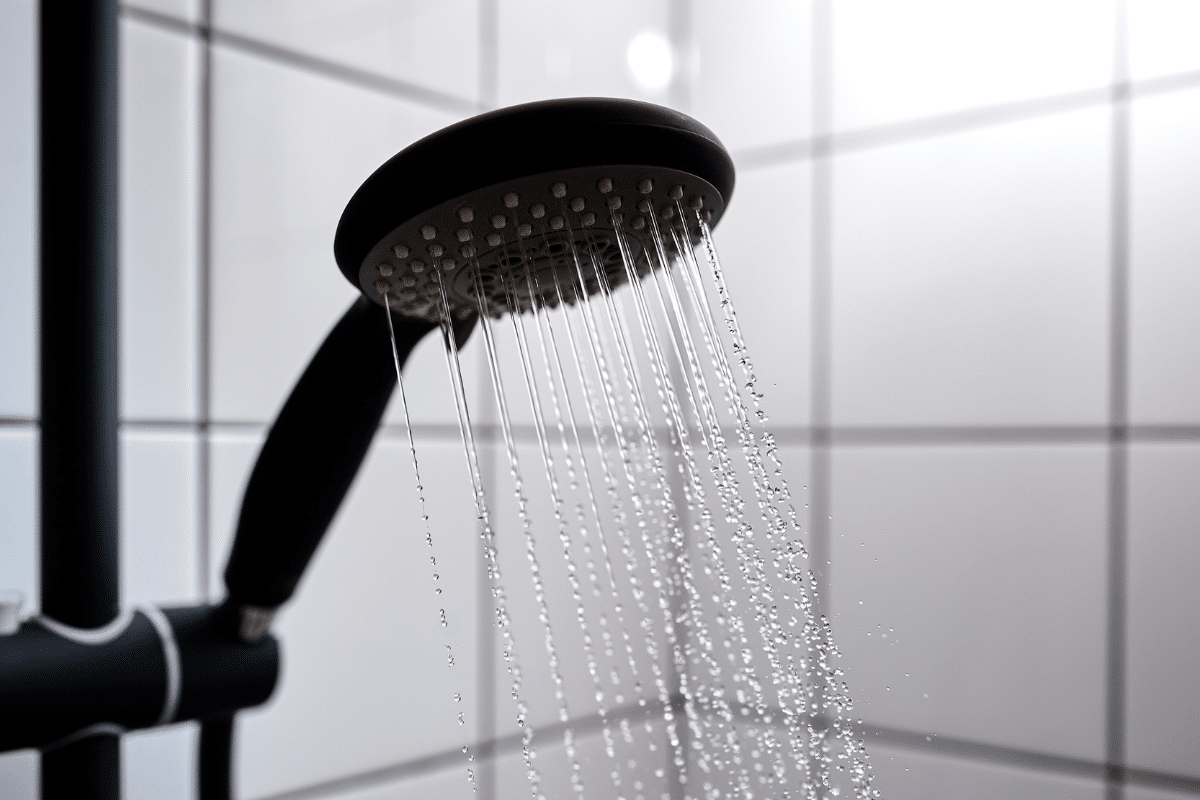
If you’re like me, you turn on the shower and wander off for a minute… make the bed, brush your teeth, maybe start the coffee. Meanwhile, perfectly good hot water is running straight down the drain. It doesn’t feel like much in the moment, but do that every day and it adds up fast.
One simple fix is the Evolve ShowerStart Thermostatic Shut-Off Valve. It’s not a new showerhead and it’s not low-flow. It’s a small valve that installs between your existing shower arm and showerhead (standard ½-inch connection), and it takes about three minutes to hand-tighten into place with the included plumber’s tape.
Here’s how it works: Turn on the shower as usual. Cold water runs while you finish your routine. When the water temperature reaches about 95°F, the valve automatically reduces the flow to a trickle. That’s your signal the water is hot and instead of continuing to run, it “waits” for you. When you’re ready to step in, you pull the small cord and full pressure resumes instantly.
What I like about this approach is that it doesn’t ask you to change your habits. You still get the water pressure you love. You just stop paying to heat water that no one is using.
For a family of three who saves just one minute of hot water per shower each day, that can mean roughly $75–$100 a year and about 2,700 gallons of water saved. And if you’ve ever forgotten the shower was running (no judgment… it happens), this little valve quietly protects you from that mistake.
Find and Fix Hidden Energy Leaks

Heating and cooling account for roughly half of most home energy use. And the average house has enough tiny cracks and gaps to equal a one-square-foot hole in the wall. The trick is finding those leaks without tearing into drywall.
The BLACK+DECKER Thermal Leak Detector (TLD100) is designed for everyday DIYers. It uses an infrared sensor to measure surface temperatures as you slowly scan walls, windows, ductwork, and trim. When it detects a temperature difference outside your preset range (you can choose 1°, 5°, or 10°), the LED light changes color (red for warmer spots, blue for cooler ones) so you can quickly see where conditioned air may be escaping.
This is especially useful if you feel drafts but can’t see obvious gaps, have uneven room temperatures, suspect leaky ductwork, want to check insulation around recessed lighting or attic access panels, or live in an older home with original windows. You can scan around windows and doors, electrical outlets, fireplace surrounds, baseboards, duct joints, and even ceiling areas near insulation.
This is not a professional energy audit. It won’t replace a blower door test. It won’t see inside walls. And it works best when there’s a noticeable temperature difference between indoors and outdoors. It helps you decide where to caulk, weatherstrip, or insulate instead of sealing randomly and hoping for the best.
Sealing accessible gaps with caulk or weatherstripping, adding foam outlet gaskets, tightening duct connections, or improving attic insulation can reduce heating and cooling costs by up to 20% in leaky homes. Even modest improvements make rooms more comfortable and reduce strain on your HVAC system.
Seal Electrical Outlets to Prevent Drafts
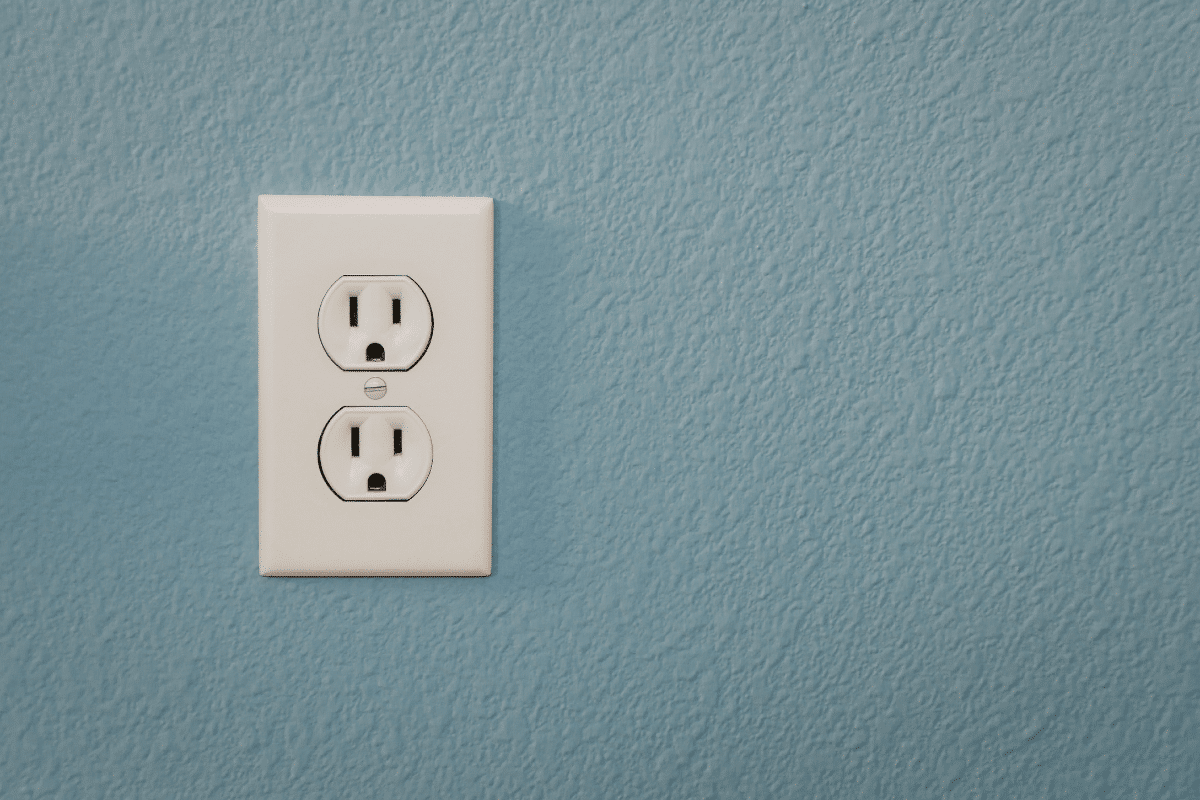
Here’s a quick test: on a cold day, place your hand over an exterior wall outlet. Feel that faint chill? That’s outside air slipping in around gaps you can’t see. Most homes have dozens of tiny openings around light switches and outlets. Each one seems insignificant. Together, they add up.
While no single fix will magically cut 10% off your bill, properly sealing common air leaks throughout the house can reduce heating and cooling costs by up to that amount in drafty homes. Outlet gaskets are one of the simplest places to start.
Foam outlet insulation gaskets (sometimes called socket sealers) are thin EVA foam inserts that sit behind your wall plates. They’re pre-cut to fit standard duplex outlets, toggle switches, rocker switches, and combination plates.
Installation takes about two minutes. Turn off the breaker. Remove the cover plate with a screwdriver. Place the foam gasket over the outlet or switch. Reattach the cover plate. That’s it. No caulk. No mess. No cutting required in most cases.
These gaskets block airflow inside the wall cavity, which helps reduce cold drafts in winter, keep cooled air inside during summer, improve comfort near exterior walls, and reduce strain on your HVAC system.
They’re especially helpful in older homes, houses with exterior-facing outlets, or rooms that always feel a few degrees off from the rest of the house. And because a typical pack includes 20–30 gaskets, you can seal the entire house in one afternoon.

Insulate Your Water Heater for Instant Savings

Your water heater works quietly in the background all day long even when no one’s showering. If the tank isn’t well insulated, it’s constantly reheating water that cools off between uses. That’s called standby heat loss, and it’s money drifting away in small, steady increments. Just like insulating your attic or walls, wrapping an older electric water heater can be an inexpensive way to improve efficiency.
If you have an older electric water heater, check whether it has insulation rated at least R-24. If you don’t know the rating, try this simple test: place your hand on the tank. If it feels noticeably warm, it’s heating the water and the room around it. That’s a sign additional insulation could help.
Properly insulating an older electric tank can reduce standby heat loss by 25–45% and trim roughly 7–16% off water heating costs. In many cases, a $20–$30 blanket pays for itself within a year.
Pre-cut insulation blankets like the Frost King SP57/11C Water Heater Insulation Blanket are widely available and designed to fit most tanks up to 60 gallons. They’re typically fiberglass with a reflective outer layer and include tape for installation.
It’s a manageable DIY project if you’re comfortable following basic safety steps and have a helper (four hands really do make this easier).
This project is best suited for electric water heaters. Many experts advise against insulating gas water heaters because much of their heat loss occurs through the flue, and improper wrapping can interfere with combustion airflow. Never cover access panels, thermostat controls, temperature and pressure relief valve, or warning labels.
Keep the thermostat at or below 130°F after installing a blanket to avoid overheating wiring. Check local codes and utility rules first. Some areas prohibit insulation blankets. And if your tank is leaking, skip the blanket… it’s replacement time.
Before buying anything, call your utility provider. Some offer discounted blankets, rebates, or even free installation as part of energy-saving programs.
Water heater blankets are especially worthwhile if your tank is more than 10 years old, it’s located in an unheated garage or basement, the exterior feels warm to the touch, and you’re not ready to replace it yet. If your water heater is newer, it’s likely already well insulated, and the savings may be minimal. In that case, your time is better spent sealing air leaks or insulating pipes instead.

Eliminate Phantom Power with Smart Power Options
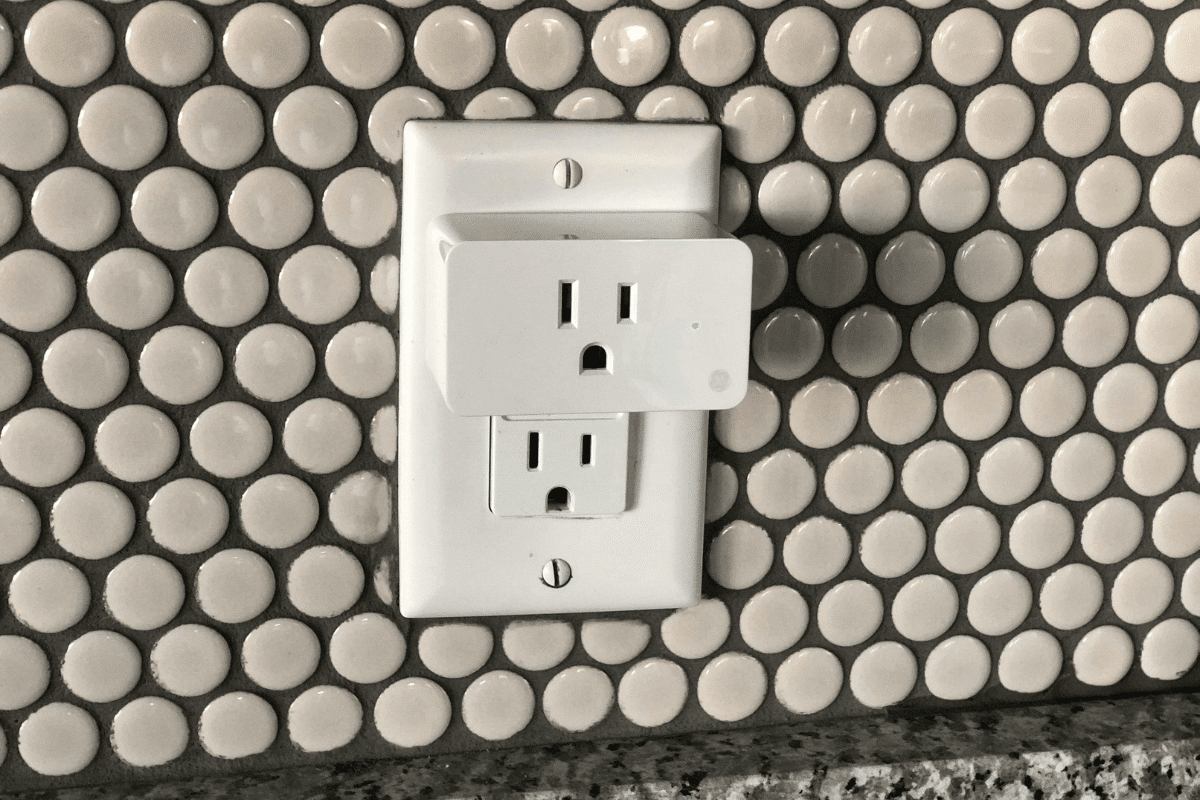
Turn off the lights tonight and walk through your house. See those tiny red, green, and blue lights glowing back at you? TVs, printers, coffee makers, gaming consoles, chargers… those little “eyes” are drawing electricity 24/7.
It’s called phantom power (or standby power), and while no single device uses much, the combined drain in an average home can account for 5–10% of total electricity use. That’s not catastrophic, but it’s not nothing either.
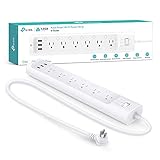
Smart power strips and smart plugs automatically cut power to devices when they enter standby mode. So when your TV turns off, the gaming console and sound system plugged into the same strip can power down too without you crawling under furniture to flip a switch.
Smart power strips look like traditional surge protectors but allow you to control multiple outlets individually, monitor energy usage, schedule shutoffs, and use voice control if you have a smart assistant. They’re ideal for TVs, desktop setups, printers, and anything with multiple accessories.
Smart plug adapters plug directly into the wall and control one device at a time. Think: lamps, coffee makers, space heaters, fans. Some models include energy monitoring, which lets you see exactly how much electricity something is using.
Smart outlet extenders convert one wall outlet into several, with a mix of always-on and smart-controlled outlets plus USB ports. Great for kitchens, entryways, or anywhere you want centralized control without rewiring.
Many newer models are compatible with major smart home platforms and can function locally on your home network once set up, which means they’ll still respond to schedules even if your internet drops.
Cutting phantom power won’t slash your bill in half. But it’s one of those quiet efficiency upgrades that reduces unnecessary consumption, protects electronics with built-in surge protection, gives you better control over usage, and adds convenience (holiday lights on a timer? Yes, please.)


Program Your Thermostat for Smarter Savings
A programmable thermostat is one of the easiest ways to save energy without sacrificing comfort. It lets you set temperature schedules for different times of the day or even different days of the week so your home is cozy when you need it and energy isn’t wasted when you don’t.
For example, you can have your thermostat lower the heat while everyone’s at work or school, then raise it shortly before you walk in the door. At night, it can automatically adjust to a cooler temperature while you sleep and return to comfort by morning.
Even a modest 7°–10°F setback for 8 hours a day can save about 10% on annual heating and cooling costs. And contrary to a common misconception, your furnace isn’t working harder to “catch up.” A cooler house actually loses heat more slowly, so the longer it stays at the setback temperature, the more energy you save. The same idea applies in summer: letting your home warm a few degrees while you’re away reduces the air conditioner’s workload.
Modern programmable thermostats range from simple 7-day models to advanced smart thermostats that integrate with your phone or smart home system. Here’s a quick guide:
- Best Budget: Amazon Smart Thermostat
ENERGY STAR certified, works with Alexa and Ring. Automatically adjusts based on your routines or presence. Supports remote control via Alexa app. Simple installation with guidance from the Alexa app - Best Inexpensive: ecobee Smart Thermostat Essential
Wi-Fi enabled, works with Siri, Alexa, and Google Assistant. 7-day programmable schedule and optional SmartSensor for room-specific comfort. Energy monitoring tracks usage and identifies savings opportunities. - Best Upgrade: Google Nest Learning Thermostat (4th Gen)
Learns your habits and automatically adjusts for comfort and efficiency. Works with most HVAC systems, voice assistants, and Matter smart home networks. Helps manage hot and cold spots in your home using optional temperature sensors.


Question: What 15-minute money-saving project have you tackled recently? Share in the comments below.
EverydayCheapskate™ is reader-supported. We participate in the Amazon Services LLC Associates Program and other affiliate advertising programs, designed to provide a means for us to earn from qualifying purchases, at no cost to you.

More from Everyday Cheapskate
 https://www.everydaycheapskate.com/wp-content/uploads/20261017-Woman-opening-refrigerator-stocked-with-fresh-food-and-condiments.png
800
1200
Mary Hunt
https://www.everydaycheapskate.com/wp-content/uploads/EC-Logo-by-Mary-Hunt-Tagline-Trimmed.png
Mary Hunt2026-10-17 12:16:242026-10-17 12:16:24What Temperature Should a Refrigerator and Freezer Be?
https://www.everydaycheapskate.com/wp-content/uploads/20261017-Woman-opening-refrigerator-stocked-with-fresh-food-and-condiments.png
800
1200
Mary Hunt
https://www.everydaycheapskate.com/wp-content/uploads/EC-Logo-by-Mary-Hunt-Tagline-Trimmed.png
Mary Hunt2026-10-17 12:16:242026-10-17 12:16:24What Temperature Should a Refrigerator and Freezer Be? https://www.everydaycheapskate.com/wp-content/uploads/20261015-Sweet-pepper-and-onion-relish-in-a-white-bowl-with-crackers-and-fresh-red-bell-peppers.png
800
1200
Mary Hunt
https://www.everydaycheapskate.com/wp-content/uploads/EC-Logo-by-Mary-Hunt-Tagline-Trimmed.png
Mary Hunt2026-10-15 13:14:022026-10-15 13:14:02Sweet Pepper Onion Relish (Perfect Over Cream Cheese)
https://www.everydaycheapskate.com/wp-content/uploads/20261015-Sweet-pepper-and-onion-relish-in-a-white-bowl-with-crackers-and-fresh-red-bell-peppers.png
800
1200
Mary Hunt
https://www.everydaycheapskate.com/wp-content/uploads/EC-Logo-by-Mary-Hunt-Tagline-Trimmed.png
Mary Hunt2026-10-15 13:14:022026-10-15 13:14:02Sweet Pepper Onion Relish (Perfect Over Cream Cheese) https://www.everydaycheapskate.com/wp-content/uploads/20261012-Woman-using-smartphone-while-checking-monthly-cellular-data-usage-on-laptop.png
800
1200
Mary Hunt
https://www.everydaycheapskate.com/wp-content/uploads/EC-Logo-by-Mary-Hunt-Tagline-Trimmed.png
Mary Hunt2026-10-12 10:51:112026-10-12 10:51:11Do You Really Need Unlimited Data? Check Before You Pay
https://www.everydaycheapskate.com/wp-content/uploads/20261012-Woman-using-smartphone-while-checking-monthly-cellular-data-usage-on-laptop.png
800
1200
Mary Hunt
https://www.everydaycheapskate.com/wp-content/uploads/EC-Logo-by-Mary-Hunt-Tagline-Trimmed.png
Mary Hunt2026-10-12 10:51:112026-10-12 10:51:11Do You Really Need Unlimited Data? Check Before You Pay https://www.everydaycheapskate.com/wp-content/uploads/20261011-Woman-Adjusting-Smart-Home-Device-on-the-Wall-how-to-lower-your-electric-bill.png
800
1200
Mary Hunt
https://www.everydaycheapskate.com/wp-content/uploads/EC-Logo-by-Mary-Hunt-Tagline-Trimmed.png
Mary Hunt2026-10-11 23:01:562026-10-11 23:01:56Stop Chasing Pennies on Your Electric Bill. Do This
https://www.everydaycheapskate.com/wp-content/uploads/20261011-Woman-Adjusting-Smart-Home-Device-on-the-Wall-how-to-lower-your-electric-bill.png
800
1200
Mary Hunt
https://www.everydaycheapskate.com/wp-content/uploads/EC-Logo-by-Mary-Hunt-Tagline-Trimmed.png
Mary Hunt2026-10-11 23:01:562026-10-11 23:01:56Stop Chasing Pennies on Your Electric Bill. Do This https://www.everydaycheapskate.com/wp-content/uploads/20261007-red-present-sitting-in-autumn-leaves-Amazon-Prime-Big-Deal-Days-gifts.png
800
1200
Mary Hunt
https://www.everydaycheapskate.com/wp-content/uploads/EC-Logo-by-Mary-Hunt-Tagline-Trimmed.png
Mary Hunt2026-10-06 23:09:432026-10-06 23:09:43Christmas Shopping in October? These Prime Day Gifts Make Sense
https://www.everydaycheapskate.com/wp-content/uploads/20261007-red-present-sitting-in-autumn-leaves-Amazon-Prime-Big-Deal-Days-gifts.png
800
1200
Mary Hunt
https://www.everydaycheapskate.com/wp-content/uploads/EC-Logo-by-Mary-Hunt-Tagline-Trimmed.png
Mary Hunt2026-10-06 23:09:432026-10-06 23:09:43Christmas Shopping in October? These Prime Day Gifts Make Sense https://www.everydaycheapskate.com/wp-content/uploads/20261006-prime-big-deal-days-have-landed.png
800
1200
Mary Hunt
https://www.everydaycheapskate.com/wp-content/uploads/EC-Logo-by-Mary-Hunt-Tagline-Trimmed.png
Mary Hunt2026-10-05 11:01:432026-10-07 09:02:53EC’s Top Picks from Amazon Prime Big Deal Days 2026
https://www.everydaycheapskate.com/wp-content/uploads/20261006-prime-big-deal-days-have-landed.png
800
1200
Mary Hunt
https://www.everydaycheapskate.com/wp-content/uploads/EC-Logo-by-Mary-Hunt-Tagline-Trimmed.png
Mary Hunt2026-10-05 11:01:432026-10-07 09:02:53EC’s Top Picks from Amazon Prime Big Deal Days 2026 https://www.everydaycheapskate.com/wp-content/uploads/20261004-reduce-healthcare-costs-with-three-habits-healthy-couple-walking-in-autumn-leaves.png
800
1200
Mary Hunt
https://www.everydaycheapskate.com/wp-content/uploads/EC-Logo-by-Mary-Hunt-Tagline-Trimmed.png
Mary Hunt2026-10-04 23:08:572026-10-04 23:09:47How to Reduce Healthcare Costs With 3 Free Daily Habits
https://www.everydaycheapskate.com/wp-content/uploads/20261004-reduce-healthcare-costs-with-three-habits-healthy-couple-walking-in-autumn-leaves.png
800
1200
Mary Hunt
https://www.everydaycheapskate.com/wp-content/uploads/EC-Logo-by-Mary-Hunt-Tagline-Trimmed.png
Mary Hunt2026-10-04 23:08:572026-10-04 23:09:47How to Reduce Healthcare Costs With 3 Free Daily Habits https://www.everydaycheapskate.com/wp-content/uploads/20261004-woman-dreaming-about-her-financial-and-life-goals.png
800
1200
Mary Hunt
https://www.everydaycheapskate.com/wp-content/uploads/EC-Logo-by-Mary-Hunt-Tagline-Trimmed.png
Mary Hunt2026-10-04 12:50:422026-10-04 12:50:42She Lived in a Basement for $100 a Month. Here’s Why.
https://www.everydaycheapskate.com/wp-content/uploads/20261004-woman-dreaming-about-her-financial-and-life-goals.png
800
1200
Mary Hunt
https://www.everydaycheapskate.com/wp-content/uploads/EC-Logo-by-Mary-Hunt-Tagline-Trimmed.png
Mary Hunt2026-10-04 12:50:422026-10-04 12:50:42She Lived in a Basement for $100 a Month. Here’s Why. https://www.everydaycheapskate.com/wp-content/uploads/20241004-news-you-can-use-october-everyday-cheapskate-top-news-articles.png
800
1200
Mary Hunt
https://www.everydaycheapskate.com/wp-content/uploads/EC-Logo-by-Mary-Hunt-Tagline-Trimmed.png
Mary Hunt2026-10-04 01:04:052026-10-19 09:46:10News You Can Use • October 2026
https://www.everydaycheapskate.com/wp-content/uploads/20241004-news-you-can-use-october-everyday-cheapskate-top-news-articles.png
800
1200
Mary Hunt
https://www.everydaycheapskate.com/wp-content/uploads/EC-Logo-by-Mary-Hunt-Tagline-Trimmed.png
Mary Hunt2026-10-04 01:04:052026-10-19 09:46:10News You Can Use • October 2026Please keep your comments positive, encouraging, helpful, brief,
and on-topic in keeping with EC Commenting Guidelines
Last update on 2026-10-20 / Affiliate links / Images from Amazon Product Advertising API


the bath/shower water that runs until it’s warm enough to use is not wasted in my house. i catch that water in an empty kitty litter jug. the first time i fill it, i use it to flush the toilet. now all the residual clay is washed out and i let it fill again. this time i cap it and hide it behind the futon, or in back of the bookshelves, someplace inconspicuous. then i wait for the next power failure. no power? no water! i have enough stashed away to last my family of three for a week [three gallons per person per day] and still have enough to share with a neighbor.
i’d love to put the tv on that kind of powerstrip but my son would have a fit. if power is interrupted to the tv it takes about five minutes to restart once power is restored. he refuses to deal with that under normal circumstances. power failures he can do nothing about except grumble until the tv comes back on. since he is the one who pays the electric bill, i’ve decided to pick my battles. this is not a hill to die on.
In our state we have the ability to choose our electric and natural gas supplier. We still receive a bill from our local power company, but they must receive the gas and electricity from the suppliers we select. Sometimes our local power company gives us the best price. But there are times when the other suppliers are offering the best deals. By being vigilant about prices and choosing the least costly supplier we’re able to save money. Something else I’ve been doing for years is to buy stock in our local power company. Of course, the company has to be well-run and profitable for this to be of benefit and this is the case with our local company. And the dividends now offset the cost of our monthly bill.
To all the folks out there that live in a deregulated energy state like Texas, make sure you sign up for a good plan that offers the best savings for your specific usage. The best way to make sure you’re getting the best price is to take your monthly usage from the past 12 months and use an online comparison site to run these numbers for you. The online rates that most energy companies advertise are just a gimmick and only apply when you use a lot of electricity. You need to find the best rate for YOUR usage!
Our neighbours who ran their AC 24/7 in the summer were always complaining about the cost of their electricity. It was at least three times ours because we didn’t run our AC when we weren’t home. Also, if your electricity utility uses Time of Use pricing, i.e., different prices for different hours, only run things like the dryer and the AC at off peak times. We had our AC set up to kick in at 9 pm, when the cheap rates started and turn off at 7 am when the rates went back up. Same with the de-humidifier. We would get our house quite cold over night and then it was fine all day long.
In South Africa we have a chronic electricity shortage due to massive government mismanagement and corruption over a long period. The electricity utilities offer advice to reduce electricity consumption to minimise rolling blackouts. The use of a geyser (heated water tank) blanket is a very cost-effective method of reducing the heat loss in older systems – the cost is typically recovered within one year. Although we are often advised to turn off power supplies and chargers modern switching supplies are often very efficient. If a cell phone charger or power supply is cold to the touch when not actively powering or charging it has negligible power consumption. On the other hand, older TVs that are “turned off” via the remote often do use considerable standby power, and you can feel how warm they remain. I have a power monitor system that measures my total power consumption and shows it on a remote display. This allows me to switch any item off and on and to see if the total power consumption changes significantly. Very useful! Knowing what appliances use lots of power tends to make us change our habits… Key villains include ovens that are used for a long time, long boiling pots, ironing and, of course, heaters. On the other hand frying food on induction stoves is quick and uses the minimum power.
Our power company will take your 12 month usage and divide by 12. This is your year round monthly bill. They review it annually and recalculate it. Makes it easier to stay on budget.
Oh, I love that K! I’m going to call my power company on Monday.
These are good points. I noticed that the Sensi Smart thermostat is set at 71 for cooling. That’s pretty cold for indoor air conditioning, all right! My summer thermostat is set at 81 degrees. The Lux thermostat is set at a Nite Heat temperature of 74. I have cold intolerance, and my daytime is only set at 73. I think a better tip would be to set more reasonable temperatures in order to get savings. 🙂
Cathy, I’m pretty sure the images are simply illustrative of what the item looks like. I wouldn’t put a lot of confidence in the digits representing the temperature!
We installed a water heater timer years ago. It is programmed to come on for three hours in the morning and three hours in the evening for washing dishes and taking showers. It saves approximately $40 a month and is well worth the initial cost of $200.
Mary shortly after moving into our home 15 years ago we found getting hot water in kitchen and master bath took forever. We had a circulater put on our hot water heater. Then put a valve in kitchen and one in master bathroom. We turn it on wait about 5 minutes instant hot water. Makes my dishwasher more efficient. Anytime we not hot water we turn it on. Saved us so much money. A plumber can do this not a big job.
I live in Ohio and it is 19 degrees today. I also live in a house built in 1901. I would love to know which power companies in my state give us some of their tax savings! That is the first I have heard of such generosity.
Thank you.
This is an interesting article, thank you for bringing it to our attention.
Is there a link to a list of the 120 utility companies that have lowered their rates due to the tax cuts?
My electric company raised our rates two months ago. We are paying more now than we ever have before.
Thanks for the needed utility cost-saving tips. Our utility company is not among the 120.
Sadly in fact, ours increased rates 8%!
That’s not good news at all, but all the more reason you need today’s post!