

Why Your Meat Keeps Overcooking (It’s Not You)

For years, I blamed myself for dry chicken and overcooked steak. I assumed I just wasn’t “naturally good” at cooking meat. Turns out, I was asking instinct to do a job that belongs to temperature. Once I started using the right thermometer for the right moment, everything changed and dinner stopped feeling like a gamble.

For a long time, I thought overcooked meat was just the price of being cautious. Better safe than sorry, right? I’d leave chicken on a little longer, give steak “one more minute,” and hope for the best. Sometimes it worked. Often it didn’t.
I didn’t come into the kitchen confident or trained. I came in motivated, because eating out was getting expensive and someone had to figure this out. The problem with guessing is that meat doesn’t care how experienced you are or how busy your day has been.
Why Guessing Temperature Ruins Good Meat
What finally clicked for me was realizing that doneness isn’t a feeling. It’s a number. Miss that number by even a few degrees and the results change fast. Chicken breasts go from juicy to chalky. Pork dries out. Steak sails past medium and never looks back. Once that happens, there’s no rescue plan.
The frustrating part is that I wasn’t bad at cooking. I could follow a recipe, keep things moving, and get dinner on the table without drama. What kept tripping me up was relying on an old, unreliable thermometer and sometimes no thermometer at all. I was asking my instincts to do precision work, and that’s not what instincts are for.
And now? The stakes are higher. Ground beef is hovering over six dollars a pound. A decent steak can run sixteen dollars or more. When meat costs that much, guessing wrong isn’t just disappointing… it’s an expensive mistake. Cooking meat well isn’t about fancy skills or culinary confidence. It’s about knowing exactly when to stop. That’s where the right thermometer earns its place in the drawer.
Instant-Read Thermometers: When Speed Matters
Here’s the truth about “instant-read” thermometers: many of them aren’t instant, and some aren’t all that accurate. When a thermometer takes its sweet time catching up, it’s already lying to you. Those extra seconds matter, especially with lean cuts like chicken breasts and pork chops.
An instant-read thermometer earns its keep when you need quick answers. You’re checking doneness, spot-checking different areas, or deciding whether dinner is ready to come off the heat. This isn’t the moment for hovering or guesswork. A good instant-read lets you poke, read, and move on, fast enough to catch temperature differences before they disappear.
That matters because meat doesn’t cook evenly. The outside heats first, the inside lags behind, and everything keeps changing even after you pull it off the stove or grill. A fast, accurate instant-read shows you what’s really going on inside so you can stop cooking at the right moment instead of hoping for the best.
Alarm Thermometers: When You Need Backup
If instant-read thermometers are about speed, alarm thermometers are about peace of mind.
These are the ones you leave in place while food cooks: roasts in the oven, ribs in the smoker, turkey on the grill. You set the target temperature once, insert the probe, and let the thermometer keep watch for you. When the food hits that number, it tells you. No hovering. No opening the oven door every ten minutes “just to check.”
This is especially helpful for longer cooks, when timing alone can get you into trouble. Meat doesn’t follow the clock, and it certainly doesn’t care what the recipe says. An alarm thermometer tracks temperature changes over time, so you know when you’re getting close and when it’s time to act.
That said, alarm thermometers don’t replace instant-reads. They complement them. When the alarm goes off, that’s your cue to double-check with an instant-read in a couple of spots. Think of it as teamwork: one tool watches, the other confirms.
Which Meat Thermometer Should You Reach For?
I’ve owned everything from a bargain-bin dial thermometer to a fancy probe with more buttons than my TV remote, and here’s the truth: the best meat thermometer is the one you’ll actually use.
- Instant-read thermometers are my everyday go-to. You poke, you wait a couple of seconds, you know where you stand. Perfect for chicken, pork chops, burgers, and anything that cooks fast. If you only buy one thermometer, make it this type. It earns its drawer space.
- Leave-in probe thermometers shine when you’re roasting or slow-cooking. Think turkey, prime rib, or that Sunday pot roast you don’t want to babysit. You insert it once, close the oven, and let it do the worrying for you. Fewer door openings mean juicier meat and less wasted heat.
- Old-school dial thermometers still work, but they’re slower and less precise. If that’s what you have, use it. If you’re shopping anyway, upgrading will save you time and second-guessing.
Accuracy matters more than bells and whistles. A reliable thermometer prevents overcooking, keeps food safe, and protects the meat you already paid for. That’s a small tool doing a lot of heavy lifting.
Our Top Picks for Meat Thermometers
I’m not interested in gadgets that promise the moon and end up living in the junk drawer. These are tools I reach for because they do their job quietly, accurately, and without drama. Each one earns its spot for a different reason.
- Best Inexpensive Instant-Read: ThermoPop 2
- Best Upgrade Instant-Read: Thermapen ONE
- Best Alarm Thermometer: DOT
Best Inexpensive Instant-Read
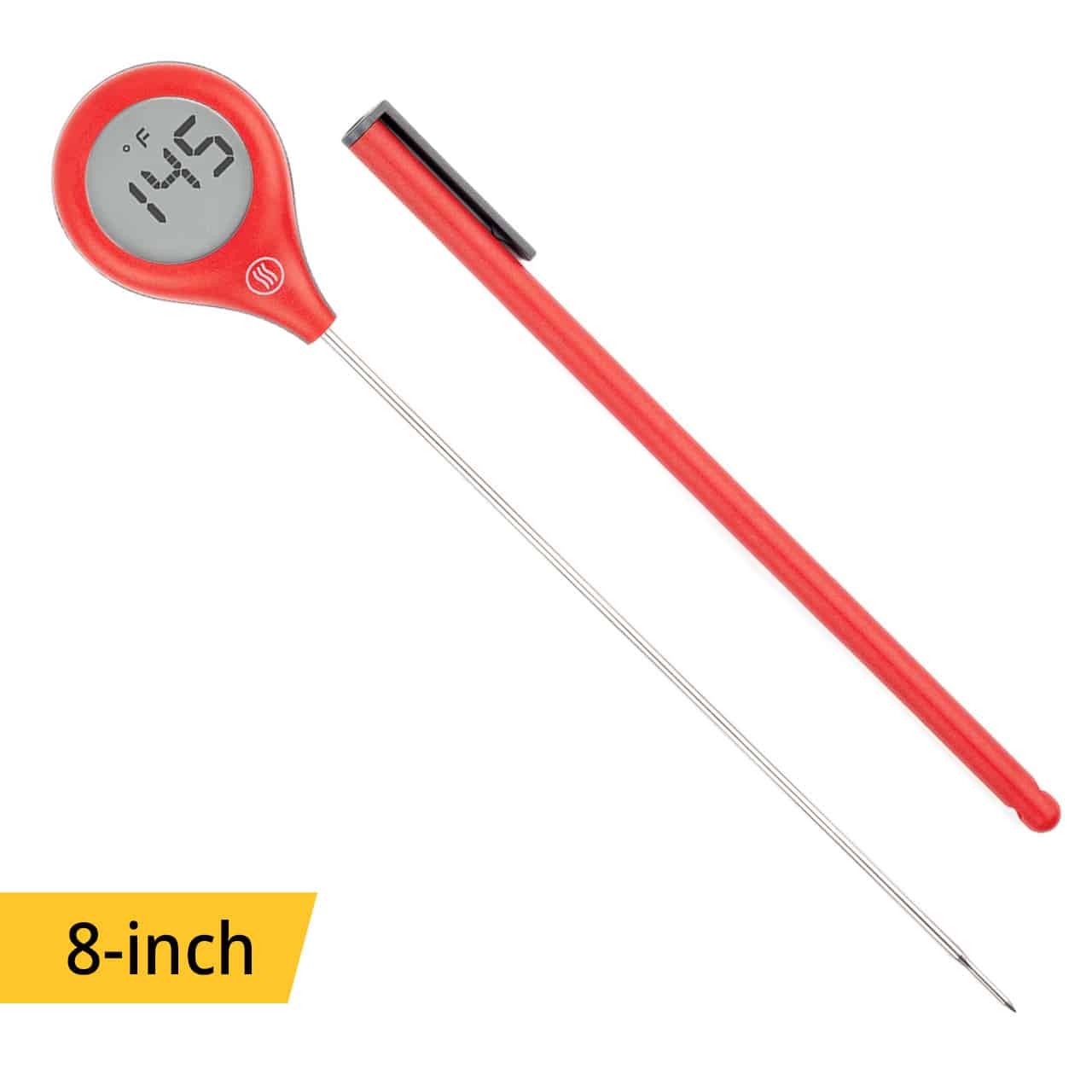
ThermoWorks ThermoPop 2
This is the thermometer I recommend when someone says, “I just want something that works.” ThermoPop 2 gives you fast, accurate readings without asking you to learn a new system or spend a small fortune. The screen is big and easy to read (even when you’re peeking into a hot oven), it works left- or right-handed, and it’s waterproof because kitchens are messy places. For everyday cooking, this one punches well above its price and handles nearly everything you’ll throw at it.

Best Upgrade Instant-Read
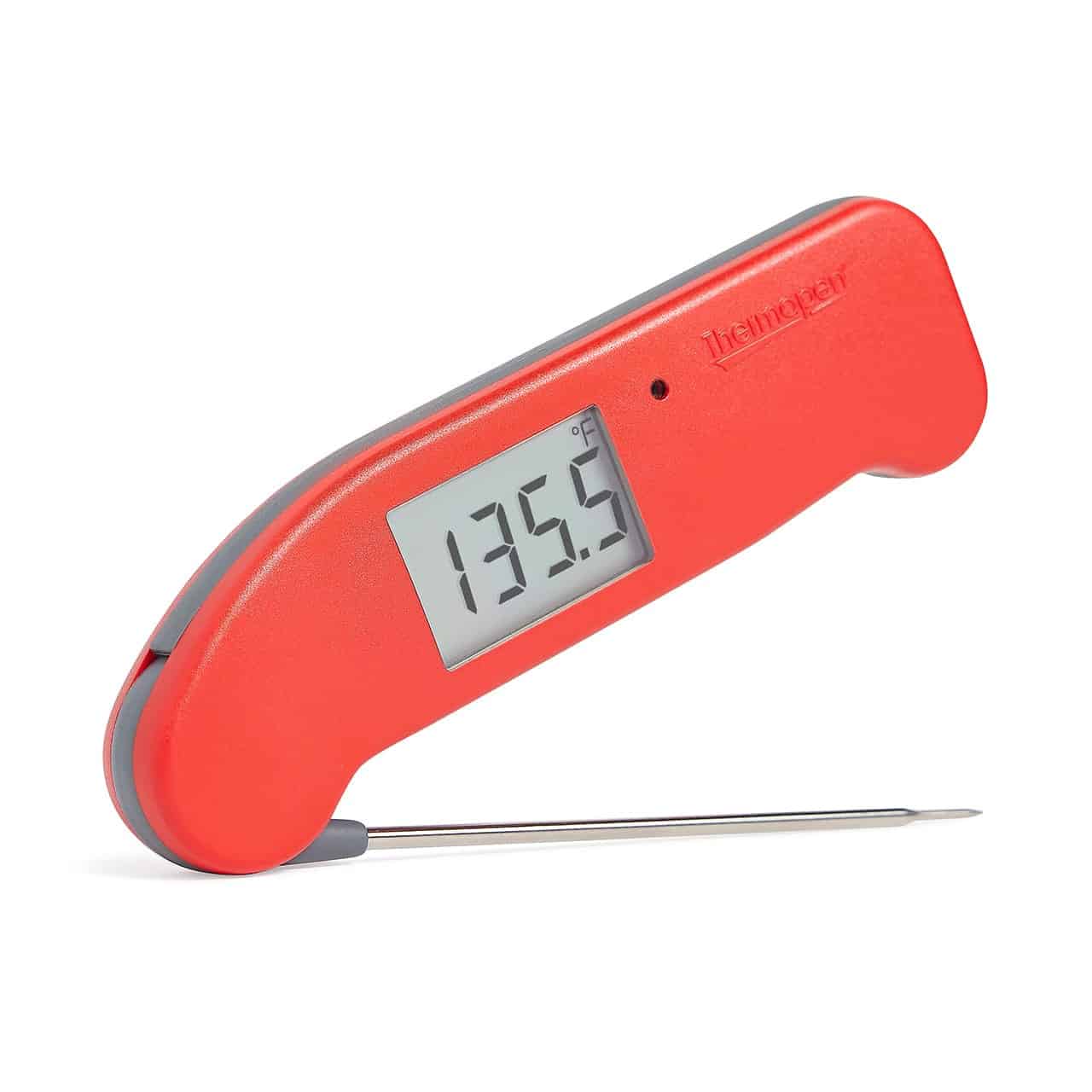
ThermoWorks Thermapen ONE
If cooking meat well matters to you and you’re tired of hovering and guessing this is the gold standard. Thermapen ONE gives you a full reading in about a second, which means no heat loss, no second-guessing, and no “just one more minute” mistakes. It’s incredibly accurate, wakes up the moment you pick it up, and fades into the background while you cook. This is the thermometer you buy once and use for years, especially when the cost of meat makes precision non-negotiable.
Best Alarm Thermometer
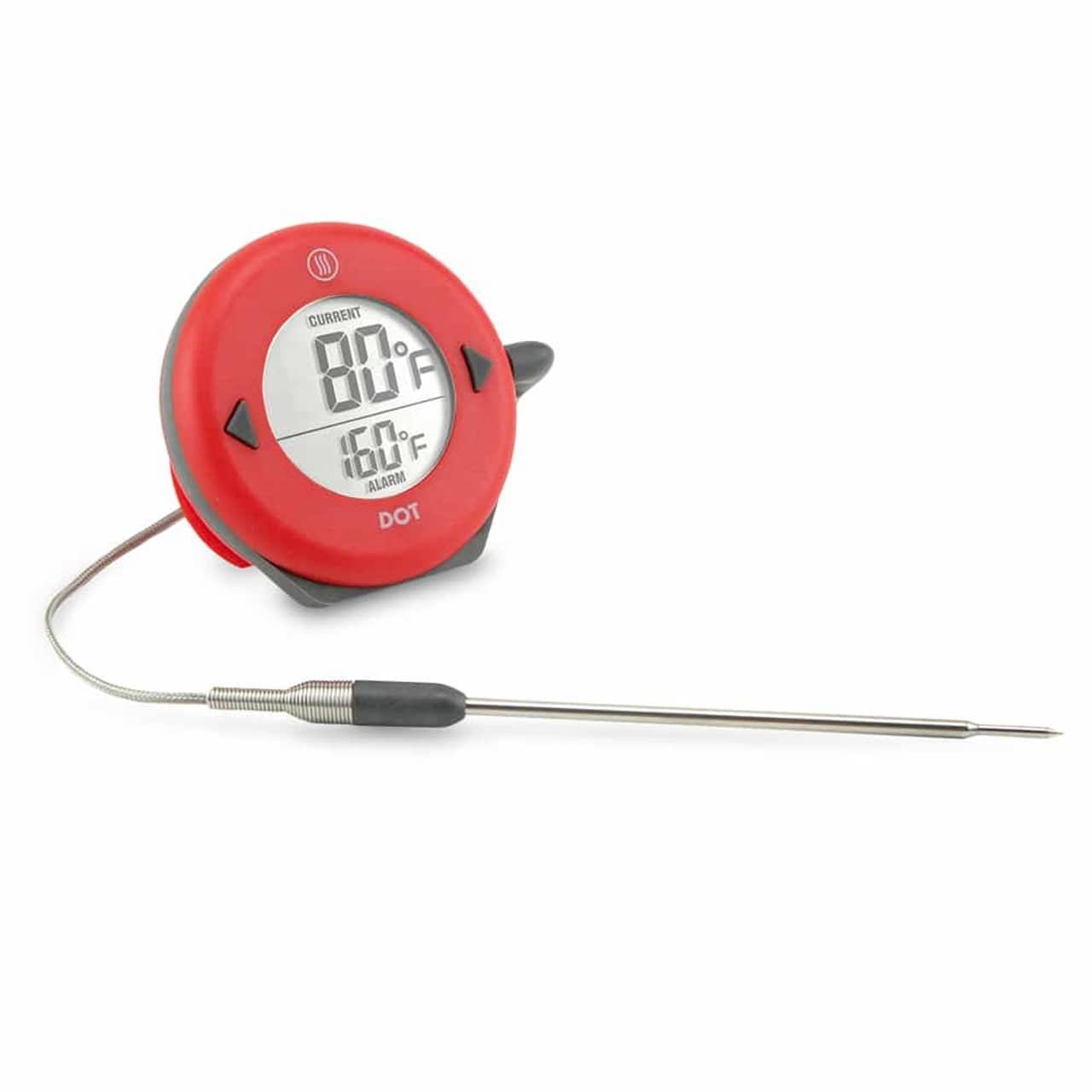
ThermoWorks DOT® Simple Alarm Thermometer
DOT is for the moments when you don’t want to babysit the oven or grill. Set your target temperature, insert the probe, and walk away. When your food hits the mark, DOT lets you know, loud and clear. No complicated programming, no preset doneness guesses, just your number and an alarm. It’s perfect for roasts, smoking, bread, or anything that needs steady monitoring over time. Simple, dependable, and refreshingly low-stress.
Together, these three cover just about every cooking situation without turning your kitchen into a gadget showroom. One quick check. One clear number. Dinner done right.
Question: What’s the one thing you always seem to overcook, no matter how careful you are? Don’t be shy… share your stories in the comments.
EverydayCheapskate™ is reader-supported. We participate in the Amazon Services LLC Associates Program and other affiliate advertising programs, designed to provide a means for us to earn from qualifying purchases, at no cost to you.

More from Everyday Cheapskate
 https://www.everydaycheapskate.com/wp-content/uploads/20261016-Crispy-potato-cakes-made-with-leftover-mashed-potatoes.png
800
1200
Mary Hunt
https://www.everydaycheapskate.com/wp-content/uploads/EC-Logo-by-Mary-Hunt-Tagline-Trimmed.png
Mary Hunt2026-10-16 15:54:382026-10-16 15:54:38Got Leftover Mashed Potatoes? Try These 5 Smart Ideas
https://www.everydaycheapskate.com/wp-content/uploads/20261016-Crispy-potato-cakes-made-with-leftover-mashed-potatoes.png
800
1200
Mary Hunt
https://www.everydaycheapskate.com/wp-content/uploads/EC-Logo-by-Mary-Hunt-Tagline-Trimmed.png
Mary Hunt2026-10-16 15:54:382026-10-16 15:54:38Got Leftover Mashed Potatoes? Try These 5 Smart Ideas https://www.everydaycheapskate.com/wp-content/uploads/20261015-Sweet-pepper-and-onion-relish-in-a-white-bowl-with-crackers-and-fresh-red-bell-peppers.png
800
1200
Mary Hunt
https://www.everydaycheapskate.com/wp-content/uploads/EC-Logo-by-Mary-Hunt-Tagline-Trimmed.png
Mary Hunt2026-10-15 13:14:022026-10-15 13:14:02Sweet Pepper Onion Relish (Perfect Over Cream Cheese)
https://www.everydaycheapskate.com/wp-content/uploads/20261015-Sweet-pepper-and-onion-relish-in-a-white-bowl-with-crackers-and-fresh-red-bell-peppers.png
800
1200
Mary Hunt
https://www.everydaycheapskate.com/wp-content/uploads/EC-Logo-by-Mary-Hunt-Tagline-Trimmed.png
Mary Hunt2026-10-15 13:14:022026-10-15 13:14:02Sweet Pepper Onion Relish (Perfect Over Cream Cheese) https://www.everydaycheapskate.com/wp-content/uploads/20261012-Woman-using-smartphone-while-checking-monthly-cellular-data-usage-on-laptop.png
800
1200
Mary Hunt
https://www.everydaycheapskate.com/wp-content/uploads/EC-Logo-by-Mary-Hunt-Tagline-Trimmed.png
Mary Hunt2026-10-12 10:51:112026-10-12 10:51:11Do You Really Need Unlimited Data? Check Before You Pay
https://www.everydaycheapskate.com/wp-content/uploads/20261012-Woman-using-smartphone-while-checking-monthly-cellular-data-usage-on-laptop.png
800
1200
Mary Hunt
https://www.everydaycheapskate.com/wp-content/uploads/EC-Logo-by-Mary-Hunt-Tagline-Trimmed.png
Mary Hunt2026-10-12 10:51:112026-10-12 10:51:11Do You Really Need Unlimited Data? Check Before You Pay https://www.everydaycheapskate.com/wp-content/uploads/20261006-prime-big-deal-days-have-landed.png
800
1200
Mary Hunt
https://www.everydaycheapskate.com/wp-content/uploads/EC-Logo-by-Mary-Hunt-Tagline-Trimmed.png
Mary Hunt2026-10-05 11:01:432026-10-07 09:02:53EC’s Top Picks from Amazon Prime Big Deal Days 2026
https://www.everydaycheapskate.com/wp-content/uploads/20261006-prime-big-deal-days-have-landed.png
800
1200
Mary Hunt
https://www.everydaycheapskate.com/wp-content/uploads/EC-Logo-by-Mary-Hunt-Tagline-Trimmed.png
Mary Hunt2026-10-05 11:01:432026-10-07 09:02:53EC’s Top Picks from Amazon Prime Big Deal Days 2026 https://www.everydaycheapskate.com/wp-content/uploads/20261002-cake-mix-chocolate-chip-cookies.png
800
1200
Mary Hunt
https://www.everydaycheapskate.com/wp-content/uploads/EC-Logo-by-Mary-Hunt-Tagline-Trimmed.png
Mary Hunt2026-10-02 19:44:302026-10-02 19:44:30Cake Mix Chocolate Chip Cookies That Taste Homemade
https://www.everydaycheapskate.com/wp-content/uploads/20261002-cake-mix-chocolate-chip-cookies.png
800
1200
Mary Hunt
https://www.everydaycheapskate.com/wp-content/uploads/EC-Logo-by-Mary-Hunt-Tagline-Trimmed.png
Mary Hunt2026-10-02 19:44:302026-10-02 19:44:30Cake Mix Chocolate Chip Cookies That Taste Homemade https://www.everydaycheapskate.com/wp-content/uploads/20260930-cheap-Halloween-party-snacks-for-kids-punch-bowl-mummy-dogs-ghost-bananas.png
800
1200
Mary Hunt
https://www.everydaycheapskate.com/wp-content/uploads/EC-Logo-by-Mary-Hunt-Tagline-Trimmed.png
Mary Hunt2026-10-01 11:08:582026-10-01 11:08:59These Cheap Halloween Snacks Are Almost Too Easy to Make
https://www.everydaycheapskate.com/wp-content/uploads/20260930-cheap-Halloween-party-snacks-for-kids-punch-bowl-mummy-dogs-ghost-bananas.png
800
1200
Mary Hunt
https://www.everydaycheapskate.com/wp-content/uploads/EC-Logo-by-Mary-Hunt-Tagline-Trimmed.png
Mary Hunt2026-10-01 11:08:582026-10-01 11:08:59These Cheap Halloween Snacks Are Almost Too Easy to Make https://www.everydaycheapskate.com/wp-content/uploads/20260927-impossible-lasagna-pie-recipe-with-wooden-serving-spoon-in-white-casserole-dish.png
800
1200
Mary Hunt
https://www.everydaycheapskate.com/wp-content/uploads/EC-Logo-by-Mary-Hunt-Tagline-Trimmed.png
Mary Hunt2026-09-28 09:38:592026-09-28 22:48:34Impossible Lasagna Pie: All the Flavor, None of the Noodles
https://www.everydaycheapskate.com/wp-content/uploads/20260927-impossible-lasagna-pie-recipe-with-wooden-serving-spoon-in-white-casserole-dish.png
800
1200
Mary Hunt
https://www.everydaycheapskate.com/wp-content/uploads/EC-Logo-by-Mary-Hunt-Tagline-Trimmed.png
Mary Hunt2026-09-28 09:38:592026-09-28 22:48:34Impossible Lasagna Pie: All the Flavor, None of the Noodles https://www.everydaycheapskate.com/wp-content/uploads/20260925-best-inexpensive-coffee-grinders-burr-manual-and-electric.png
800
1200
Mary Hunt
https://www.everydaycheapskate.com/wp-content/uploads/EC-Logo-by-Mary-Hunt-Tagline-Trimmed.png
Mary Hunt2026-09-25 11:06:342026-10-10 15:49:09The Best Coffee Grinder Upgrade That’s Actually Worth It
https://www.everydaycheapskate.com/wp-content/uploads/20260925-best-inexpensive-coffee-grinders-burr-manual-and-electric.png
800
1200
Mary Hunt
https://www.everydaycheapskate.com/wp-content/uploads/EC-Logo-by-Mary-Hunt-Tagline-Trimmed.png
Mary Hunt2026-09-25 11:06:342026-10-10 15:49:09The Best Coffee Grinder Upgrade That’s Actually Worth It https://www.everydaycheapskate.com/wp-content/uploads/20260922-chinese-chicken-in-slow-cooker-with-white-rice-recipe-with-sesame-seeds-and-scallions.png
800
1200
Mary Hunt
https://www.everydaycheapskate.com/wp-content/uploads/EC-Logo-by-Mary-Hunt-Tagline-Trimmed.png
Mary Hunt2026-09-22 10:13:562026-09-28 22:48:39Slow Cooker Chinese Chicken That Beats Takeout
https://www.everydaycheapskate.com/wp-content/uploads/20260922-chinese-chicken-in-slow-cooker-with-white-rice-recipe-with-sesame-seeds-and-scallions.png
800
1200
Mary Hunt
https://www.everydaycheapskate.com/wp-content/uploads/EC-Logo-by-Mary-Hunt-Tagline-Trimmed.png
Mary Hunt2026-09-22 10:13:562026-09-28 22:48:39Slow Cooker Chinese Chicken That Beats Takeout

I bought the Thermopop at Mary’s suggestion 10-12 years ago. It’s still going strong and looks brand new. I even got the red one a shown. It’s one of my favorite purchases ever!
Longtime ThermoPen user, boy did it up my game. Now own every one of your recommends – 1,2 & 3. The DOT works as a great candy or fry thermometer, too.
Boneless chicken breast is the big one at our house!! Too many times I’ve had overcooked chicken because my husbands worries about it being undercooked. I’m buying these thermometers tonight!
I agree that using a thermometer for meat, poultry and fish is life changing!
The folding type of thermometer is not the greatest design, however. Every one I’ve had has broken at the hinge, while the stick type just keeps going. I still have the same one I bought years ago.
I love Home Chef! I cook for only myself, so I get 2-person meals, cook one night, and eat the leftovers the next — and maybe the next, too, since they are large portions. I have never eaten so good! Yes, the directions do give meat temps to let you know when it’s done. I don’t have a thermometer, so I always just cook longer to make sure. I’m sure a lot of my meat is overdone. Thanks for the thermometer suggestions — I’ll check them out and get one!
I do the same! Cook for myself 3 times per week, and eat fabulous meals 6-7 days a week thanks to leftovers, and sometimes have some lunch because like you mentioned since the portions are so generous (especially pasta dishes)!