

7 Essential Tips for a Sparkling Clean Dishwasher


Ever wonder why your dishes come out gritty or cloudy? The culprit might not be your dishwasher but how you maintain and use it. Here are seven essential tips to learn how to clean your dishwasher and operate it for sparkling, spotless dishes every time. With a little know-how, you can extend the life of your clean dishwasher and improve its performance.
I would like to thank Josephine Cochrane of Illinois. I’d like to, but I can’t. She’s been dead for more than a century. But if I could I’d thank her for inventing the dishwasher. Personally, I’d give up just about anything but my dishwasher.
I’ll admit to being a stickler when it comes to properly washed dishes, glassware, and utensils. If they come out spotted, gritty, or cloudy I’m not happy. And if that happens, I know how to clean a dishwasher to get it back up to its tip-top operation.
Why a Clean Dishwasher Matters
If your dishwasher is not turning out beautifully clean, cloudless, spot-free, sparkling dishes, pots, glassware, and flatware—without handwashing them first—don’t assume the dishwasher is broken. If it runs, you can make sure it runs well by knowing how to clean a dishwasher. And you can stop that pre-washing!
Years ago before we remodeled and sold our home in California, I’d lived with a low-end, plain-wrap, well-used, 18-year old dishwasher. All was well until I began noticing that dishes came out feeling gritty, glasses were streaked and cloudy, food remained stuck to flatware. Ugh. It was really bad. I assumed my Tappan had lived out its useful life and deserved to be put down.
Not feeling up to a kitchen remodel right then (you know how that goes—new dishwasher cries for new cabinets, which means new countertops, which leads to new flooring), I set out to find a solution. I learned the problem wasn’t the dishwasher so much as the owner-operator.
For about nine bucks and a crash course in how to clean a dishwasher and keep it clean, I had good ol’ Tappan working like new in no time. And I didn’t resort to pre-rinsing. I still refuse to pre-rinse.
How to Perform a Monthly Acid Bath for Your Dishwasher
Just like a car, a dishwasher needs routine maintenance. Limescale, soap scum, iron, and grease build up inside every dishwasher. While you may see stains and other crud, much of it is hidden in the hoses and other out-of-sight places.
One of the best ways to clean a dishwasher is with a monthly “acid bath.” You can use unsweetened lemonade Kool-Aid, Tang powdered drink mix, citric acid, or commercial products like Glisten Dishwasher Magic Disinfectant & Cleaner and Affresh Dishwasher Cleaner, both containing citric acid.

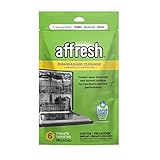
Glisten and Affresh safely and effectively remove limescale, iron, soap scum, grease, and food stains that build up inside the dishwasher. Unlike the drink powders, these products also kill 99.9% of germs and extends the life of your dishwasher while improving its cleaning performance.
If you use the drink powders, fill both detergent cups with Tang, or pour one package of the lemonade powder into each cup. Alternatively, use 2 tablespoons of citric acid in the detergent cup. Run the empty dishwasher through a complete cycle. If you opt for Dishwasher Magic or Affresh, follow the package directions.
I credit Glisten Dishwasher Magic with getting another six years of service out of that venerable Tappan dishwasher. Keeping a clean dishwasher is key to extending its life and ensuring spotless dishes every time.
The Importance of Water Temperature in Dishwashers
To effectively clean dirty dishes, your dishwasher needs water at 140°F. It must enter the dishwasher at that temperature to do its job properly. However, if you raise your water heater temperature, be cautious of the hotter water’s potential for scalding at sinks, showers, bathtubs, and in your washing machine. (You can install scald protection devices for children’s sinks and tubs.)
The single most important factor in getting good results is hot water. Water should enter the dishwasher at 140°F. If you have a newer dishwasher, it might have its own in-line water heater, so be sure to check your manual.
Pro Tip
Water in excess of 120°F can cause scalding in children and elderly adults. If your dishwasher doesn’t have its own heating device, take proper precautions by installing anti-scald devices or consider installing an in-line water heater for the dishwasher.
Choosing the Right Detergent for Your Dishwasher
Choosing the right detergent is key to maintaining a clean dishwasher and ensuring your dishes come out sparkling. While it’s tough to beat the Cascade lineup of powdered products, Costco and Walmart store brands come pretty darn close. However, gel detergents of any brand are troublesome and create more problems than they solve.
Gel detergents contain chlorine bleach, which never fully rinses off the interior tub, clogs the detergent dispenser, doesn’t work well in hard water, and leaves spots. In my opinion, you’re better off avoiding them altogether.
I recommend sticking with fresh powdered automatic dishwasher detergent, like Cascade Complete. Just remember, powdered detergent loses its cleaning power when exposed to humidity and air. Unless you’re a heavy user, don’t opt for the largest box of detergent and never store it under the sink, which is likely the most humid spot in the house.

Properly Loading Your Dishwasher for Best Results
Ensuring your dishwasher is loaded correctly is essential for achieving spotless dishes every time. If you don’t have your owner’s manual, don’t worry—just go online to get a copy. Search for your specific machine or visit a site like Kitchen Manuals Online. Take a close look at the diagrams provided. Trust me, there is a proper way to load a dishwasher, and failing to do so correctly will result in disappointing results.
Once loaded, double-check that all the moving parts can move freely. The spray arm should spin without hitting anything. Taking these extra steps ensures your dishwasher runs smoothly and efficiently, giving you perfectly clean dishes with every cycle. Keeping a clean dishwasher and loading it properly are the secrets to a hassle-free dishwashing experience.
The Truth About Pre-Rinsing Your Dishes
Let’s set the record straight: pre-rinsing your dishes before loading them into the dishwasher is unnecessary. While it may seem like a good idea to remove all the food chunks, it’s actually counterproductive.
Here’s why: automatic dishwasher detergent is highly alkaline and needs the acidity of the food to reach its optimum cleaning action. Plus, rinsing dishes wastes precious time, energy, and water.
So, instead of pre-rinsing, simply scrape off any food chunks and load your dishes directly into the dishwasher. Trust me, your dishwasher is designed to handle the job efficiently. Keeping a clean dishwasher means letting it do its job without unnecessary pre-rinsing.
Enhance Performance with Rinse Agents
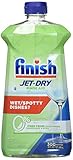
Let’s talk about rinse agents—a game-changer for achieving spotless dishes. Products like Finish Jet-Dry improve the sheeting action of water, leaving your dishes sparkling clean. However, they can be a bit pricey. Here’s a thrifty tip: white vinegar is a fantastic substitute. Simply fill your rinse additive dispenser with straight white vinegar. For an extra boost, occasionally toss in a cup of white vinegar during the last rinse cycle.
Save Water and Time with These Dishwasher Tips
Let’s talk efficiency! Did you know that running your dishwasher consumes far less water than handwashing? It takes between 6-10 gallons of water to run your dishwasher compared to a whopping 9-24 gallons when washing by hand. So, why not give yourself a break and let your dishwasher do the job Josephine intended for it to do?
By relying on your dishwasher, not only do you save water and time, but you also ensure a cleaner and more hygienic wash for your dishes.
Question: What’s your top dishwasher maintenance tip? Share your secrets to keeping dishes sparkling clean.
EverydayCheapskate™ is reader-supported. We participate in the Amazon Services LLC Associates Program and other affiliate advertising programs, designed to provide a means for us to earn from qualifying purchases, at no cost to you.

More from Everyday Cheapskate
 https://www.everydaycheapskate.com/wp-content/uploads/20261025-Simple-anti-aging-skincare-routine-with-cleanser-vitamin-C-moisturizer-and-sunscreen.png
800
1200
Mary Hunt
https://www.everydaycheapskate.com/wp-content/uploads/EC-Logo-by-Mary-Hunt-Tagline-Trimmed.png
Mary Hunt2026-10-25 17:06:382026-10-25 21:22:53A Simple Anti-Aging Skincare Routine That Makes Sense
https://www.everydaycheapskate.com/wp-content/uploads/20261025-Simple-anti-aging-skincare-routine-with-cleanser-vitamin-C-moisturizer-and-sunscreen.png
800
1200
Mary Hunt
https://www.everydaycheapskate.com/wp-content/uploads/EC-Logo-by-Mary-Hunt-Tagline-Trimmed.png
Mary Hunt2026-10-25 17:06:382026-10-25 21:22:53A Simple Anti-Aging Skincare Routine That Makes Sense https://www.everydaycheapskate.com/wp-content/uploads/20261024-A-cup-of-coffee-notebook-and-pen-on-a-table.png
800
1200
Mary Hunt
https://www.everydaycheapskate.com/wp-content/uploads/EC-Logo-by-Mary-Hunt-Tagline-Trimmed.png
Mary Hunt2026-10-24 13:13:592026-10-24 13:13:59What Is Frugal Living? It’s Probably Not What You Think
https://www.everydaycheapskate.com/wp-content/uploads/20261024-A-cup-of-coffee-notebook-and-pen-on-a-table.png
800
1200
Mary Hunt
https://www.everydaycheapskate.com/wp-content/uploads/EC-Logo-by-Mary-Hunt-Tagline-Trimmed.png
Mary Hunt2026-10-24 13:13:592026-10-24 13:13:59What Is Frugal Living? It’s Probably Not What You Think https://www.everydaycheapskate.com/wp-content/uploads/20261023-Paper-calendar-and-digital-calendar-on-a-smartphone-side-by-side.png
800
1200
Mary Hunt
https://www.everydaycheapskate.com/wp-content/uploads/EC-Logo-by-Mary-Hunt-Tagline-Trimmed.png
Mary Hunt2026-10-23 11:55:302026-10-23 11:55:30Paper or Digital Calendar? Turns Out, You May Need Both
https://www.everydaycheapskate.com/wp-content/uploads/20261023-Paper-calendar-and-digital-calendar-on-a-smartphone-side-by-side.png
800
1200
Mary Hunt
https://www.everydaycheapskate.com/wp-content/uploads/EC-Logo-by-Mary-Hunt-Tagline-Trimmed.png
Mary Hunt2026-10-23 11:55:302026-10-23 11:55:30Paper or Digital Calendar? Turns Out, You May Need Both https://www.everydaycheapskate.com/wp-content/uploads/20261019-Skeleton-with-sunglasses-in-closet.png
800
1200
Mary Hunt
https://www.everydaycheapskate.com/wp-content/uploads/EC-Logo-by-Mary-Hunt-Tagline-Trimmed.png
Mary Hunt2026-10-19 11:42:432026-10-19 11:42:4310 Easy Last-Minute Halloween Costumes From Your Closet
https://www.everydaycheapskate.com/wp-content/uploads/20261019-Skeleton-with-sunglasses-in-closet.png
800
1200
Mary Hunt
https://www.everydaycheapskate.com/wp-content/uploads/EC-Logo-by-Mary-Hunt-Tagline-Trimmed.png
Mary Hunt2026-10-19 11:42:432026-10-19 11:42:4310 Easy Last-Minute Halloween Costumes From Your Closet https://www.everydaycheapskate.com/wp-content/uploads/20261017-Woman-opening-refrigerator-stocked-with-fresh-food-and-condiments.png
800
1200
Mary Hunt
https://www.everydaycheapskate.com/wp-content/uploads/EC-Logo-by-Mary-Hunt-Tagline-Trimmed.png
Mary Hunt2026-10-17 12:16:242026-10-17 12:16:24What Temperature Should a Refrigerator and Freezer Be?
https://www.everydaycheapskate.com/wp-content/uploads/20261017-Woman-opening-refrigerator-stocked-with-fresh-food-and-condiments.png
800
1200
Mary Hunt
https://www.everydaycheapskate.com/wp-content/uploads/EC-Logo-by-Mary-Hunt-Tagline-Trimmed.png
Mary Hunt2026-10-17 12:16:242026-10-17 12:16:24What Temperature Should a Refrigerator and Freezer Be? https://www.everydaycheapskate.com/wp-content/uploads/20261015-Sweet-pepper-and-onion-relish-in-a-white-bowl-with-crackers-and-fresh-red-bell-peppers.png
800
1200
Mary Hunt
https://www.everydaycheapskate.com/wp-content/uploads/EC-Logo-by-Mary-Hunt-Tagline-Trimmed.png
Mary Hunt2026-10-15 13:14:022026-10-15 13:14:02Sweet Pepper Onion Relish (Perfect Over Cream Cheese)
https://www.everydaycheapskate.com/wp-content/uploads/20261015-Sweet-pepper-and-onion-relish-in-a-white-bowl-with-crackers-and-fresh-red-bell-peppers.png
800
1200
Mary Hunt
https://www.everydaycheapskate.com/wp-content/uploads/EC-Logo-by-Mary-Hunt-Tagline-Trimmed.png
Mary Hunt2026-10-15 13:14:022026-10-15 13:14:02Sweet Pepper Onion Relish (Perfect Over Cream Cheese) https://www.everydaycheapskate.com/wp-content/uploads/20261012-Woman-using-smartphone-while-checking-monthly-cellular-data-usage-on-laptop.png
800
1200
Mary Hunt
https://www.everydaycheapskate.com/wp-content/uploads/EC-Logo-by-Mary-Hunt-Tagline-Trimmed.png
Mary Hunt2026-10-12 10:51:112026-10-12 10:51:11Do You Really Need Unlimited Data? Check Before You Pay
https://www.everydaycheapskate.com/wp-content/uploads/20261012-Woman-using-smartphone-while-checking-monthly-cellular-data-usage-on-laptop.png
800
1200
Mary Hunt
https://www.everydaycheapskate.com/wp-content/uploads/EC-Logo-by-Mary-Hunt-Tagline-Trimmed.png
Mary Hunt2026-10-12 10:51:112026-10-12 10:51:11Do You Really Need Unlimited Data? Check Before You Pay https://www.everydaycheapskate.com/wp-content/uploads/20261011-Woman-Adjusting-Smart-Home-Device-on-the-Wall-how-to-lower-your-electric-bill.png
800
1200
Mary Hunt
https://www.everydaycheapskate.com/wp-content/uploads/EC-Logo-by-Mary-Hunt-Tagline-Trimmed.png
Mary Hunt2026-10-11 23:01:562026-10-11 23:01:56Stop Chasing Pennies on Your Electric Bill. Do This
https://www.everydaycheapskate.com/wp-content/uploads/20261011-Woman-Adjusting-Smart-Home-Device-on-the-Wall-how-to-lower-your-electric-bill.png
800
1200
Mary Hunt
https://www.everydaycheapskate.com/wp-content/uploads/EC-Logo-by-Mary-Hunt-Tagline-Trimmed.png
Mary Hunt2026-10-11 23:01:562026-10-11 23:01:56Stop Chasing Pennies on Your Electric Bill. Do This https://www.everydaycheapskate.com/wp-content/uploads/20261007-red-present-sitting-in-autumn-leaves-Amazon-Prime-Big-Deal-Days-gifts.png
800
1200
Mary Hunt
https://www.everydaycheapskate.com/wp-content/uploads/EC-Logo-by-Mary-Hunt-Tagline-Trimmed.png
Mary Hunt2026-10-06 23:09:432026-10-06 23:09:43Christmas Shopping in October? These Prime Day Gifts Make Sense
https://www.everydaycheapskate.com/wp-content/uploads/20261007-red-present-sitting-in-autumn-leaves-Amazon-Prime-Big-Deal-Days-gifts.png
800
1200
Mary Hunt
https://www.everydaycheapskate.com/wp-content/uploads/EC-Logo-by-Mary-Hunt-Tagline-Trimmed.png
Mary Hunt2026-10-06 23:09:432026-10-06 23:09:43Christmas Shopping in October? These Prime Day Gifts Make SensePlease keep your comments positive, encouraging, helpful, brief,
and on-topic in keeping with EC Commenting Guidelines
Last update on 2026-10-26 / Affiliate links / Images from Amazon Product Advertising API


My new dishwasher and my old one will occasionally leave an odor on the dishes. The filters are clean. I just pour vinegar in the dishwasher and let it sit for a while which takes care of it. Any suggestions?
You might have some gunk built up and hiding in the door seals. Carefully inspect and clean them out if needed. Also, if your outlet line isn’t properly looped, waste water can sit in the line and get pulled back into the washer when you run a load. Take a look and make sure everything is set up correctly.
Any suggestions on how to proceed with attempting to use a dishwasher that has not been used in more than 10 years? I would just use it (start and let it go) but don’t want to risk flooding the place and would rather not call a plumber. Thank you.
Replace all visible hoses!
What is your opinion about Cascade Platinum pods? I’ve been using them for several years along with powdered Lemi-Shine and get great results. Lemi-Shine also makes cleaners for the dishwasher, washing machine & garbage disposal. Please give us your thoughts….
Both are excellent
I agree with all the recommendations – especially cleaning the filter and trap. The first time I used my new dishwasher I was flabbergasted that a regular wash would take well over 2 hours. I normally start a run when I go to bed, so the amount of time wouldn’t matter, but when i ran it after a batch of baking or making jam, and wanted to get everything done and put away it was a bother. I played with various settings and found putting it on the Turbo cycle, and turning off the extra dry setting, gave me a wash and dry in 59 minutes. Ideal! The only downside is that plastic might still be wet, but I set them out on a towel and give them a wipe down. Doing this with my dishwasher was perfect. It also got me to take a look at my washing machine and begin using the Speed Wash cycle on it. Two time saving winners.
Can I use powdered citric acid that I use in canning? If so, would a tablespoon be sufficient?
Thank you so much for helping us to save money, resources, and the environment!
Yes … citric acid has many uses, and preserving food is one of them. Two tablespoons of citric acid in the detergent cup will do a great job of cleaning your dishwasher.
Any suggestions for dealing with VERY hard water? We have a sand well and learning to use this nice dishwasher is a challenge. Things are often coming out covered in a thin white coating, especially dark items or rubber items like my blender edges.
Do I use it with dirty dishes in the dishwasher and run it? Or empty?
You also need to clean the filters under the main bottom blade. Go to YouTube to find a video on how to do this for your particular model. The main trap was filled with gunk, so when I tried the steps above, my dishes still were not getting clean. I also was surprised to see most of the little holes in the spinning arms were also blocked, and I used a turkey skewer to pull out the blockages.
Two more suggestions. If buying a new dishwasher, choose one with a filter that’s easy to remove and rinse. Rinse filter once a month or so. Also, on my dishwasher I discovered there is a strip of the bottom of the dishwasher, where the door folds up into the machine, which becomes soiled and isn’t cleaned during the dishwashing process. At least once a month I take a damp paper towel and wipe the bottom front inner edge of the dishwasher (just inside the door.) I discovered this when the dishwasher had a bad odor that didn’t go away after using Afresh.
Mary, thanks for the great info on how to better use and maintain household appliances! I meant to wish you a birthday greeting yesterday and forgot to follow through- sometimes multi tasking is overrated! 🙂 I appreciate all of the work, research, and effort you put into EC!
How timely! I just purchased a dishwasher from a friend who is remodeling her kitchen, it works fine but not “like new”. I’m going to get lemonade on my way home! I suspect it will smell wonderful in addition to cleaning.
thank you!