
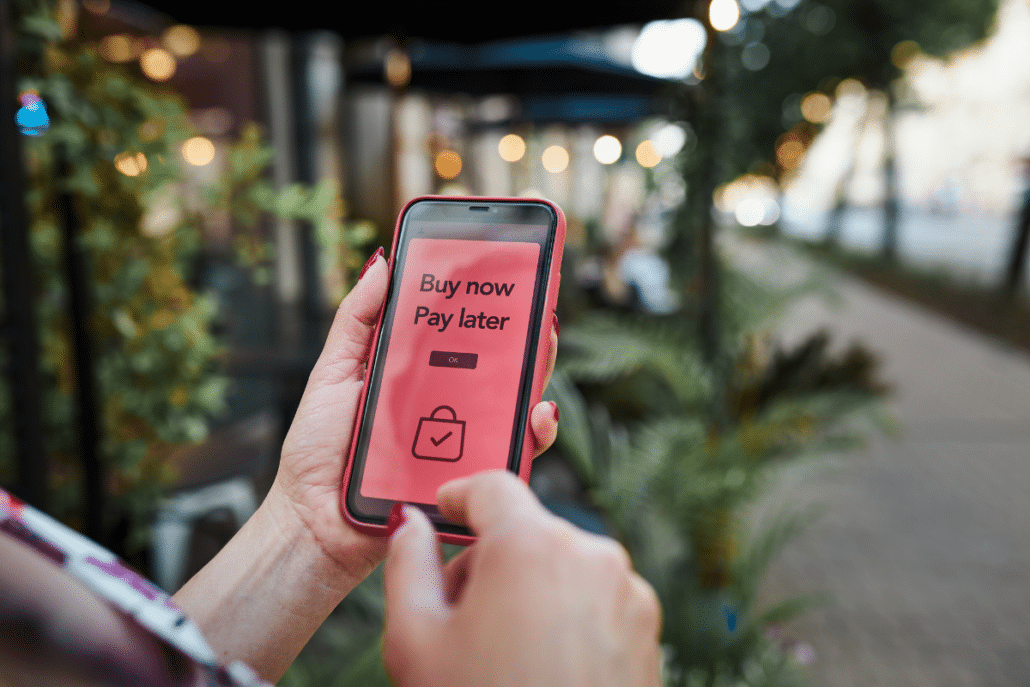
Is Buy Now Pay Later Risky? What the Data Reveals

Buy Now, Pay Later apps make splitting a purchase feel effortless… four tidy payments, no interest, no big deal. But the numbers tell a different story. Nearly half of BNPL users missed a payment last year. One in three is using it for groceries. And the rules around credit reporting are changing fast. Before you tap “split my payment” again, here’s what you actually need to know.
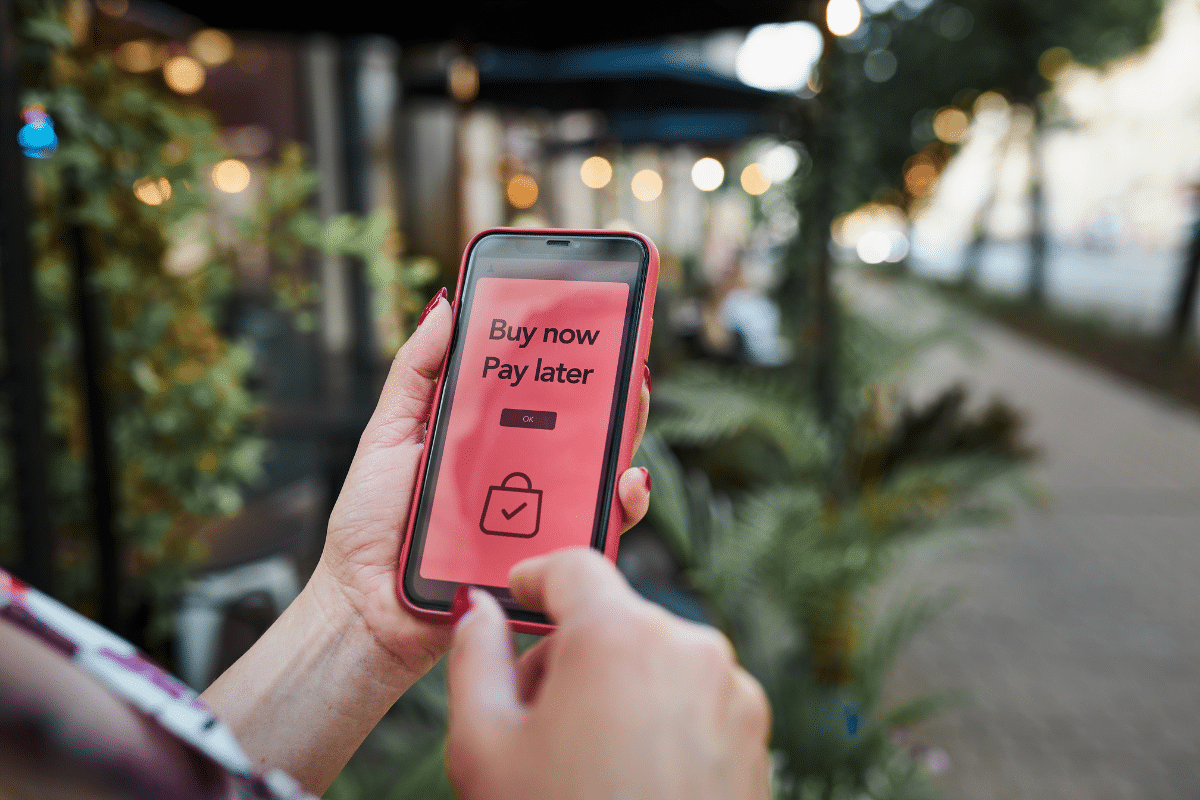
You’re standing at checkout. The total stares back at you. And right there, like a little financial angel tapping your shoulder, is the offer: Split this into four easy payments. No interest. No big deal.
Sounds like a win, right? Oh, friend.
Let’s Talk About What BNPL Actually Is
Buy Now, Pay Later, BNPL if you’re in a hurry, works exactly like it sounds. You buy something today, then pay it off in installments, usually four payments spread over six weeks. Most plans are interest-free. You don’t need great credit to get approved. It’s fast, it’s frictionless, and it’s everywhere.
Affirm. Klarna. Afterpay. PayPal Pay in 4. You’ve seen them. You’ve probably used one.
And look, I’m not here to tell you it’s always a trap. Sometimes spreading out a big purchase makes total sense. But “sometimes useful” and “harmless” aren’t the same thing. Not even close.
Here’s the Part Nobody’s Talking About
Ready for a number that stopped me cold? In the past year alone, the share of BNPL users making late payments jumped from 34% to 47%. Nearly half of people using these services missed a payment in the last 12 months. That’s not a quirk. That’s a pattern.
And here’s the one that really got me: 29% of BNPL users are now using it for groceries. Groceries. Two years ago, that number was 14%. It has more than doubled.
When people are financing their weekly Trader Joe’s run, something has shifted. This isn’t “I want that new sofa but I’d rather not drop $800 today.” This is people using short-term loans to eat. More than half of BNPL users (54%) say they couldn’t make ends meet without it.
That’s not a budgeting hack. That’s a warning sign.
Why It Feels So Different From Debt (But Isn’t)
Here’s the sneaky genius of BNPL: it doesn’t feel like going into debt. There’s no credit card. No interest rate glaring at you. No single big number to gulp over. Just four tidy little payments that seem totally manageable.
But you can take out multiple BNPL loans at the same time from different providers, on different purchases. And because none of them talk to each other, it’s easy to lose track of what you actually owe. Suddenly you’ve got a Klarna payment, an Afterpay payment, and an Affirm payment all due in the same week.
That’s debt. It’s just wearing a friendlier outfit.
The Credit Score Wildcard
Here’s something that’s changing fast: BNPL is starting to show up on your credit report. As of late 2025, FICO began incorporating BNPL data into credit scores. Some providers, Affirm, for one, are already reporting to the major credit bureaus. Others say they won’t. The rules are still being written, and honestly, nobody fully knows yet how this will shake out.
What that means for you: that “no credit check, no consequences” promise? It may not hold up much longer. A string of late payments on your BNPL loans could eventually affect your ability to get a mortgage, a car loan, or a credit card.
Future you deserves to know that.
So When Does It Actually Make Sense?
I’m not going to pretend BNPL is always a villain. If you’re buying something you’d genuinely buy anyway, a specific thing you’ve budgeted for and you want to smooth out the cash flow without paying interest, fine. That can work.
The questions worth asking first:
- Would I buy this if I had to pay for it all today? If the answer is no, the installment plan isn’t making it affordable. It’s making you feel like it is. Different thing.
- Do I know exactly when each payment hits? Because life doesn’t wait for your payment schedule. Missed payments mean fees. Some providers charge up to $10 per failed payment. That “free” financing just got expensive.
- Am I already carrying other BNPL loans? If you’re juggling more than one, that’s worth pausing over.
If You Need Breathing Room, Here’s What Else Exists
I hear you. When money is tight, “just don’t spend it” isn’t advice… it’s a lecture. So let me tell you what I’ve spent decades teaching instead.
The answer to “I need a little financial cushion” isn’t another loan. It’s a Freedom Account.
Here’s the idea: every month, you set aside small amounts for the irregular expenses you know are coming. Think: car repairs, a medical copay, the annual insurance bill. They’re not surprises. They just feel like surprises because we haven’t planned for them. A Freedom Account changes that. When the unexpected hits, you already have the money.
The same goes for building even a small Contingency Fund, a starter emergency savings cushion that keeps a crisis from turning into a debt spiral. Even a few hundred dollars changes everything about how a financial curveball feels.
Neither of these happens overnight. But they’re the tools that actually break the cycle instead of just making today’s problem feel slightly more manageable while quietly making tomorrow’s worse.
That’s the difference between a tool that helps you and one that just feels like it does.
The Bottom Line (Because I Know You’re Busy)
BNPL can be convenient. It’s also, at scale, becoming a pretty good indicator of how stretched a lot of households are right now and a way for that stretch to quietly get worse.
The companies behind these apps are smart. The checkout experience is designed to feel like a no-brainer. And that’s exactly why it’s worth slowing down for one second and asking: is this actually helping me, or just helping me feel better about spending money I don’t have yet?
You know your budget better than any app does.
Trust that.
Question: Got thoughts on BNPL? Have you used it and loved it or learned a hard lesson? I’d love to hear from you in the comments.

More from Everyday Cheapskate
 https://www.everydaycheapskate.com/wp-content/uploads/20260914-101010-rule-gold-numbers-on-teal-background.png
800
1200
Mary Hunt
https://www.everydaycheapskate.com/wp-content/uploads/EC-Logo-by-Mary-Hunt-Tagline-Trimmed.png
Mary Hunt2026-09-14 11:31:532026-09-14 11:31:53The 10/10/10 Rule Every Overthinker Needs to Try Today
https://www.everydaycheapskate.com/wp-content/uploads/20260914-101010-rule-gold-numbers-on-teal-background.png
800
1200
Mary Hunt
https://www.everydaycheapskate.com/wp-content/uploads/EC-Logo-by-Mary-Hunt-Tagline-Trimmed.png
Mary Hunt2026-09-14 11:31:532026-09-14 11:31:53The 10/10/10 Rule Every Overthinker Needs to Try Today https://www.everydaycheapskate.com/wp-content/uploads/20260909-annualize-your-spending.png
800
1200
Mary Hunt
https://www.everydaycheapskate.com/wp-content/uploads/EC-Logo-by-Mary-Hunt-Tagline-Trimmed.png
Mary Hunt2026-09-08 20:17:552026-09-08 20:17:57Annualize Your Spending: See What It Really Costs You
https://www.everydaycheapskate.com/wp-content/uploads/20260909-annualize-your-spending.png
800
1200
Mary Hunt
https://www.everydaycheapskate.com/wp-content/uploads/EC-Logo-by-Mary-Hunt-Tagline-Trimmed.png
Mary Hunt2026-09-08 20:17:552026-09-08 20:17:57Annualize Your Spending: See What It Really Costs You https://www.everydaycheapskate.com/wp-content/uploads/20260906-best-can-openers-manual-electric-luxury.png
800
1200
Mary Hunt
https://www.everydaycheapskate.com/wp-content/uploads/EC-Logo-by-Mary-Hunt-Tagline-Trimmed.png
Mary Hunt2026-09-06 18:07:432026-09-06 18:10:39The Best Can Openers That Actually Work (And Won’t Quit on You)
https://www.everydaycheapskate.com/wp-content/uploads/20260906-best-can-openers-manual-electric-luxury.png
800
1200
Mary Hunt
https://www.everydaycheapskate.com/wp-content/uploads/EC-Logo-by-Mary-Hunt-Tagline-Trimmed.png
Mary Hunt2026-09-06 18:07:432026-09-06 18:10:39The Best Can Openers That Actually Work (And Won’t Quit on You) https://www.everydaycheapskate.com/wp-content/uploads/20260905-college-student-credit-card-debt-male.png
800
1200
Mary Hunt
https://www.everydaycheapskate.com/wp-content/uploads/EC-Logo-by-Mary-Hunt-Tagline-Trimmed.png
Mary Hunt2026-09-05 11:26:562026-09-05 11:36:10Should You Bail Your College Kid Out of Credit Card Debt?
https://www.everydaycheapskate.com/wp-content/uploads/20260905-college-student-credit-card-debt-male.png
800
1200
Mary Hunt
https://www.everydaycheapskate.com/wp-content/uploads/EC-Logo-by-Mary-Hunt-Tagline-Trimmed.png
Mary Hunt2026-09-05 11:26:562026-09-05 11:36:10Should You Bail Your College Kid Out of Credit Card Debt? https://www.everydaycheapskate.com/wp-content/uploads/20260828-choice-overload-man-resting-head-on-table.png
800
1200
Mary Hunt
https://www.everydaycheapskate.com/wp-content/uploads/EC-Logo-by-Mary-Hunt-Tagline-Trimmed.png
Mary Hunt2026-08-28 10:57:162026-08-28 10:57:16How to Escape the Tyranny of Too Many Choices
https://www.everydaycheapskate.com/wp-content/uploads/20260828-choice-overload-man-resting-head-on-table.png
800
1200
Mary Hunt
https://www.everydaycheapskate.com/wp-content/uploads/EC-Logo-by-Mary-Hunt-Tagline-Trimmed.png
Mary Hunt2026-08-28 10:57:162026-08-28 10:57:16How to Escape the Tyranny of Too Many Choices https://www.everydaycheapskate.com/wp-content/uploads/20260827-how-to-fly-cheaper-airplane-in-the-bright-blue-sky-above-the-clouds.png
800
1200
Mary Hunt
https://www.everydaycheapskate.com/wp-content/uploads/EC-Logo-by-Mary-Hunt-Tagline-Trimmed.png
Mary Hunt2026-08-27 11:35:132026-08-27 11:35:13How to Fly Cheaper: 8 Booking Tricks Airlines Won’t Teach You
https://www.everydaycheapskate.com/wp-content/uploads/20260827-how-to-fly-cheaper-airplane-in-the-bright-blue-sky-above-the-clouds.png
800
1200
Mary Hunt
https://www.everydaycheapskate.com/wp-content/uploads/EC-Logo-by-Mary-Hunt-Tagline-Trimmed.png
Mary Hunt2026-08-27 11:35:132026-08-27 11:35:13How to Fly Cheaper: 8 Booking Tricks Airlines Won’t Teach You https://www.everydaycheapskate.com/wp-content/uploads/20260824-house-rules-for-adult-children.png
800
1200
Mary Hunt
https://www.everydaycheapskate.com/wp-content/uploads/EC-Logo-by-Mary-Hunt-Tagline-Trimmed.png
Mary Hunt2026-08-24 12:21:382026-08-24 12:23:50House Rules for Adult Children Living at Home (Without Losing Your Mind or Your Garage)
https://www.everydaycheapskate.com/wp-content/uploads/20260824-house-rules-for-adult-children.png
800
1200
Mary Hunt
https://www.everydaycheapskate.com/wp-content/uploads/EC-Logo-by-Mary-Hunt-Tagline-Trimmed.png
Mary Hunt2026-08-24 12:21:382026-08-24 12:23:50House Rules for Adult Children Living at Home (Without Losing Your Mind or Your Garage) https://www.everydaycheapskate.com/wp-content/uploads/20260823-affluence-more-money-isnt-the-answer-man-holding-dollar-bills.png
800
1200
Mary Hunt
https://www.everydaycheapskate.com/wp-content/uploads/EC-Logo-by-Mary-Hunt-Tagline-Trimmed.png
Mary Hunt2026-08-23 18:23:072026-08-23 18:23:09More Money Isn’t the Answer. I Know Because I Tried It.
https://www.everydaycheapskate.com/wp-content/uploads/20260823-affluence-more-money-isnt-the-answer-man-holding-dollar-bills.png
800
1200
Mary Hunt
https://www.everydaycheapskate.com/wp-content/uploads/EC-Logo-by-Mary-Hunt-Tagline-Trimmed.png
Mary Hunt2026-08-23 18:23:072026-08-23 18:23:09More Money Isn’t the Answer. I Know Because I Tried It. https://www.everydaycheapskate.com/wp-content/uploads/20260817-thrift-store-sign-with-blue-cloudy-sky-in-background.png
800
1200
Mary Hunt
https://www.everydaycheapskate.com/wp-content/uploads/EC-Logo-by-Mary-Hunt-Tagline-Trimmed.png
Mary Hunt2026-08-17 09:17:472026-08-17 09:17:47The Donation Box Mistakes Thrift Stores Wish We’d Skip
https://www.everydaycheapskate.com/wp-content/uploads/20260817-thrift-store-sign-with-blue-cloudy-sky-in-background.png
800
1200
Mary Hunt
https://www.everydaycheapskate.com/wp-content/uploads/EC-Logo-by-Mary-Hunt-Tagline-Trimmed.png
Mary Hunt2026-08-17 09:17:472026-08-17 09:17:47The Donation Box Mistakes Thrift Stores Wish We’d Skip

BNPL has helped me in so many ways! Especially when I needed to fly out of town to check on my family during a crisis. Although the interest rates are astronomical, it worked well for me.
Yes, it can be a valuable tool. The key is to fully understand what you’re signing up for and only use it when it make sense for your situation.