

How to Break Bad Money Habits for Good


Money stress doesn’t usually come from one giant mistake. It sneaks in through tiny, repeated habits we barely notice. Swiping without thinking. Waiting to save “whatever’s left.” Carrying a balance just one more month. The encouraging part? Habits can be retrained. You don’t need a financial overhaul or a complicated system. You need a few small, repeatable actions that work in real life.

Money a little tight these days? It’s easy to blame rising prices, higher insurance premiums, interest rates that won’t sit still, or the feeling that your paycheck hasn’t kept up. And yes, affordability is a real issue right now.
But if your basic needs are being met and you’re still feeling constant financial pressure, the problem is often closer to home. Not dramatic mistakes. Not one big blow-up. Just small money habits repeated so often they feel normal.
That’s how habits work. They slip into autopilot.
A swipe here. A subscription there. Carrying a balance “just this month.” Waiting to save until there’s extra… which somehow never appears.
Here’s the hopeful part: habits are learned. And anything learned can be replaced.
You don’t need a new personality. You don’t need a complicated financial system. You need awareness, followed by repetition. Stop the old behavior. Replace it with a better one. Repeat it until the new response feels automatic. That’s it.
And this matters more than ever. A recent report found the typical U.S. worker has just $955 saved for retirement. That number isn’t meant to scare you but it should wake us up. Financial peace isn’t built with giant heroic moves. It’s built with steady, unglamorous habits that protect your future self.
Let’s start with the first and most powerful habit to fix.
How to Break Bad Money Habits with a Simple Spending Plan
Spending money without a plan has to be the mother of all bad money habits. It’s like driving blindfolded. You don’t know where you are, you can’t see where you’re going, and you have no idea when to hit the brakes.
A spending plan removes the blindfold.
Pre-spending your paycheck on paper (yes, on paper if that’s your style!) or in a simple digital tracker lets you tell your money where to go before it disappears on you.
Without a plan, money leaks. Subscriptions renew quietly. Groceries creep up. One-click purchases feel harmless. A few taps later, the paycheck is gone and you’re wondering what happened.
A simple spending plan answers three powerful questions:
- What must be paid?
- What matters most?
- What’s left for everything else?
That’s it.
Start with your take-home pay. List fixed expenses first: housing, utilities, insurance, debt payments. Then variable categories like groceries, gas, eating out, and personal spending. Finally, assign money to savings before you assign it to convenience.
If you prefer old-school control, use a notebook or printable worksheet. If you like automation, use a basic budgeting app or spreadsheet. The tool doesn’t matter nearly as much as the habit of deciding in advance.
And here’s something many people miss: your spending plan should reflect your real life, not some idealized version of it. If takeout on Friday keeps you sane after a long week, include it. If travel or experiences matter deeply to you, fund them on purpose. A plan that ignores your values won’t last.
Why Paying with Plastic Encourages Overspending
Depending on plastic (and I’m talking about both debit and credit cards) to cover your day-to-day spending might be convenient, but it quietly builds a bad habit.
When you swipe, tap, or click, nothing leaves your hand. There’s no physical separation from your money. No pause. No friction. And that tiny gap between spending and feeling it is where overspending lives.
You stop noticing how much you’re spending because it doesn’t feel like spending. Digital payments are efficient. They’re fast. They’re easy. But easy spending is still spending. And here’s the real issue: convenience weakens awareness.
When everything is automated, it’s possible to look productive and responsible while money leaks out in small, forgettable amounts. Until it adds up.
This isn’t about demonizing technology. Use it. Just don’t let it use you.
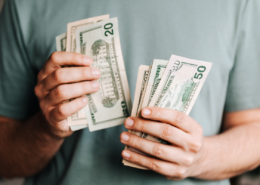
If you want to reset your awareness, try this: figure out how much cash you’ll need for the day (or week), and put that amount in your wallet. When the cash is gone, spending stops.
If going fully cash feels unrealistic, start smaller:
- Use cash for discretionary categories like dining out or entertainment.
- Move your debit and credit cards to a less convenient place in your wallet or bag.
- Remove saved card numbers from online retailers.
- Turn off one-click purchasing.
The goal isn’t to make life harder. It’s to make spending visible again.
How to Stop Rolling a Credit Card Balance
Credit card issuers know something most people don’t want to admit: The moment you cross the line from “I use this card” to “I can’t pay this off in full,” the relationship changes. Once you carry a balance, you’ve entered their profit zone. Now you’re paying interest month after month and sometimes on purchases you made 30, 60, or 90 days ago. That’s not convenience. That’s expensive borrowing.
If you cannot pay the entire balance in a single month, you’re living beyond your current means. Rolling a balance keeps you financially reactive. You’re always paying for yesterday instead of building tomorrow. And that’s exhausting.
You cannot get out of a hole while you’re still digging. Make it impossible or at least highly inconvenient to use the card until the balance is paid in full. Don’t close the account (that can hurt your credit score). Remove the card from your wallet. Delete it from online retailers. Turn off autofill and one-click payments. Put it somewhere inconvenient, or yes, freeze it in a block of ice if that’s what it takes. Then start paying down the balance as rapidly as possible.
The “Pay Yourself First” Rule That Builds Savings Fast
It might seem logical to pay all your bills first and then see what’s left for savings. It’s also a guaranteed way to end up with nothing left. If you wait to save “whatever’s left,” savings becomes optional. And optional things don’t survive busy lives, rising costs, surprise expenses, or impulse decisions.
If you want savings to grow, it cannot be an afterthought. It has to be a priority. Right now, everyone else gets paid first: the mortgage company, the car lender, the utilities, the credit card company
You? You get leftovers. Flip that. Treat yourself as your most important creditor. Make it real. Create a line item in your spending plan labeled “Pay Myself.” Set up an automatic transfer the day your paycheck hits. Move “Myself” to the front of the line.
The very first bill you pay each month should be to you. Even if it’s only $25, or even $10… start there. The amount matters less than the repetition. When saving becomes automatic, it stops requiring willpower. You’re not deciding each month whether to save. It just happens.
Small Financial Habits That Compound Over Time
Most people think financial change requires a dramatic overhaul. It doesn’t. It requires small decisions repeated consistently.
Spending with a plan. Using credit strategically, not emotionally. Paying yourself first. Creating friction where you tend to overspend. None of these habits are flashy. They won’t impress anyone at dinner. They won’t go viral. But they compound.
A small monthly savings deposit becomes a solid emergency fund. A paid-off credit card becomes financial breathing room. Intentional spending becomes confidence.
Over time, those quiet habits build something powerful: control. And control builds freedom.
Question: What’s one small money habit you changed that made a bigger difference than you expected?
EverydayCheapskate™ is reader-supported. We participate in the Amazon Services LLC Associates Program and other affiliate advertising programs, designed to provide a means for us to earn from qualifying purchases, at no cost to you.

More from Everyday Cheapskate
 https://www.everydaycheapskate.com/wp-content/uploads/20260823-affluence-more-money-isnt-the-answer-man-holding-dollar-bills.png
800
1200
Mary Hunt
https://www.everydaycheapskate.com/wp-content/uploads/EC-Logo-by-Mary-Hunt-Tagline-Trimmed.png
Mary Hunt2026-08-23 18:23:072026-08-23 18:23:09More Money Isn’t the Answer. I Know Because I Tried It.
https://www.everydaycheapskate.com/wp-content/uploads/20260823-affluence-more-money-isnt-the-answer-man-holding-dollar-bills.png
800
1200
Mary Hunt
https://www.everydaycheapskate.com/wp-content/uploads/EC-Logo-by-Mary-Hunt-Tagline-Trimmed.png
Mary Hunt2026-08-23 18:23:072026-08-23 18:23:09More Money Isn’t the Answer. I Know Because I Tried It. https://www.everydaycheapskate.com/wp-content/uploads/20260815-how-to-water-your-lawn-without-wasting-money.png
800
1200
Mary Hunt
https://www.everydaycheapskate.com/wp-content/uploads/EC-Logo-by-Mary-Hunt-Tagline-Trimmed.png
Mary Hunt2026-08-15 12:45:022026-08-15 12:45:02How to Water Your Lawn Without Wasting Money This Summer
https://www.everydaycheapskate.com/wp-content/uploads/20260815-how-to-water-your-lawn-without-wasting-money.png
800
1200
Mary Hunt
https://www.everydaycheapskate.com/wp-content/uploads/EC-Logo-by-Mary-Hunt-Tagline-Trimmed.png
Mary Hunt2026-08-15 12:45:022026-08-15 12:45:02How to Water Your Lawn Without Wasting Money This Summer https://www.everydaycheapskate.com/wp-content/uploads/20260813-real-hourly-wage-for-a-second-income.png
800
1200
Mary Hunt
https://www.everydaycheapskate.com/wp-content/uploads/EC-Logo-by-Mary-Hunt-Tagline-Trimmed.png
Mary Hunt2026-08-13 21:16:562026-08-13 21:18:10What’s the Real Hourly Wage of Your Second Income Job?
https://www.everydaycheapskate.com/wp-content/uploads/20260813-real-hourly-wage-for-a-second-income.png
800
1200
Mary Hunt
https://www.everydaycheapskate.com/wp-content/uploads/EC-Logo-by-Mary-Hunt-Tagline-Trimmed.png
Mary Hunt2026-08-13 21:16:562026-08-13 21:18:10What’s the Real Hourly Wage of Your Second Income Job? https://www.everydaycheapskate.com/wp-content/uploads/20260810-woman-holding-a-fan-of-money-dollar-bills-smiling-moneymaxxing.png
800
1200
Mary Hunt
https://www.everydaycheapskate.com/wp-content/uploads/EC-Logo-by-Mary-Hunt-Tagline-Trimmed.png
Mary Hunt2026-08-09 15:29:412026-08-09 15:29:41Moneymaxxing? Honey, I’ve Been Doing That Since Before It Had a Name
https://www.everydaycheapskate.com/wp-content/uploads/20260810-woman-holding-a-fan-of-money-dollar-bills-smiling-moneymaxxing.png
800
1200
Mary Hunt
https://www.everydaycheapskate.com/wp-content/uploads/EC-Logo-by-Mary-Hunt-Tagline-Trimmed.png
Mary Hunt2026-08-09 15:29:412026-08-09 15:29:41Moneymaxxing? Honey, I’ve Been Doing That Since Before It Had a Name https://www.everydaycheapskate.com/wp-content/uploads/20260805-back-to-school-supplies-how-to-save-find-deals-discounts.png
800
1200
Mary Hunt
https://www.everydaycheapskate.com/wp-content/uploads/EC-Logo-by-Mary-Hunt-Tagline-Trimmed.png
Mary Hunt2026-08-05 12:02:592026-08-05 12:02:59How to Save Money on School Supplies (Beyond Just the List)
https://www.everydaycheapskate.com/wp-content/uploads/20260805-back-to-school-supplies-how-to-save-find-deals-discounts.png
800
1200
Mary Hunt
https://www.everydaycheapskate.com/wp-content/uploads/EC-Logo-by-Mary-Hunt-Tagline-Trimmed.png
Mary Hunt2026-08-05 12:02:592026-08-05 12:02:59How to Save Money on School Supplies (Beyond Just the List) https://www.everydaycheapskate.com/wp-content/uploads/20260803-contentment-want-what-you-have.png
800
1200
Mary Hunt
https://www.everydaycheapskate.com/wp-content/uploads/EC-Logo-by-Mary-Hunt-Tagline-Trimmed.png
Mary Hunt2026-08-03 17:43:152026-08-03 17:45:13Want What You Have: How to Find Real Contentment Now
https://www.everydaycheapskate.com/wp-content/uploads/20260803-contentment-want-what-you-have.png
800
1200
Mary Hunt
https://www.everydaycheapskate.com/wp-content/uploads/EC-Logo-by-Mary-Hunt-Tagline-Trimmed.png
Mary Hunt2026-08-03 17:43:152026-08-03 17:45:13Want What You Have: How to Find Real Contentment Now https://www.everydaycheapskate.com/wp-content/uploads/20260731-young-girl-holding-brand-new-bulldog-puppy.png
800
1200
Mary Hunt
https://www.everydaycheapskate.com/wp-content/uploads/EC-Logo-by-Mary-Hunt-Tagline-Trimmed.png
Mary Hunt2026-07-31 17:40:122026-07-31 17:40:12How Much Does It Really Cost to Adopt a Pet Today?
https://www.everydaycheapskate.com/wp-content/uploads/20260731-young-girl-holding-brand-new-bulldog-puppy.png
800
1200
Mary Hunt
https://www.everydaycheapskate.com/wp-content/uploads/EC-Logo-by-Mary-Hunt-Tagline-Trimmed.png
Mary Hunt2026-07-31 17:40:122026-07-31 17:40:12How Much Does It Really Cost to Adopt a Pet Today? https://www.everydaycheapskate.com/wp-content/uploads/20260727-how-to-negotiate-returns-for-purchases-woman-holding-long-receipt.png
800
1200
Mary Hunt
https://www.everydaycheapskate.com/wp-content/uploads/EC-Logo-by-Mary-Hunt-Tagline-Trimmed.png
Mary Hunt2026-07-27 18:23:222026-07-27 18:23:22How to Get a Refund on Almost Anything: 5 Consumer Rights You Should Know
https://www.everydaycheapskate.com/wp-content/uploads/20260727-how-to-negotiate-returns-for-purchases-woman-holding-long-receipt.png
800
1200
Mary Hunt
https://www.everydaycheapskate.com/wp-content/uploads/EC-Logo-by-Mary-Hunt-Tagline-Trimmed.png
Mary Hunt2026-07-27 18:23:222026-07-27 18:23:22How to Get a Refund on Almost Anything: 5 Consumer Rights You Should Know https://www.everydaycheapskate.com/wp-content/uploads/20260717-how-to-read-your-water-bill-sprinklers-on-a-residential-lawn.png
800
1200
Mary Hunt
https://www.everydaycheapskate.com/wp-content/uploads/EC-Logo-by-Mary-Hunt-Tagline-Trimmed.png
Mary Hunt2026-07-18 10:46:312026-07-18 10:46:31How to Read Your Water Bill and Lower Your Monthly Costs Now
https://www.everydaycheapskate.com/wp-content/uploads/20260717-how-to-read-your-water-bill-sprinklers-on-a-residential-lawn.png
800
1200
Mary Hunt
https://www.everydaycheapskate.com/wp-content/uploads/EC-Logo-by-Mary-Hunt-Tagline-Trimmed.png
Mary Hunt2026-07-18 10:46:312026-07-18 10:46:31How to Read Your Water Bill and Lower Your Monthly Costs Now

You have wonderful makeup suggestions! How about something on the best face creams for helping to prevent wrinkles and the best wrinkle fillers – is that the correct term? Makeup that makes us look like we have fewer wrinkles is what I’m talking about – or is that just wishful thinking?