

How Often Should You Replace Your HVAC Filter?


Let me guess. You fully intended to change your HVAC filter… and then life happened. It’s one of those tiny tasks that quietly slips down the list until something nudges it back into view: a higher energy bill, a little extra dust, or that “why does it feel stuffy in here?” moment. Knowing how often to change your HVAC filter is one of the easiest ways to keep your home running smoothly. This simple habit pulls more weight than most people realize, saving you money, improving the air you breathe, and helping you avoid costly repairs. One small task, big returns.

We all know we should change the filter in our heating and air conditioning systems. Actually doing it? That’s another story. It’s not hard. It just gets pushed aside. Out of sight, out of mind… until it isn’t.
We tell ourselves it’s no big deal. The system still runs. The house still feels comfortable enough. So what’s the rush? Turns out, there’s more going on behind the scenes than most of us realize and ignoring it can get expensive fast.
The Hidden Costs of Skipping This One Task
Here’s the part most people underestimate: your HVAC system runs your home’s air through that filter over and over again, all day long. When the filter is clean, everything runs smoothly. When it’s clogged, your system works harder, your air gets dirtier, and your costs quietly creep up.
1. Higher Energy Bills
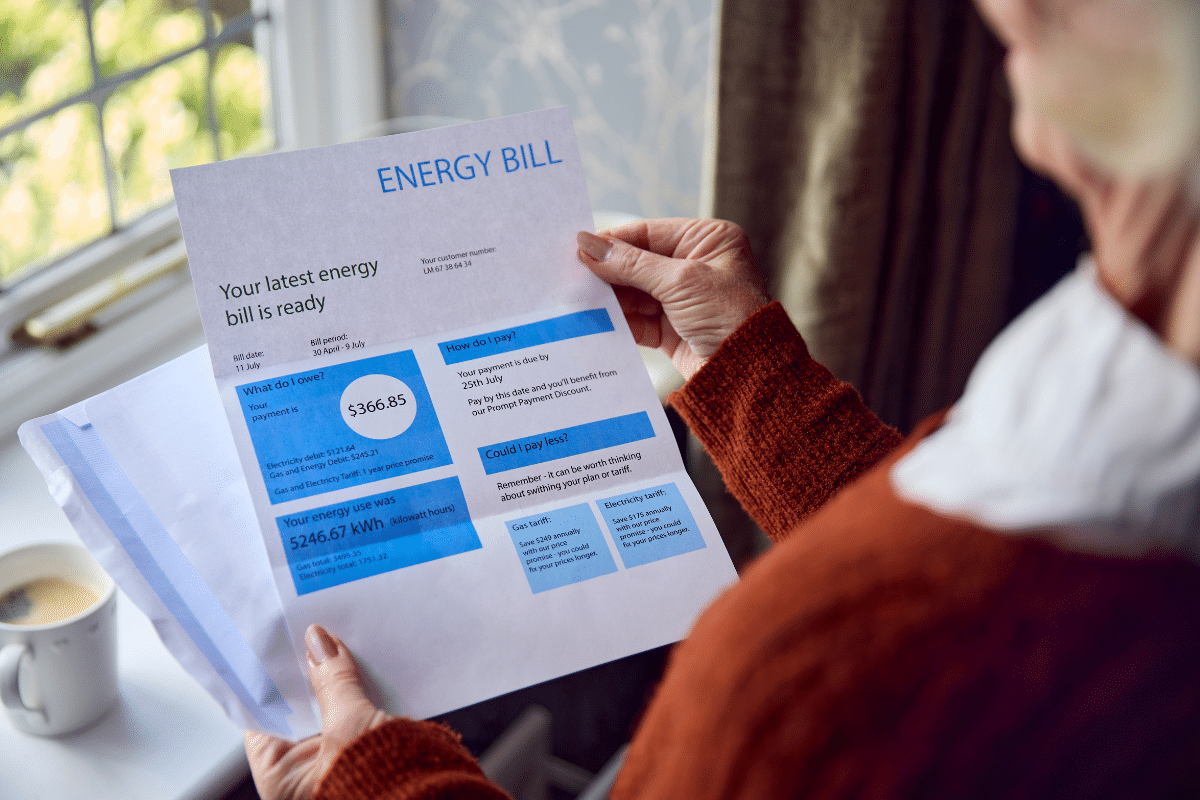
When your heat or AC is running, just about all the air in your home passes through that filter, often multiple times every hour.
When it’s clean, air moves through easily. When it’s clogged with everything it’s been trapping, your system has to work harder just to keep things comfortable.
And yes, that extra effort shows up on your energy bill.
The dirtier the filter, the less efficient your system becomes and the more likely it is to develop problems. According to the Department of Energy, a clogged filter can increase energy use by up to 15%, while regular changes can help keep those costs in check.
Ignore it long enough, and that “no big deal” filter starts getting expensive.
2. The Air You’re Breathing
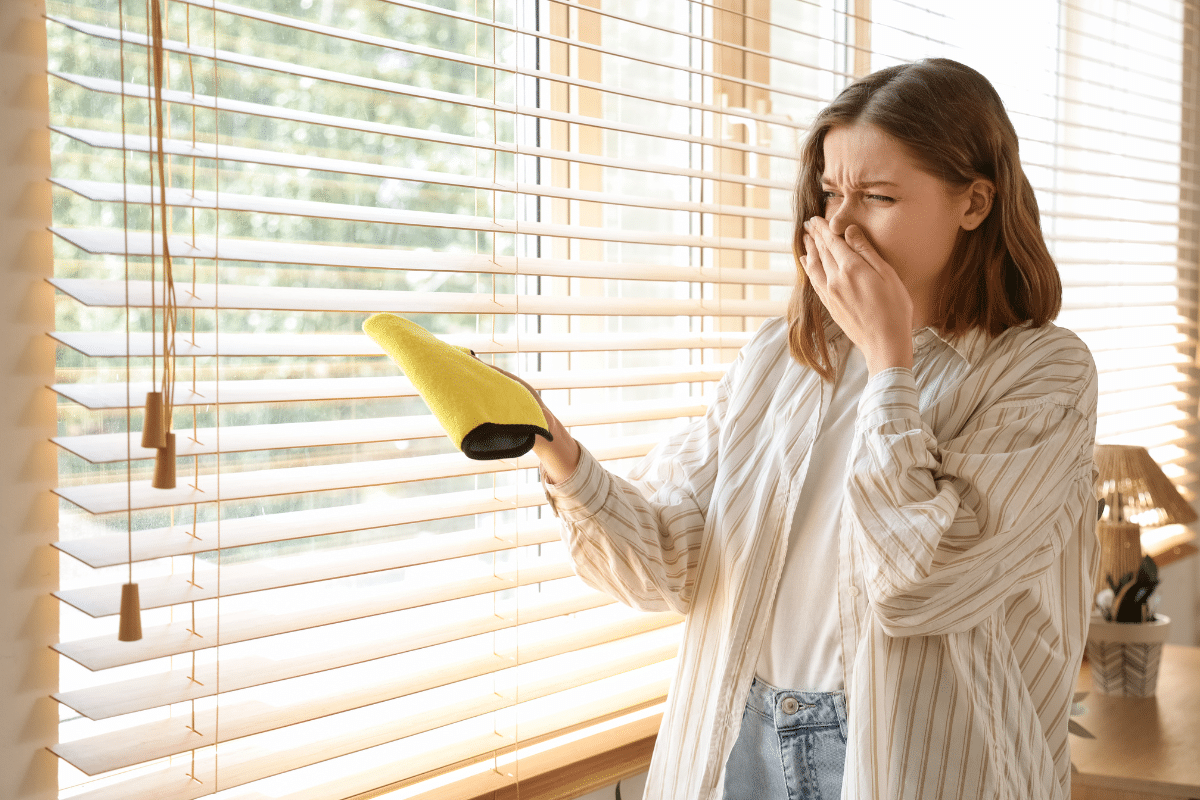
A good filter traps dust, allergens, and all the airborne junk you don’t want in your lungs. When it gets clogged, it can’t do that job very well anymore.
Instead of capturing those particles, your system can start circulating them right back into your home: dust, pet dander, even mold spores.
And here’s the part most people don’t realize: indoor air can actually be more polluted than outdoor air (two to five times, even up to 100 times!) So when those particles stay in circulation, you’re breathing them in over and over again.
If your home feels dusty five minutes after cleaning, or allergies seem worse indoors, this could be why.
3. Those Mysterious Dark Lines on Carpet
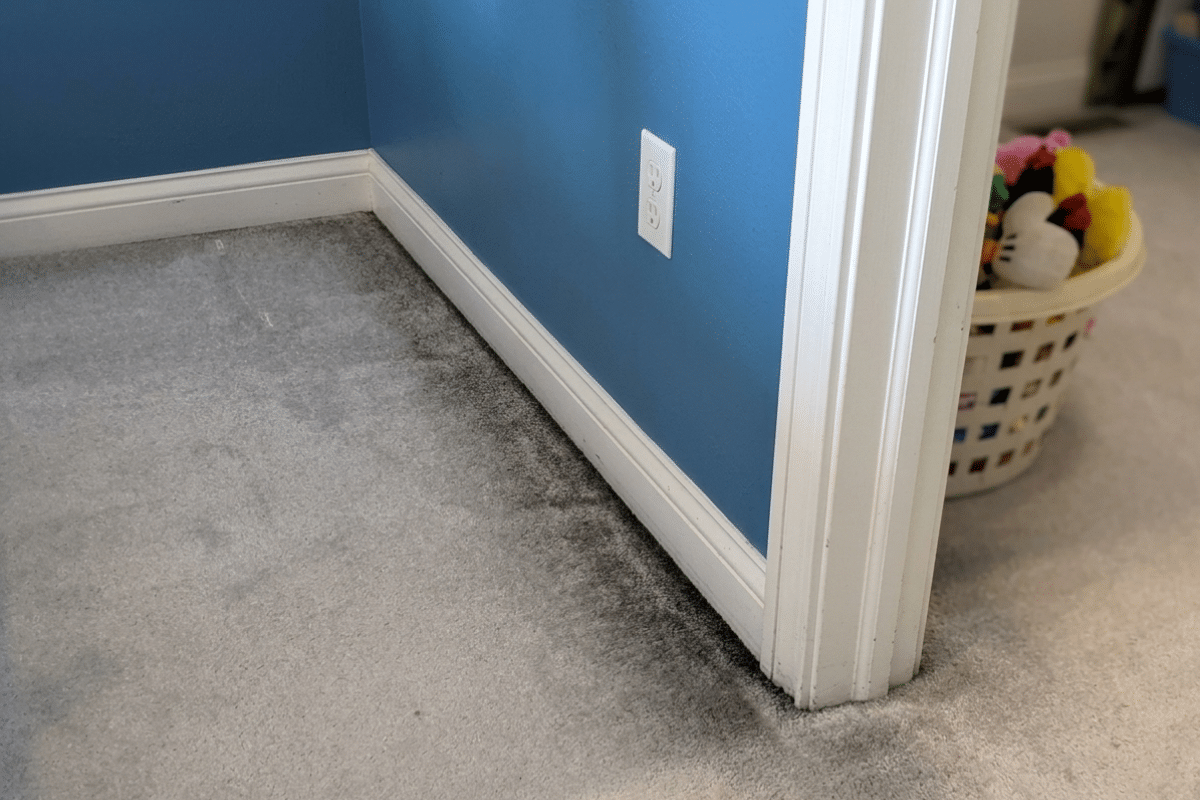
If you’ve ever noticed dark, shadowy lines along baseboards or under doors, you’re not imagining things. That’s called filtration soiling.
It shows up when air gets pulled through tiny gaps, leaving behind streaks of grime along the way. Think of it as your carpet acting like a backup filter… one you definitely didn’t sign up for.
And what’s in that grime? A little bit of everything: dust, soot, smoke from candles or fireplaces, cooking grease, even pollutants from outside.
Here’s the kicker: all of that is supposed to get trapped in your HVAC filter. But once the filter is full, your system starts sending those particles right back into your home, where they settle into corners, edges, and yes… your carpet.
A clean filter helps stop that mess at the source.
How Often Should You Really Change It?
Here’s the simple rule: check it monthly and change it when it looks dirty. For many homes, that ends up being every 60–90 days. But real life isn’t one-size-fits-all. You may need to change it more often if you:
- Have pets
- Live in a dusty or high-pollution area
- Are doing renovations
- Have multiple people in the home
- Run heat or AC constantly
Also, keep in mind, some systems have more than one filter. It’s worth taking a minute to find them all so nothing gets overlooked.
If the filter isn’t white anymore, it’s time.
At a minimum, aim to change it every three months. A dirty filter slows airflow and makes your system work harder, which wastes energy and can lead to expensive repairs down the road.
A clean filter keeps things running the way they should. Simple as that.
60-Second Filter Check
Want to avoid a surprise HVAC headache? Spend a minute doing this next time you pass your unit:
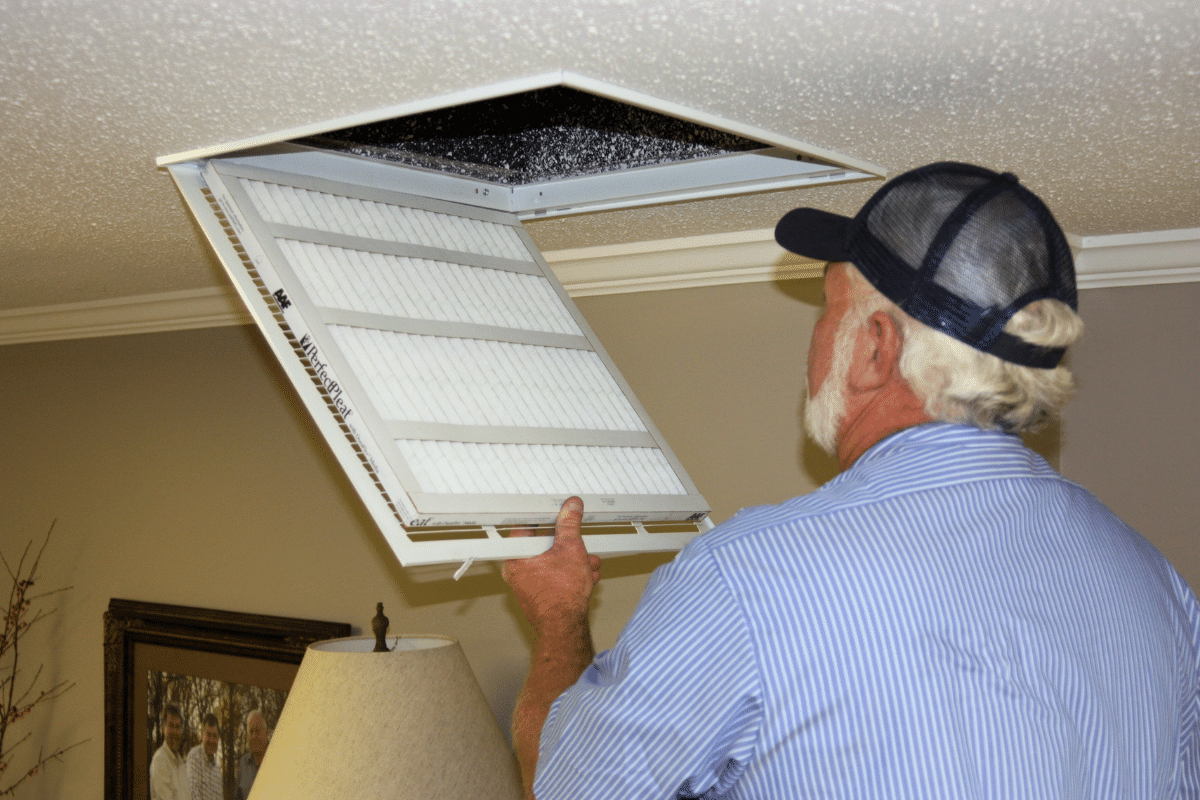
- Open the filter slot.
- Slide the filter out.
- Hold it up to the light.
If barely any light gets through… it’s time to swap it.
This quick check can prevent bigger problems, like reduced airflow, system strain, and expensive repairs down the road.
Three Easy Ways to Stay on Track
1. Put It on Your Calendar
Old-school, but it works. Set a recurring reminder on your phone or calendar… whatever you actually pay attention to. Pair it with something you already do, like paying bills or flipping your mattress.
And don’t assume you’ll just remember. You probably won’t until one day, years from now, you notice your utility bill has shot through the stratosphere, you have this weird cough or you see odd, dark shadows forming along the edges of your carpet. Or your system dies a tragic, premature death. Don’t let that happen!
Simple systems stick.
2. Go Washable
If you like the idea of buying something once and being done, a reusable (electrostatic) filter might be worth a look.
They can last for years and save money over time. The trade-off? You have to stay on top of rinsing and drying them regularly to keep them working well.
If you don’t mind a quick monthly rinse, it’s a solid, low-waste option.
3. Automate It (The Easiest Option)
I’ll be honest. This is the one that finally solved it for me.
We once went way too long without changing a filter. Not weeks. Not months. Let’s just say… long enough that when we finally opened that little door labeled “Filter,” I almost wished we hadn’t. It was nearly black. And fuzzy.
I stood there thinking, How has this system been running at all? It felt like we’d been asking it to breathe through a wool blanket.
That was my turning point. I realized this wasn’t a “try to remember” kind of task. This needed a system.
Now, services like FilterEasy handle it for you. You choose your filter size, set your schedule, and it shows up right when it’s time to change it. No store runs. No guessing. No “I’ll do it next week” that turns into next season.
And here’s what I didn’t expect: when the filter shows up at your door, it’s your cue. No reminders needed. You swap it out and move on.
It’s one of those small changes that quietly makes life easier and keeps your home (and your HVAC system) running the way it should. Not bad for something that takes about five minutes.
Frequently Asked Questions
How often should I change my HVAC filter?
Most homes do well every 60–90 days, but check monthly. If you have pets, live in a dusty area, or run your heat/AC constantly, you may need to swap sooner. A simple tip: jot the date on each new filter. You’ll know exactly when it’s time.
What happens if I don’t change my filter?
Clogged filters restrict airflow, make your system work harder, hike energy bills, and can lead to costly repairs. Think of it like trying to breathe through a scarf all day. Your HVAC feels the same way.
Are expensive filters worth it?
Not always. Mid-range pleated filters usually do the job. The trick isn’t fancy filters. It’s staying consistent. As one reader shared, “Our pro told us cheap filters work best if changed monthly... keeps our system happy and saves money.”
Do filter subscription services really help?
Absolutely. Services like FilterEasy handle the remembering for you. Filters arrive automatically, you swap them out, and forget about last-minute store trips. One reader calls it “so convenient... it’s my built-in reminder to keep the air clean.”
Can a dirty filter affect my health?
Yes. Dust, allergens, and pollutants can circulate if your filter isn’t doing its job, aggravating allergies and respiratory issues. Even if you don’t notice it, your system and your lungs definitely will.
Question: When was the last time you changed your HVAC filter? Be honest! Share down below.
EverydayCheapskate™ is reader-supported. We participate in the Amazon Services LLC Associates Program and other affiliate advertising programs, designed to provide a means for us to earn from qualifying purchases, at no cost to you.

More from Everyday Cheapskate
 https://www.everydaycheapskate.com/wp-content/uploads/20261006-prime-big-deal-days-have-landed.png
800
1200
Mary Hunt
https://www.everydaycheapskate.com/wp-content/uploads/EC-Logo-by-Mary-Hunt-Tagline-Trimmed.png
Mary Hunt2026-10-05 11:01:432026-10-07 09:02:53EC’s Top Picks from Amazon Prime Big Deal Days 2026
https://www.everydaycheapskate.com/wp-content/uploads/20261006-prime-big-deal-days-have-landed.png
800
1200
Mary Hunt
https://www.everydaycheapskate.com/wp-content/uploads/EC-Logo-by-Mary-Hunt-Tagline-Trimmed.png
Mary Hunt2026-10-05 11:01:432026-10-07 09:02:53EC’s Top Picks from Amazon Prime Big Deal Days 2026 https://www.everydaycheapskate.com/wp-content/uploads/20261004-reduce-healthcare-costs-with-three-habits-healthy-couple-walking-in-autumn-leaves.png
800
1200
Mary Hunt
https://www.everydaycheapskate.com/wp-content/uploads/EC-Logo-by-Mary-Hunt-Tagline-Trimmed.png
Mary Hunt2026-10-04 23:08:572026-10-04 23:09:47How to Reduce Healthcare Costs With 3 Free Daily Habits
https://www.everydaycheapskate.com/wp-content/uploads/20261004-reduce-healthcare-costs-with-three-habits-healthy-couple-walking-in-autumn-leaves.png
800
1200
Mary Hunt
https://www.everydaycheapskate.com/wp-content/uploads/EC-Logo-by-Mary-Hunt-Tagline-Trimmed.png
Mary Hunt2026-10-04 23:08:572026-10-04 23:09:47How to Reduce Healthcare Costs With 3 Free Daily Habits https://www.everydaycheapskate.com/wp-content/uploads/20241004-news-you-can-use-october-everyday-cheapskate-top-news-articles.png
800
1200
Mary Hunt
https://www.everydaycheapskate.com/wp-content/uploads/EC-Logo-by-Mary-Hunt-Tagline-Trimmed.png
Mary Hunt2026-10-04 01:04:052026-10-09 11:23:31News You Can Use • October 2026
https://www.everydaycheapskate.com/wp-content/uploads/20241004-news-you-can-use-october-everyday-cheapskate-top-news-articles.png
800
1200
Mary Hunt
https://www.everydaycheapskate.com/wp-content/uploads/EC-Logo-by-Mary-Hunt-Tagline-Trimmed.png
Mary Hunt2026-10-04 01:04:052026-10-09 11:23:31News You Can Use • October 2026 https://www.everydaycheapskate.com/wp-content/uploads/20261003-woman-hugging-elderly-mother-sandwich-generation-caring-for-aging-parents.png
800
1200
Mary Hunt
https://www.everydaycheapskate.com/wp-content/uploads/EC-Logo-by-Mary-Hunt-Tagline-Trimmed.png
Mary Hunt2026-10-03 10:47:222026-10-03 10:47:25Sandwiched Between Aging Parents and Adult Children
https://www.everydaycheapskate.com/wp-content/uploads/20261003-woman-hugging-elderly-mother-sandwich-generation-caring-for-aging-parents.png
800
1200
Mary Hunt
https://www.everydaycheapskate.com/wp-content/uploads/EC-Logo-by-Mary-Hunt-Tagline-Trimmed.png
Mary Hunt2026-10-03 10:47:222026-10-03 10:47:25Sandwiched Between Aging Parents and Adult Children https://www.everydaycheapskate.com/wp-content/uploads/20260927-impossible-lasagna-pie-recipe-with-wooden-serving-spoon-in-white-casserole-dish.png
800
1200
Mary Hunt
https://www.everydaycheapskate.com/wp-content/uploads/EC-Logo-by-Mary-Hunt-Tagline-Trimmed.png
Mary Hunt2026-09-28 09:38:592026-09-28 22:48:34Impossible Lasagna Pie: All the Flavor, None of the Noodles
https://www.everydaycheapskate.com/wp-content/uploads/20260927-impossible-lasagna-pie-recipe-with-wooden-serving-spoon-in-white-casserole-dish.png
800
1200
Mary Hunt
https://www.everydaycheapskate.com/wp-content/uploads/EC-Logo-by-Mary-Hunt-Tagline-Trimmed.png
Mary Hunt2026-09-28 09:38:592026-09-28 22:48:34Impossible Lasagna Pie: All the Flavor, None of the Noodles https://www.everydaycheapskate.com/wp-content/uploads/20260925-best-inexpensive-coffee-grinders-burr-manual-and-electric.png
800
1200
Mary Hunt
https://www.everydaycheapskate.com/wp-content/uploads/EC-Logo-by-Mary-Hunt-Tagline-Trimmed.png
Mary Hunt2026-09-25 11:06:342026-10-10 15:49:09The Best Coffee Grinder Upgrade That’s Actually Worth It
https://www.everydaycheapskate.com/wp-content/uploads/20260925-best-inexpensive-coffee-grinders-burr-manual-and-electric.png
800
1200
Mary Hunt
https://www.everydaycheapskate.com/wp-content/uploads/EC-Logo-by-Mary-Hunt-Tagline-Trimmed.png
Mary Hunt2026-09-25 11:06:342026-10-10 15:49:09The Best Coffee Grinder Upgrade That’s Actually Worth It https://www.everydaycheapskate.com/wp-content/uploads/20260918-man-and-woman-signing-an-extended-warranty-in-a-car-dealership.png
800
1200
Mary Hunt
https://www.everydaycheapskate.com/wp-content/uploads/EC-Logo-by-Mary-Hunt-Tagline-Trimmed.png
Mary Hunt2026-09-18 15:23:432026-09-18 15:25:43Is an Extended Warranty Ever Worth It? The Truth for 2026
https://www.everydaycheapskate.com/wp-content/uploads/20260918-man-and-woman-signing-an-extended-warranty-in-a-car-dealership.png
800
1200
Mary Hunt
https://www.everydaycheapskate.com/wp-content/uploads/EC-Logo-by-Mary-Hunt-Tagline-Trimmed.png
Mary Hunt2026-09-18 15:23:432026-09-18 15:25:43Is an Extended Warranty Ever Worth It? The Truth for 2026 https://www.everydaycheapskate.com/wp-content/uploads/20260917-fall-cleaning-checklist.png
800
1200
Mary Hunt
https://www.everydaycheapskate.com/wp-content/uploads/EC-Logo-by-Mary-Hunt-Tagline-Trimmed.png
Mary Hunt2026-09-17 17:11:012026-09-28 22:48:45Fall Cleaning Checklist: 15 Overlooked Spots to Clean
https://www.everydaycheapskate.com/wp-content/uploads/20260917-fall-cleaning-checklist.png
800
1200
Mary Hunt
https://www.everydaycheapskate.com/wp-content/uploads/EC-Logo-by-Mary-Hunt-Tagline-Trimmed.png
Mary Hunt2026-09-17 17:11:012026-09-28 22:48:45Fall Cleaning Checklist: 15 Overlooked Spots to Clean https://www.everydaycheapskate.com/wp-content/uploads/20260913-how-to-winterize-your-home-snowy-driveway-suburban-home.png
800
1200
Mary Hunt
https://www.everydaycheapskate.com/wp-content/uploads/EC-Logo-by-Mary-Hunt-Tagline-Trimmed.png
Mary Hunt2026-09-13 15:32:142026-09-28 22:48:55The Complete Guide to Winterizing Your Home This Fall
https://www.everydaycheapskate.com/wp-content/uploads/20260913-how-to-winterize-your-home-snowy-driveway-suburban-home.png
800
1200
Mary Hunt
https://www.everydaycheapskate.com/wp-content/uploads/EC-Logo-by-Mary-Hunt-Tagline-Trimmed.png
Mary Hunt2026-09-13 15:32:142026-09-28 22:48:55The Complete Guide to Winterizing Your Home This Fall

I change our filter when the seasons change. Simple for me. Our Lenox Pulse furnace, here when we bought the house, lasted more than 30 years. Our new Lenox Pulse should outlast me!
I just replaced a part on my furnace that I burned out using the wrong MERV (Minimum Efficiency Reporting Values). I purchased the “best” filters and five days later the repair man was here. I purchased filters with a MERV of 13 and shouldn’t have used one with more that an 8. I had never even heard of MERV. I suggest that you check with your service provider as to what is ideal for your needs. I also put the date on my filters so I know when they were installed.
Mary we moved 15 years ago. A neighbor had a business heat and air. He got us the electrostatic filters and they work great very rarely dirty when cleaned and they save us buying filters every month. We have an inspection contract they come twice a year. Last was amazed at how clean our filters stay
Our HVAC maintenance and installation professional told us to buy the least expensive air filters. He said to change them every 30 days. The more expensive models that filter higher amounts of particles can wreck havoc on the HVAC system, creating a virtual suction that reduces efficiency and wears down the system. I have inexpensive filters autoshipped in a pack of 6 from Amazon. Subscribe & Save reduces my cost. I have all my smart devices set to remind me at the first of the month to change my filters. Works like a dream, saves me money, and is much easier on my HVAC.