

10 Brilliant Fixes for the Worst Laundry Disasters


Laundry disasters don’t discriminate. From mysteriously shrinking sweaters to stubborn armpit stains, it’s easy to feel like giving up. But hang tight—because when it comes to laundry problems and solutions, I’ve seen (and solved) just about all of them. I’ve rounded up my favorite fixes that don’t require pricey products or a science degree. Whether your towels stink or your child’s crayon made it into the dryer (again), I’ve got you covered—sleeves rolled up, solutions in hand.

Laundry challenges come in every size, shape, and level of irritation. It’s tempting to toss a ruined item into the rag bag and call it a loss. But before you declare defeat, take a breath. Most laundry disasters are more recoverable than we think.
You’re not alone if you’ve ever second-guessed your laundry routine. In fact, nearly half of folks say they still wash in hot or warm water more than 50% of the time, despite cold water being gentler on fabrics (and easier on the budget!). And while 53% of people have a dedicated laundry room, many still do laundry in kitchens, closets, or even at a friend’s house, so if your setup is less than ideal, you’re in good company.
And speaking of company… if you’ve ever had a crayon melt inside your dryer or found coins clanging around during the rinse cycle, welcome to the club. You’ll find fixes here that are simple, affordable, and safe—no trendy jars or matching laundry scoops required (though 36% of people still think those add something special to the space!).
1. How to Unshrink a Sweater (It’s Not Too Late!)

Before you mourn the loss of that favorite sweater—yes, the one that mysteriously shrunk to toddler size in the hot wash or took a surprise trip through the dryer—take heart. There’s a good chance you can coax it back to wearable size if you act fast.
Here’s how: Fill a large container or sink with one gallon of lukewarm (not hot!) water and stir in 2 tablespoons of baby shampoo or gentle hair conditioner. Soak the garment for about 10 minutes to relax the fibers fully.
Now the most important step: don’t rinse! Instead, gently press out the excess water—no wringing—then lay the item flat on a clean towel. Roll it up to blot away more moisture. Unroll, lay the sweater flat on another dry towel, and begin gently reshaping and stretching it back to its original size. Patience is key here. Allow it to air dry completely, away from direct heat or sunlight.
This method works well unless the fibers have been “felted,” which means they’ve permanently locked together (think boiled wool). But if the fibers are still flexible, you may just save your sweater and the day.
2. The Secret to Removing Impossible Stains

You’ve washed and dried that shirt a dozen times, and that grease stain? Still there. At this point, most folks toss it into the rag pile and move on. But hang on. Before you say goodbye for good, there’s one more thing you need to try: Lestoil.
It’s been around forever, but somehow it remains one of the best-kept secrets in stain removal. Lestoil (yep, pronounced less-toil—how clever is that?) is a heavy-duty, all-purpose cleaner that cuts through grease and grime like nothing else. And it’s proudly made in the USA.
Here’s the magic: Lestoil works full-strength on the kinds of stains you’ve already written off—think ink, toner, oil, grease, paint, lipstick, scuff marks, blood, nail polish, grass, coffee, even crayon and marker mishaps. It’ll even tackle sticker residue like a champ. And while it’s not just for laundry, it’s earned a permanent spot in mine.
Personally? Lestoil has rescued more items than I can count. From mystery stains to laundry heartbreaks, it’s the product I reach for when nothing else works.

3. What to Do When Crayons Melt in the Dryer

Thanks to restaurants handing out crayons like candy, it’s not uncommon for a sneaky one to hitch a ride home in a kid’s pocket and straight into the laundry. If you’ve opened the dryer to find a load of wax-splattered clothes and a colorful mess inside the drum, don’t panic. It can be fixed.
Start by treating the stained areas with WD-40, gently working it into the fabric with your fingers. This helps break down the petroleum base of the crayon. Next, apply a generous squirt of Blue Dawn dish soap (the concentrated kind) directly on top. Rub it in well, then toss the item back in the wash and launder as usual.
This combo works like a charm on fabric, and bonus: it also works on the inside of your dryer. Just spray WD-40 on a cloth (not directly into the drum), wipe down the wax spots, then follow up with a soapy cloth to remove any greasy residue. Wipe again with clean water and leave the door open to air out any fumes before your next load.
![WD-40 Classic Product, Multi-Use Product, Smart Straw, 12 OZ [3-Pack]](https://m.media-amazon.com/images/I/512BuyvltIL._SL160_.jpg)

4. How to Banish Yellow Armpit Stains for Good

Those yellow stains on white t-shirts? They’re not just from sweat. They’re the result of a sneaky chemical reaction between aluminum compounds in antiperspirants and the salts in perspiration. The buildup happens gradually, and before you know it, your once-bright white tee has a not-so-charming yellow halo under each arm.
But don’t toss it yet. There’s a way to break down those stains and restore your shirt to its former glory. Here’s what you’ll need:
- Blue Dawn dish soap (the original formula)
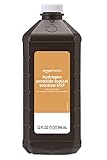
- Fresh hydrogen peroxide (check the expiration!)
- Baking soda
- A bristle brush or old toothbrush
In a small bowl or jar, mix 1 part Blue Dawn to 2 parts hydrogen peroxide. Lay a thick white towel under the shirt to protect your surface, then saturate the stained areas with the mixture. Sprinkle baking soda on top, then gently scrub using your brush. Let it sit for at least an hour, longer if the stain is stubborn. Then launder as usual.
Pro tip: Don’t skip the scrubbing step. It helps lift the residue deep within the fabric fibers, especially on older set-in stains. And as always, check the garment tag before using hydrogen peroxide on delicate or colored fabrics.


5. Turn Forgotten Pocket Change Into a Laundry Bonus

Hear that familiar clink-clank coming from the dryer? That’s not just loose change. It’s your laundry bonus in the making. Instead of getting annoyed at whoever left cash in their pockets (again), try this instead: make it a house rule that whoever finds it, keeps it.
Then stash a small jar, tin, or even a cute piggy bank in the laundry room. Every time you find a quarter, dime, or the occasional crumpled bill, drop it in. Over time, that forgotten pocket change adds up and you just might end up with a nice little fund for laundry supplies, a family treat, or even part of a new washer.
Bonus tip: Label the container something clever like “Laundry Tip Jar” or “Lost & Found Fund” to give it some personality and maybe even encourage folks to double-check their pockets (but not too thoroughly—after all, finders keepers!).
6. Save Clothing Tags the Smart Way

Those scratchy tags sewn into the neckline can be a real nuisance, but before you toss them, consider this: they hold the secrets to proper care. Instead of risking laundry mishaps, snip the tag and tuck it away. A quick stitch into an inside seam or pocket keeps it close without the irritation. Sure, you might play a little hide-and-seek with it later, but at least you won’t accidentally turn your favorite shirt into doll clothes.
7. A Clever Bleach Trick for Targeted Stain Removal

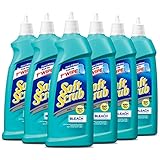
Got a stubborn stain on a mostly white shirt, one with colored trim, cute graphics, or printed details you don’t want to ruin with a splash of bleach? Try this: dab a gel cleaner with bleach (the kind you’d typically use on countertops) directly onto the stain. The gel consistency keeps the bleach from spreading, so you get targeted stain removal without collateral damage. I’ve been using this trick for years now and it’s been a quiet little miracle. No fading, no fabric drama, just clean clothes.
Tip: Test a hidden spot first just to be safe, especially on delicate or vintage fabrics.
8. Remove Sticky Tree Pitch from Clothing with Ease

Tree pitch from firewood has a sneaky way of hitching a ride on your clothing and once it’s there, it can feel impossible to remove. But there’s an easy fix: reach for an automotive hand cleaner like Goop or Fast Orange (the kind mechanics use to cut through grease). Rub it directly onto the pitch, work it in a bit with your fingers or a soft toothbrush, then launder as usual. It cuts right through the stickiness and won’t damage your fabric.
Bonus tip: Keep a small tub of hand cleaner in the laundry room—it’s also great for removing sap, grease, and even some oily food stains.


9. How to Whiten Yellowed Vintage Linens Safely

Got a stash of old table linens that have yellowed with age? Don’t toss them just yet. Those delicate fibers may not survive a spin with harsh detergent or bleach, but there’s a gentler way to bring them back to life. Fill a basin with warm water and add a bit of Iron Out (yes, the rust stain remover!). Let the linens soak for about 20 minutes, then hand-wash with a mild detergent and rinse thoroughly.
You’ll be amazed at how bright and fresh they look, almost like they’ve never spent a decade tucked away in Grandma’s hutch.
Note: Always test a small hidden area first to be sure your linen can handle it, especially if it has embroidery, lace, or colored trim.

10. The Ultimate Fix for Smelly, Stiff Towels

If your towels have gone from fluffy and fresh to gray, stiff, scratchy and let’s just say it, gross, you’re not alone. Over time, detergents and fabric softeners can build up, creating a waxy coating that traps bacteria, especially in damp conditions. That’s why your towels smell like a high school locker room instead of clean linen.
The good news? You don’t need to toss them or suffer another scratchy shower. All you need are two pantry staples, white vinegar and baking soda, used in the right order. These ingredients will strip away residue and restore your towels to their former glory.
White vinegar contains acetic acid that breaks down mineral deposits and dissolves detergent and fabric softener build-up. Baking soda is an alkaline cleaner that breaks down grime and neutralizes odors. Used together in one wash? They cancel each other out. That’s why this is a two-step process, so each ingredient can do its job properly.
Wash #1: The Vinegar Soak
Loosely load your towels into the washing machine. Select the longest, hottest wash cycle you can manage. (If your water heater is set low, you might consider temporarily turning it up to 140°F, or boiling water on the stovetop and carefully adding it to the washer. Hot water is key. It helps kill bacteria.)
Add 2 cups white vinegar. No detergent. Let the cycle run all the way through. When it’s done, leave the towels in the machine.
Wash #2: The Baking Soda Blast
Run the towels through a second wash using the hottest water again. This time, add 1 cup baking soda. Still no detergent or vinegar. Let the cycle complete.
Now dry your towels thoroughly either in the dryer or outdoors in the sun (sunlight is a natural disinfectant!). Once dry, give them a sniff. If they smell fresh and clean, you’re done. If not, repeat the process. Yes, it takes time, but so did the buildup and your investment in good towels is worth rescuing.
Pro tip: To keep towels fresh moving forward, skip the fabric softener (it’s the sneaky culprit) and don’t overload the washer. Air them out between uses, and give them a deep clean like this every few months.

Question: What’s your biggest laundry mystery or mishap? Bonus points if it involves glitter, gum, or crayons! Let’s commiserate together in the comments below.
EverydayCheapskate™ is reader-supported. We participate in the Amazon Services LLC Associates Program and other affiliate advertising programs, designed to provide a means for us to earn from qualifying purchases, at no cost to you.

More from Everyday Cheapskate
 https://www.everydaycheapskate.com/wp-content/uploads/20260824-house-rules-for-adult-children.png
800
1200
Mary Hunt
https://www.everydaycheapskate.com/wp-content/uploads/EC-Logo-by-Mary-Hunt-Tagline-Trimmed.png
Mary Hunt2026-08-24 12:21:382026-08-24 12:23:50House Rules for Adult Children Living at Home (Without Losing Your Mind or Your Garage)
https://www.everydaycheapskate.com/wp-content/uploads/20260824-house-rules-for-adult-children.png
800
1200
Mary Hunt
https://www.everydaycheapskate.com/wp-content/uploads/EC-Logo-by-Mary-Hunt-Tagline-Trimmed.png
Mary Hunt2026-08-24 12:21:382026-08-24 12:23:50House Rules for Adult Children Living at Home (Without Losing Your Mind or Your Garage) https://www.everydaycheapskate.com/wp-content/uploads/20260822-central-AC-maintenance-air-condenser-outdoors.png
800
1200
Mary Hunt
https://www.everydaycheapskate.com/wp-content/uploads/EC-Logo-by-Mary-Hunt-Tagline-Trimmed.png
Mary Hunt2026-08-22 14:19:562026-08-22 14:19:59How to Extend the Life of Your Central AC (5 Late-Summer Tune-Up Tips)
https://www.everydaycheapskate.com/wp-content/uploads/20260822-central-AC-maintenance-air-condenser-outdoors.png
800
1200
Mary Hunt
https://www.everydaycheapskate.com/wp-content/uploads/EC-Logo-by-Mary-Hunt-Tagline-Trimmed.png
Mary Hunt2026-08-22 14:19:562026-08-22 14:19:59How to Extend the Life of Your Central AC (5 Late-Summer Tune-Up Tips) https://www.everydaycheapskate.com/wp-content/uploads/20260819-dry-clean-only.png
800
1200
Mary Hunt
https://www.everydaycheapskate.com/wp-content/uploads/EC-Logo-by-Mary-Hunt-Tagline-Trimmed.png
Mary Hunt2026-08-19 23:38:122026-08-19 23:38:12The Truth About “Dry Clean Only” (And When I Actually Listen to It)
https://www.everydaycheapskate.com/wp-content/uploads/20260819-dry-clean-only.png
800
1200
Mary Hunt
https://www.everydaycheapskate.com/wp-content/uploads/EC-Logo-by-Mary-Hunt-Tagline-Trimmed.png
Mary Hunt2026-08-19 23:38:122026-08-19 23:38:12The Truth About “Dry Clean Only” (And When I Actually Listen to It) https://www.everydaycheapskate.com/wp-content/uploads/20260817-thrift-store-sign-with-blue-cloudy-sky-in-background.png
800
1200
Mary Hunt
https://www.everydaycheapskate.com/wp-content/uploads/EC-Logo-by-Mary-Hunt-Tagline-Trimmed.png
Mary Hunt2026-08-17 09:17:472026-08-17 09:17:47The Donation Box Mistakes Thrift Stores Wish We’d Skip
https://www.everydaycheapskate.com/wp-content/uploads/20260817-thrift-store-sign-with-blue-cloudy-sky-in-background.png
800
1200
Mary Hunt
https://www.everydaycheapskate.com/wp-content/uploads/EC-Logo-by-Mary-Hunt-Tagline-Trimmed.png
Mary Hunt2026-08-17 09:17:472026-08-17 09:17:47The Donation Box Mistakes Thrift Stores Wish We’d Skip https://www.everydaycheapskate.com/wp-content/uploads/20260815-how-to-water-your-lawn-without-wasting-money.png
800
1200
Mary Hunt
https://www.everydaycheapskate.com/wp-content/uploads/EC-Logo-by-Mary-Hunt-Tagline-Trimmed.png
Mary Hunt2026-08-15 12:45:022026-08-15 12:45:02How to Water Your Lawn Without Wasting Money This Summer
https://www.everydaycheapskate.com/wp-content/uploads/20260815-how-to-water-your-lawn-without-wasting-money.png
800
1200
Mary Hunt
https://www.everydaycheapskate.com/wp-content/uploads/EC-Logo-by-Mary-Hunt-Tagline-Trimmed.png
Mary Hunt2026-08-15 12:45:022026-08-15 12:45:02How to Water Your Lawn Without Wasting Money This Summer https://www.everydaycheapskate.com/wp-content/uploads/20260813-real-hourly-wage-for-a-second-income.png
800
1200
Mary Hunt
https://www.everydaycheapskate.com/wp-content/uploads/EC-Logo-by-Mary-Hunt-Tagline-Trimmed.png
Mary Hunt2026-08-13 21:16:562026-08-13 21:18:10What’s the Real Hourly Wage of Your Second Income Job?
https://www.everydaycheapskate.com/wp-content/uploads/20260813-real-hourly-wage-for-a-second-income.png
800
1200
Mary Hunt
https://www.everydaycheapskate.com/wp-content/uploads/EC-Logo-by-Mary-Hunt-Tagline-Trimmed.png
Mary Hunt2026-08-13 21:16:562026-08-13 21:18:10What’s the Real Hourly Wage of Your Second Income Job? https://www.everydaycheapskate.com/wp-content/uploads/20260809-how-to-get-the-smell-out-of-towels-stack-of-towels-sitting-with-candle-in-bright-natural-light.png
800
1200
Mary Hunt
https://www.everydaycheapskate.com/wp-content/uploads/EC-Logo-by-Mary-Hunt-Tagline-Trimmed.png
Mary Hunt2026-08-08 16:48:552026-08-08 16:50:57How to Get Smell Out of Towels: The 2-Wash Fix That Works
https://www.everydaycheapskate.com/wp-content/uploads/20260809-how-to-get-the-smell-out-of-towels-stack-of-towels-sitting-with-candle-in-bright-natural-light.png
800
1200
Mary Hunt
https://www.everydaycheapskate.com/wp-content/uploads/EC-Logo-by-Mary-Hunt-Tagline-Trimmed.png
Mary Hunt2026-08-08 16:48:552026-08-08 16:50:57How to Get Smell Out of Towels: The 2-Wash Fix That Works https://www.everydaycheapskate.com/wp-content/uploads/20260808-emergency-flashlight-multi-day-power-outage-prep.png
800
1200
Mary Hunt
https://www.everydaycheapskate.com/wp-content/uploads/EC-Logo-by-Mary-Hunt-Tagline-Trimmed.png
Mary Hunt2026-08-08 12:30:072026-08-08 12:30:08How to Prep Your Home for a Multi-Day Power Outage
https://www.everydaycheapskate.com/wp-content/uploads/20260808-emergency-flashlight-multi-day-power-outage-prep.png
800
1200
Mary Hunt
https://www.everydaycheapskate.com/wp-content/uploads/EC-Logo-by-Mary-Hunt-Tagline-Trimmed.png
Mary Hunt2026-08-08 12:30:072026-08-08 12:30:08How to Prep Your Home for a Multi-Day Power Outage https://www.everydaycheapskate.com/wp-content/uploads/20260807-Sunday-school-prep-routine-get-the-family-ready-for-the-week.png
800
1200
Mary Hunt
https://www.everydaycheapskate.com/wp-content/uploads/EC-Logo-by-Mary-Hunt-Tagline-Trimmed.png
Mary Hunt2026-08-07 11:22:222026-08-07 11:22:22The 15-Minute Sunday Prep That Runs Your Whole School Week
https://www.everydaycheapskate.com/wp-content/uploads/20260807-Sunday-school-prep-routine-get-the-family-ready-for-the-week.png
800
1200
Mary Hunt
https://www.everydaycheapskate.com/wp-content/uploads/EC-Logo-by-Mary-Hunt-Tagline-Trimmed.png
Mary Hunt2026-08-07 11:22:222026-08-07 11:22:22The 15-Minute Sunday Prep That Runs Your Whole School WeekPlease keep your comments positive, encouraging, helpful, brief,
and on-topic in keeping with EC Commenting Guidelines
Last update on 2026-09-01 / Affiliate links / Images from Amazon Product Advertising API


White wall paint on a shirt sleeve. Can it be removed??
In this post: 12 Frugal Laundry Tips That Will Save You A Fortune
How can I remove the sweaty smell from under the arms of my shirts?
In this post: How to Remove Sweat Stains and Save Your Favorite Clothes
You cannot imagine how many email msgs I get asking questions asking questions like yours here. This is easy. Go to any page at EverydayCheapskate.com. Look to the lower right and click on the search icon (blue circle with tiny magnifying glass). Type in anything—a subject, phrase, keyword. Hit Enter and BAM! See how that works? Every page on the site with that word, phrase or subject will show up in a nano second.You have full access to search every post at EC. And you can find that search icon on the lower right on every page, too. Try it!
Hope that helps!
i designed and knit an irish sweater–all those cables! i would wash it in cold, gentle cycle in a mesh bag. my son was in a hurry for the washer, so just took all my stuff and put it in the dryer on high…after taking the sweater out of the bag. i never put any of my stuff in the dryer. my beautiful sweater not only shrank, it felted. no baby shampoo would save it from felting. i threw it out and never knit another one.
I used some diluted Soilove to remove armpit stains from a silk sweater. I wish I took a before and after photo. It was like night and day. I was going to throw the sweater out. I appreciate your blog.
Right here is the right webpage for anyone who hopes
to understand this topic. You understand a whole
lot its almost tough to argue with you (not that I really
will need to…HaHa). You definitely put a new spin on a
topic that has been discussed for a long time. Great stuff, just excellent!
My son scrubbed a stain on khaki slacks with a toothbrush and laundry detergent, then washed. The area is now a couple of shades lighter. I told him this is probably permanent. Or is there a fix?
Frustrated with mostly towels/dish cloths having spots/streaks where the color has been ‘bleached’ out…though I do not use bleach on them. I have been making Mary’s laundry detergent for years, but just recently I washed a good coat using the detergent (no other additives to the wash cycle) and got a small spot on the sleeve where the color was removed. Grrr! Anyone else have this issue?
Hi Mary
My washing machine has ugly deposits at the of the drum, I’ve used fine steel wool & it won’t come off. It’s on the plastic part. Please help me get it off. Thank you.
My dark colored clothes have a lint-like residue after washing. I have tried using less detergent and warmer water but still end up washing them multiple times. Any suggestions?
My first guess is that that link filter (yes your washer has one!) needs to be cleaned. Check your owner manual to find out where that is and how to clean it. Most modern machines have a kind of “back wash” feature inside the working part of the machine that automatically clears that lint filter. But it can become overloaded so that feature ceases to be super effective, sending lint back into the clothes. It’s not only your dark colored items … its all of your wash, you just don’t see it on the white things. Water temp would not have anything to do with this by the way. Another tip: wash colored items inside out to prevent picking up so much lint and also to prevent pilling.
Pine pitch can be dissolved and removed with waterless hand cleaner. Works well on the waterproof-sticky-stuff on hands. Probably the alcohol? Rubbing alcohol may be more convenient for use on clothes?
I was hoping you’d have some magic trick for getting chocolate stains out. Any suggestions?
Try using undiluted Murphy’s Soap (for leather) directly on the stain. Works for me
Does that work on any fabric?
As far as I know. I’ve used it on tee shirts, blouses dresses etc
Thanks. I will definitely keep this in mind.