

The Best Way to Make Iced Tea? Depends What You’re After


Here’s a confession: I have made bad iced tea. Weak, bitter, watered-down-by-melting-ice bad. And for years I blamed the tea bags. It was never the tea bags. Iced tea seems like the easiest drink in the world. Bags in hot water, ice, done. But there’s a real gap between the iced tea you get at a good diner and the sad amber water most of us make at home. The fix isn’t pricier tea. It’s picking the right method for what you actually want out of the glass.

I’ve made iced tea five different ways over the years, for five different moods. Some I still use. One I’ve quietly retired. Here’s how they stack up, and which one wins in my house.
Why Bother Comparing Methods At All?
Because iced tea is cheap, it’s caffeinated, and it beats soda for sugar, so it deserves better than “toss and hope.” Made right, it’s one of the best deals in your kitchen. Made wrong, it’s flat or bitter, sometimes both at once. The method is the whole game.
Method 1: Sun Tea
Charming, but I’ve stopped making it

I grew up on sun tea. A jar on the porch rail, tea bags steeping away in the summer heat, that lazy slow-brewed flavor. There’s real nostalgia in it.
But the CDC has been warning about this one for a while now, and I take it seriously. Sun-warmed water doesn’t get hot enough to keep bacteria from growing during that long steep. It’s not a guaranteed problem. Plenty of people drink sun tea all summer without incident. But once you know the risk, “it’s probably fine” stops feeling like a good enough reason.
If you still want to make it, I’ve laid out exactly how to do it as safely as possible, including how long is too long, in How to Make Sun Tea So It Is Bacteria-Free and Safe to Drink. Read that one before you fill the jar.
My Take: The charm doesn’t outweigh the risk when the other methods are just as easy. I’ve moved on.
Method 2: Refrigerator Cold Brew
My everyday method
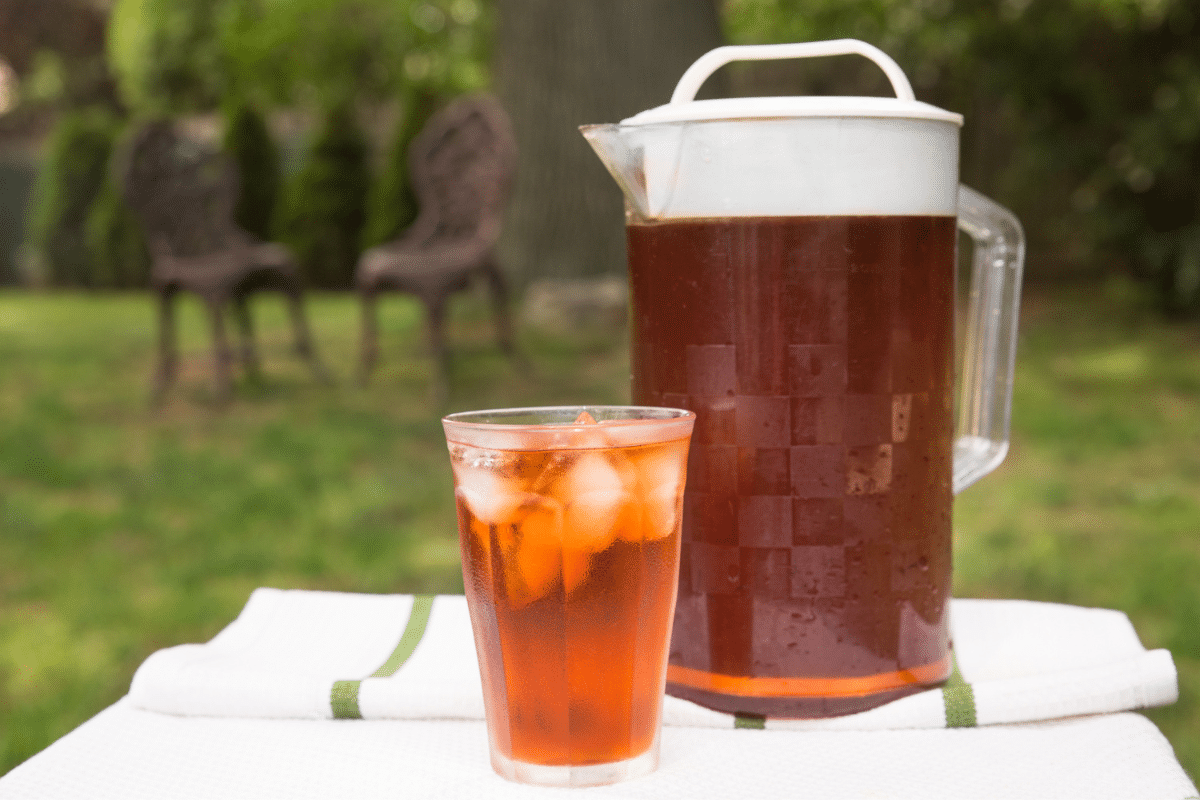
Ever notice how the best things require you to do almost nothing? This is that.
Tea bags, cold water, a pitcher, the fridge. Walk away for 8 to 12 hours. That’s the whole recipe.
What you get back is the smoothest, gentlest iced tea there is. No bitterness, because there’s no heat pulling harsh tannins out of the leaves. It’s a little lower in caffeine too, which I don’t mind on a slow afternoon.
How I Do It: Cold water in a half-gallon pitcher, 8 to 10 tea bags, cover, fridge overnight. Pull the bags, pour over ice.
The only real downside is patience. You have to think ahead, which is exactly why I set mine up before bed. By morning it’s ready and I’ve done nothing but sleep.
My Take: This is the one I reach for most. If you only try one method from this list, make it this one.
Method 3: Hot-Brewed Stovetop
For when you need tea now
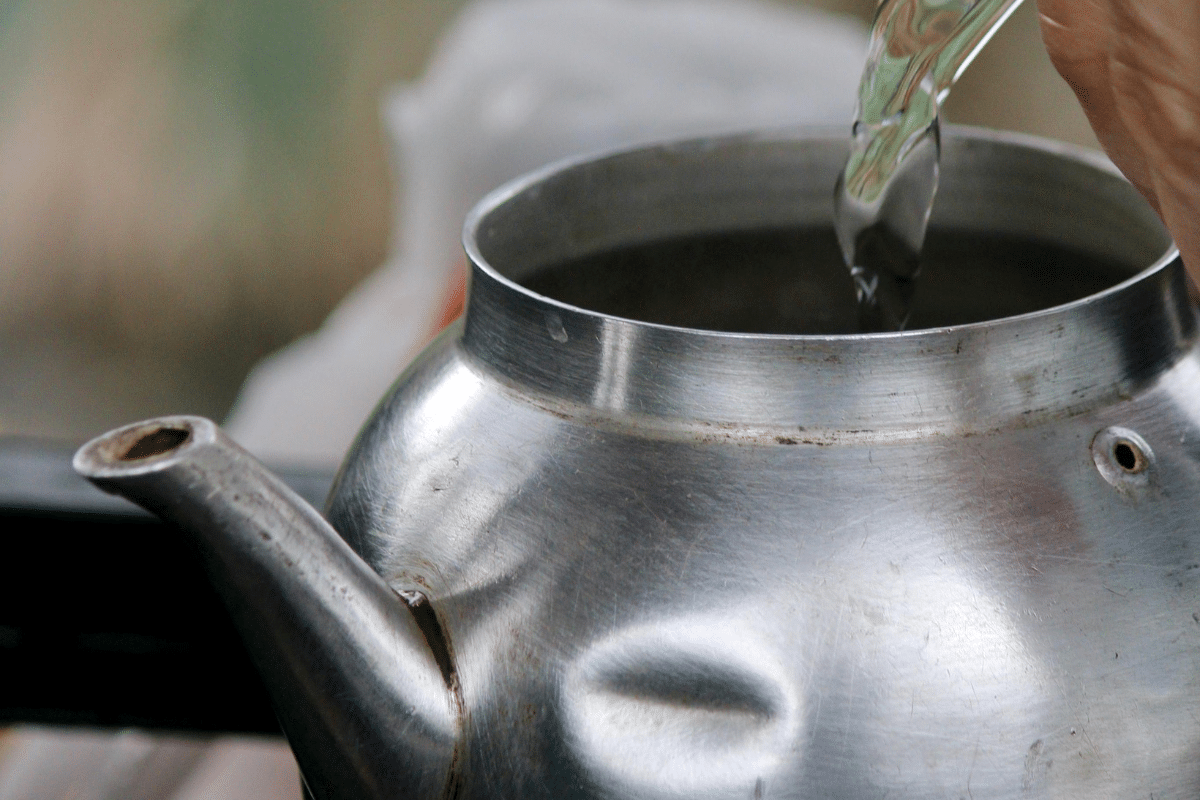
Some days you don’t have 8 hours. Some days it’s 4pm, it’s ninety degrees, and you want iced tea in the next twenty minutes.
That’s what stovetop brewing is for. Boil water, steep the bags hard and fast, then dilute with cold water instead of pouring it straight over ice. That last step matters more than people think. Pour hot tea directly onto ice and you’re mostly drinking melted ice by the second glass.
How I Do It: Boil 4 cups water, remove from heat, steep 6 to 8 tea bags for 3 to 5 minutes (no longer, or it turns bitter), pull the bags, stir in 4 cups cold water. Let it come down toward room temperature before it goes in the fridge, or serve straight over ice.
My Take: The fastest route to a decent glass. Not the smoothest tea on this list, but when you need it now, you need it now.
Method 4: Tea Concentrate
The smartest fridge space you’ll use all summer

This one’s for households where nobody agrees on how strong their tea should be. Sound familiar?
You brew one small, very strong batch, keep it in the fridge, and everybody dilutes their own glass to taste. Weak for the kids, strong for you. Same jar, different results.
How I Do It: boil 2 cups water, add 10 to 12 tea bags, steep 5 minutes, pull the bags, refrigerate the concentrate. To serve, fill a glass about a third full of concentrate, then top off with cold water and ice.
My Take: Brilliant if you’re tired of negotiating tea strength with your own family. Also doubles nicely in a mocktail or a real one.
Method 5: The Classic Sweet Tea Method
Sugar goes in while it’s hot

If what you actually want is Southern sweet tea, the syrupy, diner-style kind, this is the only method that gets you there. I’ve written up the full version, with the exact ratios that make it taste like it came from a real Southern kitchen, in How to Make Iced Tea: Perfect Recipe for Refreshing Summer Drinks.
The short version: sugar dissolves into hot tea in seconds. Try to stir sugar into a pitcher of cold tea and you’ll be at it for ten minutes with grit still settling at the bottom of the glass. Sweeten hot, every time.
My Take: This is a one-job method. Sweet tea, and only sweet tea. If that’s what you’re craving, don’t fight it, just brew it that way from the start.
So Which One Wins?
For most households, most days: refrigerator cold brew. It’s safe, it’s the smoothest tea you’ll make, and it asks almost nothing of you except a little patience the night before.
If you need tea on short notice, go stovetop, and don’t skip the cold-water dilution step.
If your household can’t agree on strength, make a concentrate and let everyone doctor their own glass.
And if what you’re really craving is sweet tea, don’t try to shortcut it. Sweeten it hot, the way it’s meant to be done.
Tea Bag vs. Loose Leaf, Black vs. Green vs. Herbal
A few notes worth knowing:
- Tea bags work fine. You do not need to upgrade to loose-leaf tea to make something good. A box of Lipton or Luzianne has been getting this job done for decades, and it’ll keep doing it.
- Black tea is the classic. Strong enough to hold its own against ice and sugar without disappearing.
- Green tea is more delicate. Cold-brew method works best so it doesn’t get bitter.
- Herbal teas are forgiving. Good for kids, good for an evening cup with nothing that’ll keep you up.
- Fruit-flavored varieties. Hibiscus, peach, raspberry, are lovely cold-brewed, and even better blended half-and-half with black tea.
Keep a Jar of Simple Syrup on Hand
This is the trick that ends the “how do I sweeten cold tea” problem for good. Instead of fighting sugar into a cold pitcher, make a batch of syrup once and keep it in the fridge.
To Make It: Simmer 1 cup water and 1 cup sugar in a small saucepan, stirring until the sugar disappears. Cool it, pour it into a lidded jar, and refrigerate.
A tablespoon or two sweetens a glass of tea perfectly, no grit, no stirring marathon. It’s just as good in coffee, lemonade, or a cocktail, so make a double batch. You’ll use it.
Question: So, tell me: what’s your go-to method? Cold brew loyalist, stovetop-when-desperate, or die-hard sweet tea traditionalist? Tell me in the comments.
EverydayCheapskate™ is reader-supported. We participate in the Amazon Services LLC Associates Program and other affiliate advertising programs, designed to provide a means for us to earn from qualifying purchases, at no cost to you.

More from Everyday Cheapskate
 https://www.everydaycheapskate.com/wp-content/uploads/20260906-homemade-hot-fudge-chocolate-sauce-recipe.png
800
1200
Mary Hunt
https://www.everydaycheapskate.com/wp-content/uploads/EC-Logo-by-Mary-Hunt-Tagline-Trimmed.png
Mary Hunt2026-09-06 15:33:012026-09-06 15:33:01The Best Homemade Hot Fudge Sauce (So Easy, So Rich)
https://www.everydaycheapskate.com/wp-content/uploads/20260906-homemade-hot-fudge-chocolate-sauce-recipe.png
800
1200
Mary Hunt
https://www.everydaycheapskate.com/wp-content/uploads/EC-Logo-by-Mary-Hunt-Tagline-Trimmed.png
Mary Hunt2026-09-06 15:33:012026-09-06 15:33:01The Best Homemade Hot Fudge Sauce (So Easy, So Rich) https://www.everydaycheapskate.com/wp-content/uploads/20260904-easy-baby-back-ribs-recipe-from-oven-to-the-grill.png
800
1200
Mary Hunt
https://www.everydaycheapskate.com/wp-content/uploads/EC-Logo-by-Mary-Hunt-Tagline-Trimmed.png
Mary Hunt2026-09-04 17:27:252026-09-04 17:27:28The Secret to Ribs That Really Do Fall Off the Bone
https://www.everydaycheapskate.com/wp-content/uploads/20260904-easy-baby-back-ribs-recipe-from-oven-to-the-grill.png
800
1200
Mary Hunt
https://www.everydaycheapskate.com/wp-content/uploads/EC-Logo-by-Mary-Hunt-Tagline-Trimmed.png
Mary Hunt2026-09-04 17:27:252026-09-04 17:27:28The Secret to Ribs That Really Do Fall Off the Bone https://www.everydaycheapskate.com/wp-content/uploads/20260902-pumpkin-spice-latte-recipe-homemade-diy.png
800
1200
Mary Hunt
https://www.everydaycheapskate.com/wp-content/uploads/EC-Logo-by-Mary-Hunt-Tagline-Trimmed.png
Mary Hunt2026-09-02 16:16:022026-09-02 16:18:35Homemade Pumpkin Spice Latte Recipe (Cheaper, Better, Faster)
https://www.everydaycheapskate.com/wp-content/uploads/20260902-pumpkin-spice-latte-recipe-homemade-diy.png
800
1200
Mary Hunt
https://www.everydaycheapskate.com/wp-content/uploads/EC-Logo-by-Mary-Hunt-Tagline-Trimmed.png
Mary Hunt2026-09-02 16:16:022026-09-02 16:18:35Homemade Pumpkin Spice Latte Recipe (Cheaper, Better, Faster) https://www.everydaycheapskate.com/wp-content/uploads/20260831-Portrait-of-a-Pitbull-on-a-yellow-background-homemade-dog-treat-recipes.png
800
1200
Mary Hunt
https://www.everydaycheapskate.com/wp-content/uploads/EC-Logo-by-Mary-Hunt-Tagline-Trimmed.png
Mary Hunt2026-08-31 13:06:072026-08-31 13:06:073 Homemade Dog Treats Recipes Your Dog Will Love Most
https://www.everydaycheapskate.com/wp-content/uploads/20260831-Portrait-of-a-Pitbull-on-a-yellow-background-homemade-dog-treat-recipes.png
800
1200
Mary Hunt
https://www.everydaycheapskate.com/wp-content/uploads/EC-Logo-by-Mary-Hunt-Tagline-Trimmed.png
Mary Hunt2026-08-31 13:06:072026-08-31 13:06:073 Homemade Dog Treats Recipes Your Dog Will Love Most https://www.everydaycheapskate.com/wp-content/uploads/20260830-homemade-sloppy-joe-mix-recipe.png
800
1200
Mary Hunt
https://www.everydaycheapskate.com/wp-content/uploads/EC-Logo-by-Mary-Hunt-Tagline-Trimmed.png
Mary Hunt2026-08-30 13:34:482026-08-30 13:34:48Homemade Sloppy Joe Mix: Skip the Store-Bought Packets
https://www.everydaycheapskate.com/wp-content/uploads/20260830-homemade-sloppy-joe-mix-recipe.png
800
1200
Mary Hunt
https://www.everydaycheapskate.com/wp-content/uploads/EC-Logo-by-Mary-Hunt-Tagline-Trimmed.png
Mary Hunt2026-08-30 13:34:482026-08-30 13:34:48Homemade Sloppy Joe Mix: Skip the Store-Bought Packets https://www.everydaycheapskate.com/wp-content/uploads/20260814-Slow-Cooker-Peach-Cobbler.png
800
1200
Mary Hunt
https://www.everydaycheapskate.com/wp-content/uploads/EC-Logo-by-Mary-Hunt-Tagline-Trimmed.png
Mary Hunt2026-08-14 22:48:112026-08-14 22:48:11Easy Slow Cooker Peach Cobbler with Boxed Cake Mix
https://www.everydaycheapskate.com/wp-content/uploads/20260814-Slow-Cooker-Peach-Cobbler.png
800
1200
Mary Hunt
https://www.everydaycheapskate.com/wp-content/uploads/EC-Logo-by-Mary-Hunt-Tagline-Trimmed.png
Mary Hunt2026-08-14 22:48:112026-08-14 22:48:11Easy Slow Cooker Peach Cobbler with Boxed Cake Mix https://www.everydaycheapskate.com/wp-content/uploads/20260812-zucchini-overload-what-to-do-with-a-bunch-of-zucchini.png
800
1200
Mary Hunt
https://www.everydaycheapskate.com/wp-content/uploads/EC-Logo-by-Mary-Hunt-Tagline-Trimmed.png
Mary Hunt2026-08-12 17:48:312026-08-12 17:48:31Zucchini Overload? 10 Ways to Use Up Your Garden Surplus
https://www.everydaycheapskate.com/wp-content/uploads/20260812-zucchini-overload-what-to-do-with-a-bunch-of-zucchini.png
800
1200
Mary Hunt
https://www.everydaycheapskate.com/wp-content/uploads/EC-Logo-by-Mary-Hunt-Tagline-Trimmed.png
Mary Hunt2026-08-12 17:48:312026-08-12 17:48:31Zucchini Overload? 10 Ways to Use Up Your Garden Surplus https://www.everydaycheapskate.com/wp-content/uploads/20260811-homemade-applesauce-recipe-in-a-bowl-with-apples-on-countertop.png
800
1200
Mary Hunt
https://www.everydaycheapskate.com/wp-content/uploads/EC-Logo-by-Mary-Hunt-Tagline-Trimmed.png
Mary Hunt2026-08-11 10:17:332026-08-11 10:17:35The Easiest Way to Turn Fall Apples Into Applesauce
https://www.everydaycheapskate.com/wp-content/uploads/20260811-homemade-applesauce-recipe-in-a-bowl-with-apples-on-countertop.png
800
1200
Mary Hunt
https://www.everydaycheapskate.com/wp-content/uploads/EC-Logo-by-Mary-Hunt-Tagline-Trimmed.png
Mary Hunt2026-08-11 10:17:332026-08-11 10:17:35The Easiest Way to Turn Fall Apples Into Applesauce https://www.everydaycheapskate.com/wp-content/uploads/20260806-leftover-pizza.png
800
1200
Mary Hunt
https://www.everydaycheapskate.com/wp-content/uploads/EC-Logo-by-Mary-Hunt-Tagline-Trimmed.png
Mary Hunt2026-08-05 21:11:162026-08-05 21:13:4134 Leftover Recipes That Use Up Every Last Bit of Food
https://www.everydaycheapskate.com/wp-content/uploads/20260806-leftover-pizza.png
800
1200
Mary Hunt
https://www.everydaycheapskate.com/wp-content/uploads/EC-Logo-by-Mary-Hunt-Tagline-Trimmed.png
Mary Hunt2026-08-05 21:11:162026-08-05 21:13:4134 Leftover Recipes That Use Up Every Last Bit of Food

The cold brew is wonderful! And how easy!
I have a Mr. Coffee Iced Tea Maker, and I have used that for a very long time. But I thought I would give the overnight-in-the-refrigerator method a try, and it was super! No bitterness! Thanks!!
Hi Mary,
My first comment. I’ve always made my own iced tea and thought it was pretty darned good. Been making your cold and hot brew and wow! Best tea ever!
I’m afraid I’m a sun tea person in the summer. I’ve been doing it for decades now. The refrigerator method sounds good though, I might just try it and see
i worked for a lady years ago. she gave us some ice tea, it was great, her special ingredient was cloves.. i still use cloves in my tea.
I love my Mr. Teapot. I make 1-2 batches a week. Sometimes to keep it stronger I leave one of the large tea pouches in the pitcher. Though your #2 refrigerator method sounds like I need to try it.
cold brew every morning – forever…delicious and no calories (i don’t like coffee/coffee flavor in any form)
Love all your methods. Always, always use filtered water!
I microwave 4 cups of water in a pyrex measuring cup with 4 large teabags for 5 minutes. Then I let steep for 5 minutes. I then add to a glass pitcher, adding 3 cups of water and 1 cup of ice. After cooling down, I put in the fridge. My husband likes his tea strong, so I add lemon and a bit of water to my glass of tea.
I use my drip coffee maker to make tea! Four family sized bags for a full pitcher in the coffee pot. Then I just pour it into a plastic pitcher, let it cool down, and refrigerate.
Method #5 – Sweet Tea – All the Way EXCEPT our household has had to switch to a sugar-free option (Type 2 diabetic). Water to boiling in our electric kettle. Gallon-sized tea bag in and then out (about 5 minutes steeping – unless we forget), sweetener in and whisk like crazy as the cold water from the tap (which comes from our well) fills the pitcher. If we need it SOON, I’ll replace some of the water with ice cubes to cool it off faster. My husband HAS to have ice. If the tea is cold, I’m ok without the cubes. Ahhhh, the elixer of life in our house. And everyone that has it, LOVES it. I think the secret is our well water. 🙂
I keep my simple syrup in a recycled pancake syrup bottle in the fridge. No more sticky drips and dribbles on my glass or countertops.
Thank you Jean!!! I never thought of that!!
‘ Weak, bitter, watered-down-by-melting-ice bad. ‘ i don’t understand that last description. you make coffee ice cubes, why not make a tray of tea ice cubes? i can’t drink cold from the fridge beverages. they hurt my teeth. so i buy bottled, pureleaf raspberry tea and keep it in a cabinet. this is not a cheap solution. i may try one of your methods, put the tea into empty bottles, and take two or three out of the fridge in the morning so it’s room temperature by the time i want to drink it. wish me luck.