

Meal Prep for People Who Hate Meal Prep

If the phrase “meal prep” makes you want to lie down with a bag of chips and a blanket over your head, you’re not alone. This isn’t about matching containers or five-hour kitchen marathons. It’s meal prep for the rest of us, the ones who just want dinner to appear with minimal fuss, fewer dishes, and no spreadsheets.

Key Points
- Meal prep doesn’t have to mean matching containers and marathon Sundays. It can be flexible, fast, and even a little fun.
- Using a “component prep” strategy, prepping ingredients instead of full meals, gives you mix-and-match options all week long.
- Even a small amount of prep (think: double batches, chopped veggies, or store-bought shortcuts) can save money, reduce stress, and cut down on midweek chaos.
Some people love meal prep. They plan every meal, color-code containers, and smile as they portion out grilled chicken and broccoli like a seasoned chef. If that’s you, carry on, friend. You’ve got this dialed in.
This is for the rest of us. The folks who want dinner on the table, but without surrendering their entire weekend to a week’s worth of meals all neatly loaded into labeled Tupperware.
If the words “meal prep” make you want to lie down with a bag of chips, keep reading. This is meal prep for people who hate meal prep.
Let’s Talk Numbers
Before you toss the whole idea out the window, let’s get practical. Eating out is expensive, and getting more expensive by the month. The average restaurant meal in the U.S. now runs over $20 per person once you add tax and tip. That’s if you skip the appetizer, soda, and dessert. (You rebel.)
Fast-casual dinner for a family of four? Easily $60 or more. Do that just a couple of times a week and you’re spending like it’s vacation… only you’re still at home, and now the dishwasher’s full and everyone wants snacks.
On the flip side, making meals at home can bring your cost down to as little as $3 to $7 per person. Over the course of a month, that can translate into hundreds of dollars in savings, enough to pay down debt or stash away for a rainy day, or to put toward something a little more fun than a soggy burger.
And with grocery prices rising more slowly than restaurant prices, the gap is only widening. According to the USDA’s July 2025 Food Price Outlook, food-at-home prices are expected to increase about 2.2% this year, while restaurant meals (food-away-from-home) are projected to jump 4.0%. That may not sound like a huge difference, but when it comes to your weekly dinner habits, it adds up faster than your kids asking, “Can we get dessert, too?”
Bottom line? Eating at home isn’t just healthier. It’s one of the most effective ways to fight inflation from your own kitchen table.
Meal Prep Doesn’t Have to Be Miserable
Here’s the truth: meal prep can be as simple as cooking double and freezing half, chopping veggies while you’re on the phone with your sister, or tossing tomorrow’s breakfast into the slow cooker before bed. You’re not auditioning for a cooking show. You’re just trying to feed yourself and your people without losing your mind.
The secret? Make it fit your life, not the other way around. Maybe that means prepping just lunches for the week so you’re not tempted to DoorDash every noon. Or batch-cooking proteins you can mix and match with different sides.
Start small. Sometimes, having a few ingredients ready to go is all it takes to save your sanity midweek.
That’s where the magic of “component prep” comes in…
The “Component Prep” Strategy
Meal prep doesn’t have to mean 14 perfectly portioned containers of chicken and broccoli. (Unless you’re into that, in which case, carry on!) For the rest of us, there’s a more flexible, forgiving approach I like to call component prep.
Here’s how it works: Instead of prepping entire meals, you prep ingredients—a few basic building blocks you can mix and match throughout the week. This gives you options, without committing to eating the same thing over and over.
Think in terms of categories like:
- Grains: Cooked rice, quinoa, farro, or pasta
- Proteins: Rotisserie chicken, ground beef, canned beans, or hard-boiled eggs
- Veggies: Washed salad greens, chopped raw veggies, or roasted batches of whatever’s in the crisper drawer
- Extras: Shredded cheese, sliced avocado, your favorite salad dressing, hummus, tortillas, or wraps
With just a handful of components on standby, you can throw together bowls, wraps, hearty salads, soups, or stir-fries without starting from scratch every night.
The beauty? No need for a spreadsheet, a theme night calendar, or a culinary degree. Just a little light prep that gives Future You a head start when 6:00 p.m. rolls around.
Need ideas? Here’s a 3-day sample to get you started…
Sample 3-Day Component Prep Menu
Mix, match, and keep it simple! Spend just 30–45 minutes on a Sunday or Monday prepping a few basics, and you’ll be amazed how much smoother your week goes.
Prep These Components Once:
Grains:
- 2 cups cooked rice or quinoa
- 2 cups cooked pasta
Proteins:
- 1 rotisserie chicken, shredded
- 6 hard-boiled eggs
- 1 can black beans, drained and rinsed
Veggies:
- Roasted carrots and broccoli
- Chopped bell peppers and cucumbers
- Pre-washed spring mix or baby spinach
Extras:
- Shredded cheese (or buy it pre-shredded!)
- Tortillas or wraps
- Your favorite salad dressing
- A jar of salsa or hummus
Sample Menu
Day 1:
- Lunch: Burrito bowls with rice, black beans, cheese, roasted veggies, salsa, and a dollop of sour cream or Greek yogurt
- Dinner: Big dinner salad with spring mix, chicken, chopped egg, cheese, and dressing. Wrap it in a tortilla if someone’s extra hungry
- Snack: Cucumber and bell pepper sticks with hummus
Day 2:
- Lunch: Chicken and veggie wrap using spring mix, chopped veggies, and hummus
- Dinner: Stir-fry bowl with chicken, black beans, roasted broccoli and carrots, topped with a fried egg or leftover hard-boiled egg
Day 3:
- Lunch: Pasta salad with shredded chicken, roasted veggies, and Italian dressing
- Dinner: Chicken quesadillas with cheese, black beans, and salsa
You don’t have to prep it all. Just having 2 or 3 of these ready can help you skip the nightly dinner scramble.
5 Totally Doable Meal Prep Strategies
1. Batch While You’re At It
No need to dedicate your Sunday afternoon to chopping, roasting, and portioning like you’re feeding a small army. Just prep a little extra while you’re already in the kitchen. Chopping onions? Dice a few more and stash them for later. Boiling eggs? Make six instead of two. Cooking chili? Freeze half. This small-effort, big-reward method saves time and makes weeknights feel way less chaotic.
2. Keep Lunch Realistic
Lunch doesn’t need to be a four-star experience. Some days it’s last night’s stir-fry. Other days, it’s a humble turkey sandwich and carrot sticks. The win is in skipping that “What’s for dinner?” spiral that ends in a pricey drive-thru detour.
3. Store-Bought Is Not a Sin
There’s no badge of honor for making everything from scratch. Embrace the bagged salad, pre-chopped onions, and frozen veggies. Let your slow cooker or sheet pan carry the load. And yes, rotisserie chicken counts as a home-cooked meal. You’re feeding your people, not auditioning for a cooking show.
4. Stick With What Works
Before you spiral down a Pinterest rabbit hole, make a short list of dinners your household actually likes and that you can cook with your eyes half-closed. Tacos, pasta, stir-fry, sheet pan chicken, and rotate those. This isn’t about becoming the next Barefoot Contessa. It’s about getting dinner on the table with less fuss.
5. Label Like a Lazy Genius
A Sharpie and some masking tape go a long way. Write what it is and the date you made it before tossing it in the freezer. No one wants to defrost what they think is enchiladas only to discover it’s actually minestrone soup. Future you will be grateful.
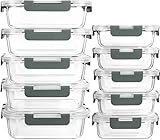
Favorite Tools That Make Meal Prep Way Easier
I’m not big on clutter, so if something earns a permanent spot in my kitchen, you know it’s pulling its weight. These four tools make my weekly meal prep way faster and less frustrating, and dare I say, kind of fun?
These are all things I actually use and love. No fluff here.


No products found.
When “Good Enough” Is Perfect
This isn’t a contest. Some weeks you’ll prep more. Some less. Some meals will be creative masterpieces. Others will be peanut butter toast with apple slices. It’s all okay.
The goal here isn’t to win an award for most perfectly plated dinner. It’s to make your evenings a little less chaotic, whether that means pulling together a tasty burrito bowl or calling it a night with PB&J and carrot sticks.
You don’t have to go all in. Even a little prep can save your sanity later, and that’s a win worth celebrating (preferably with something that doesn’t dirty every pan in the kitchen).
Question: What’s your go-to lazy dinner when you’ve hit your limit? Share your tips with others in the comments below.

More from Everyday Cheapskate
 https://www.everydaycheapskate.com/wp-content/uploads/20261006-prime-big-deal-days-have-landed.png
800
1200
Mary Hunt
https://www.everydaycheapskate.com/wp-content/uploads/EC-Logo-by-Mary-Hunt-Tagline-Trimmed.png
Mary Hunt2026-10-05 11:01:432026-10-07 09:02:53EC’s Top Picks from Amazon Prime Big Deal Days 2026
https://www.everydaycheapskate.com/wp-content/uploads/20261006-prime-big-deal-days-have-landed.png
800
1200
Mary Hunt
https://www.everydaycheapskate.com/wp-content/uploads/EC-Logo-by-Mary-Hunt-Tagline-Trimmed.png
Mary Hunt2026-10-05 11:01:432026-10-07 09:02:53EC’s Top Picks from Amazon Prime Big Deal Days 2026 https://www.everydaycheapskate.com/wp-content/uploads/20261004-reduce-healthcare-costs-with-three-habits-healthy-couple-walking-in-autumn-leaves.png
800
1200
Mary Hunt
https://www.everydaycheapskate.com/wp-content/uploads/EC-Logo-by-Mary-Hunt-Tagline-Trimmed.png
Mary Hunt2026-10-04 23:08:572026-10-04 23:09:47How to Reduce Healthcare Costs With 3 Free Daily Habits
https://www.everydaycheapskate.com/wp-content/uploads/20261004-reduce-healthcare-costs-with-three-habits-healthy-couple-walking-in-autumn-leaves.png
800
1200
Mary Hunt
https://www.everydaycheapskate.com/wp-content/uploads/EC-Logo-by-Mary-Hunt-Tagline-Trimmed.png
Mary Hunt2026-10-04 23:08:572026-10-04 23:09:47How to Reduce Healthcare Costs With 3 Free Daily Habits https://www.everydaycheapskate.com/wp-content/uploads/20241004-news-you-can-use-october-everyday-cheapskate-top-news-articles.png
800
1200
Mary Hunt
https://www.everydaycheapskate.com/wp-content/uploads/EC-Logo-by-Mary-Hunt-Tagline-Trimmed.png
Mary Hunt2026-10-04 01:04:052026-10-11 14:34:17News You Can Use • October 2026
https://www.everydaycheapskate.com/wp-content/uploads/20241004-news-you-can-use-october-everyday-cheapskate-top-news-articles.png
800
1200
Mary Hunt
https://www.everydaycheapskate.com/wp-content/uploads/EC-Logo-by-Mary-Hunt-Tagline-Trimmed.png
Mary Hunt2026-10-04 01:04:052026-10-11 14:34:17News You Can Use • October 2026 https://www.everydaycheapskate.com/wp-content/uploads/20261003-woman-hugging-elderly-mother-sandwich-generation-caring-for-aging-parents.png
800
1200
Mary Hunt
https://www.everydaycheapskate.com/wp-content/uploads/EC-Logo-by-Mary-Hunt-Tagline-Trimmed.png
Mary Hunt2026-10-03 10:47:222026-10-03 10:47:25Sandwiched Between Aging Parents and Adult Children
https://www.everydaycheapskate.com/wp-content/uploads/20261003-woman-hugging-elderly-mother-sandwich-generation-caring-for-aging-parents.png
800
1200
Mary Hunt
https://www.everydaycheapskate.com/wp-content/uploads/EC-Logo-by-Mary-Hunt-Tagline-Trimmed.png
Mary Hunt2026-10-03 10:47:222026-10-03 10:47:25Sandwiched Between Aging Parents and Adult Children https://www.everydaycheapskate.com/wp-content/uploads/20261002-cake-mix-chocolate-chip-cookies.png
800
1200
Mary Hunt
https://www.everydaycheapskate.com/wp-content/uploads/EC-Logo-by-Mary-Hunt-Tagline-Trimmed.png
Mary Hunt2026-10-02 19:44:302026-10-02 19:44:30Cake Mix Chocolate Chip Cookies That Taste Homemade
https://www.everydaycheapskate.com/wp-content/uploads/20261002-cake-mix-chocolate-chip-cookies.png
800
1200
Mary Hunt
https://www.everydaycheapskate.com/wp-content/uploads/EC-Logo-by-Mary-Hunt-Tagline-Trimmed.png
Mary Hunt2026-10-02 19:44:302026-10-02 19:44:30Cake Mix Chocolate Chip Cookies That Taste Homemade https://www.everydaycheapskate.com/wp-content/uploads/20260930-cheap-Halloween-party-snacks-for-kids-punch-bowl-mummy-dogs-ghost-bananas.png
800
1200
Mary Hunt
https://www.everydaycheapskate.com/wp-content/uploads/EC-Logo-by-Mary-Hunt-Tagline-Trimmed.png
Mary Hunt2026-10-01 11:08:582026-10-01 11:08:59These Cheap Halloween Snacks Are Almost Too Easy to Make
https://www.everydaycheapskate.com/wp-content/uploads/20260930-cheap-Halloween-party-snacks-for-kids-punch-bowl-mummy-dogs-ghost-bananas.png
800
1200
Mary Hunt
https://www.everydaycheapskate.com/wp-content/uploads/EC-Logo-by-Mary-Hunt-Tagline-Trimmed.png
Mary Hunt2026-10-01 11:08:582026-10-01 11:08:59These Cheap Halloween Snacks Are Almost Too Easy to Make https://www.everydaycheapskate.com/wp-content/uploads/20260927-impossible-lasagna-pie-recipe-with-wooden-serving-spoon-in-white-casserole-dish.png
800
1200
Mary Hunt
https://www.everydaycheapskate.com/wp-content/uploads/EC-Logo-by-Mary-Hunt-Tagline-Trimmed.png
Mary Hunt2026-09-28 09:38:592026-09-28 22:48:34Impossible Lasagna Pie: All the Flavor, None of the Noodles
https://www.everydaycheapskate.com/wp-content/uploads/20260927-impossible-lasagna-pie-recipe-with-wooden-serving-spoon-in-white-casserole-dish.png
800
1200
Mary Hunt
https://www.everydaycheapskate.com/wp-content/uploads/EC-Logo-by-Mary-Hunt-Tagline-Trimmed.png
Mary Hunt2026-09-28 09:38:592026-09-28 22:48:34Impossible Lasagna Pie: All the Flavor, None of the Noodles https://www.everydaycheapskate.com/wp-content/uploads/20260925-best-inexpensive-coffee-grinders-burr-manual-and-electric.png
800
1200
Mary Hunt
https://www.everydaycheapskate.com/wp-content/uploads/EC-Logo-by-Mary-Hunt-Tagline-Trimmed.png
Mary Hunt2026-09-25 11:06:342026-10-10 15:49:09The Best Coffee Grinder Upgrade That’s Actually Worth It
https://www.everydaycheapskate.com/wp-content/uploads/20260925-best-inexpensive-coffee-grinders-burr-manual-and-electric.png
800
1200
Mary Hunt
https://www.everydaycheapskate.com/wp-content/uploads/EC-Logo-by-Mary-Hunt-Tagline-Trimmed.png
Mary Hunt2026-09-25 11:06:342026-10-10 15:49:09The Best Coffee Grinder Upgrade That’s Actually Worth It https://www.everydaycheapskate.com/wp-content/uploads/20260922-chinese-chicken-in-slow-cooker-with-white-rice-recipe-with-sesame-seeds-and-scallions.png
800
1200
Mary Hunt
https://www.everydaycheapskate.com/wp-content/uploads/EC-Logo-by-Mary-Hunt-Tagline-Trimmed.png
Mary Hunt2026-09-22 10:13:562026-09-28 22:48:39Slow Cooker Chinese Chicken That Beats Takeout
https://www.everydaycheapskate.com/wp-content/uploads/20260922-chinese-chicken-in-slow-cooker-with-white-rice-recipe-with-sesame-seeds-and-scallions.png
800
1200
Mary Hunt
https://www.everydaycheapskate.com/wp-content/uploads/EC-Logo-by-Mary-Hunt-Tagline-Trimmed.png
Mary Hunt2026-09-22 10:13:562026-09-28 22:48:39Slow Cooker Chinese Chicken That Beats TakeoutPlease keep your comments positive, encouraging, helpful, brief,
and on-topic in keeping with EC Commenting Guidelines
Last update on 2026-10-11 / Affiliate links / Images from Amazon Product Advertising API


“There is no award for doing everything from scratch. Buy the bagged salad. Use the pre-chopped onions. Let your slow cooker or sheet pan do the heavy lifting. Use frozen vegetables. Rely on that $5 rotisserie chicken like it’s your kitchen intern.” THANK YOU for saying this. I’m not interested in spending a lot of time preparing some things that are already prepared and relatively healthy.
My Dad bought me a book entitled “Twelve Months of Monastery Soups” by Victor-Antoine D’Avila-Latourrette (yes, I had to look up his name.) All of the recipes make at least 3-4 times as many servings more than what they claim. Maybe vegetables are bigger in America than they are in France. I’ve tried a lot of the recipes and they are very satisfying, hearty, simple to make, and delicious. Almost all of them are vegetarian, too. My family loves the soups and one recipe’s leftovers can be dinner for a few days, or put into something new.
The book taught my sister and I the basics of soup-making and cooking with vegetables, which has made meal prep so much easier for us. Don’t know what to make for dinner? We just cook up something with whatever vegetables we have, then add protein and/or carbs. With a bit of onion and enough salt, it’s amazing. We buy discount produce all the time, food that’s marked down because it needs to be used up soon. I recommend the book for people who want to try their hand at more healthy, homemade meals.
If you have a kitchen aid stand mixer it will shred your chicken or pork shoulder/butt for you using just the usual paddle attachment. Works like a charm. Saw it on a shopping channel, great tip.
I buy frozen chopped vegetables such as onions and mushroom’s. The store I shop in has various kinds of frozen mushrooms and a host of other frozen chopped vegetables. Then I also get emails from The Cross Legacy every day and she shows you how to clean and store all kinds of vegetables as soon as you get home from the store or farmers market. and have them last for 3 weeks in the fridge. She also shares the meals she prepares. Her total monthly food budget is $135.00 per person per month. I highly recommend her site.
yogurt. it’s 59 cents a cup for store brand and by eating it for dinner i lost 30 pounds. the silver lining of being frugal!