

Smile More, Spend Less: The Secret to Affordable Dental Care


Affordable dental care doesn’t mean cutting corners—it’s about building consistent and smart habits. By maintaining a regular routine, you can prevent gum disease, sidestep costly treatments, and keep your smile shining. Discover how brushing, flossing, and rinsing daily can save you thousands while protecting your oral health.

Periodontal disease is an infection that destroys the attachment fibers and supporting bones that hold the teeth in the jaw bone and the bone itself. Bacteria get caught between the teeth and also under the gum, forming a sticky substance called “plaque,” that hardens to form tartar.
This leads to an infection known as gingivitis. As it spreads deeper into the bone it begins to decay and pus forms, which causes swelling, redness, and bleeding. If not treated, the teeth will become loose and fall out.
Here, let me show you what advanced dental disease looks like:

Does that get your attention?! Great because there are relatively inexpensive measures you can take to prevent this ugly situation and all of the very expensive treatments required to treat and (hopefully) reverse. It’s called routine preventive dental care.
The Real Cost of Neglecting Your Dental Care
If you think dental issues are rare, think again. According to the CDC’s National Center for Health Statistics, nearly 26% of adults aged 20–44 have untreated dental caries (tooth decay or cavities), a preventable condition that can spiral into costly complications if left unchecked. For older adults, the stakes are even higher—13.2% of those aged 65 and older suffer from complete tooth loss, often as a result of untreated periodontal disease.
Consider the price of common dental procedures:
- A simple filling can range from $50 to $250 depending on the material and location.
- Need a crown? Expect to pay anywhere from $500 to $2,000 per tooth.
- Tooth extractions range from $75 to $800, and root canals cost between $500 and $1,500.
- If it gets to the point of needing dentures, the price for a full set can soar to $8,000 or more for high-quality options.
These costs add up quickly, particularly for conditions that could have been avoided with proper preventive care.Investing in routine affordable dental care today not only saves your smile but also helps you sidestep painful and expensive consequences tomorrow.
The Daily Dental Routine That Keeps Your Smile Sparkling

You’ve probably been brushing your teeth for as long as you can remember, right? Somewhere between learning to tie your shoes and figuring out how to eat spaghetti without making a mess, you mastered the art of wielding a toothbrush.
But wait, there’s more to the story. Here is a step-by-step routine that keeps your teeth and gums in tip-top shape:
1. Pre-Rinse with Water (Optional)
Optional but oh-so-helpful, a quick rinse with water before brushing loosens up food particles and debris. This simple step can make brushing even more effective, especially if you’ve got braces.
2. Clean Between Teeth (AKA Floss)
Brushing is a must, but even the best toothbrush can’t shimmy into those tight spaces between your teeth. That’s where flossing comes in. It’s not just for dentists to nag about—it’s your secret weapon against plaque buildup.
Here’s how to make flossing effortless:
- Use about 18 inches of floss.
- Wrap it around your fingers and gently glide it between your teeth using a C-shape motion.
- Be kind to your gums—no snapping allowed!
Struggling to keep up the habit? Find a time of day that works for you. Morning, lunch break, or right before bed—just make it stick.
Prefer to floss after you brush? That’s fine, too. I just prefer this order.
3. Brush
Your toothbrush is the star of the show, but technique matters. The ADA-approved method? Start with a soft-bristled brush, hold it at a 45-degree angle, and use short, gentle strokes. Don’t forget the inner surfaces and those tricky spots in the back. Remember: 2 minutes, 2 times a day. Check out this easy-to-follow How to Brush tutorial provided by the ADA →
4. Rinse with Mouthwash
A good fluoride mouthwash is the cherry on top of your routine. While it’s no replacement for brushing and flossing, it’s great for fighting plaque, slowing tartar buildup, and leaving your breath minty fresh. (Psst, keep it out of reach of kiddos under six—little ones might swallow it, which can upset their stomachs.)
Why Professional Cleanings Are Essential for a Healthy Smile

Your daily dental routine is the foundation of affordable dental care, but even the best at-home care can’t replace a professional cleaning. Think of it as a spa day for your teeth—an annual (or semi-annual) must that keeps your oral health in check and your pearly whites in top shape.
Here’s the deal: if you’ve been following all the steps above, your dental hygienist is going to love you. We’re talking happy dance territory.
But professional cleanings aren’t just about impressing the dental team. They’re crucial for catching problems early, like cavities, gum disease, or other sneaky issues that might be lurking out of sight.
Regular visits can save you time, money, and discomfort down the road. And hey, isn’t it nice to know you’ve got a team rooting for you (and your teeth) every step of the way?
Choosing a Dentist
When choosing a dentist, keep these tips in mind to find your perfect fit:
- Convenience is key: Look for an office close to home or work with hours that fit your schedule.
- Check your coverage: If you have dental benefits, confirm the dentist is in-network.
- Communication matters: Need interpreter services or prefer a dentist who’s a member of the ADA? Make sure your needs are met.
Having a dental home—a place you trust and feel comfortable visiting—makes all the difference. It’s where routine visits become part of your self-care, and where you can turn for emergencies without a second thought.
Best Dental Products for a Healthier Smile
When it comes to tools we trust, our family’s picks come straight from the best dentist in the world—Oliver & Rorem Dentistry! Longtime readers might remember that when we first moved to Colorado, we actually scheduled trips back to California just to visit our favorite dentist. Years have passed, and while we’ve now found a wonderful dental home closer to us, I can’t speak more fondly of the dental team that cared for us like family during those years.
A healthy smile isn’t just for confidence—it’s key to overall wellness and helps avoid costly dental procedures later. The right products make all the difference, turning your daily routine into a powerful habit for maintaining healthy teeth and gums. Here are some of our favorites:
Our Favorite Dental Products
- Toothbrush Options
- Toothpaste
- Mouthwash
- Flossing Options
Toothbrush Options
When it comes to choosing a toothbrush, look for the ADA Seal of Acceptance. It’s the gold standard, meaning the toothbrush has been vetted by experts to ensure it’s durable, effective, and safe for your teeth and gums. Whether you go manual or powered is up to you—both will get the job done as long as you brush twice a day for two minutes with fluoride toothpaste.
No matter which brush you choose, remember to replace it every 3-4 months or sooner if the bristles start to fray. And stick to soft bristles to protect your gums and enamel—there’s no need to scrub hard. Your toothbrush and fluoride toothpaste will handle the heavy lifting.
Lastly, keep it personal—no sharing! Your toothbrush is yours alone to avoid swapping germs and bacteria.
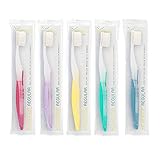
Best Manual: NIMBUS Extra Soft Toothbrush

NIMBUS Extra Soft Toothbrush, 5-Pack
If you’re leaning manual, the NIMBUS Extra Soft Toothbrush is an excellent choice, especially for sensitive teeth and gums. Designed by a periodontist, it features two stages of ultra-soft bristles—long, tapered bristles for those hard-to-reach areas and shorter bristles for efficient plaque removal. It’s gentle yet thorough, making it a favorite for maintaining gum health.
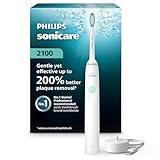
Best Powered: Philips Sonicare 2100 Power Toothbrush

Philips Sonicare 2100 Power Toothbrush
Prefer powered? We do! The Philips Sonicare 2100 Power Toothbrush combines advanced sonic technology with a slim, ergonomic design to give your teeth a spa-like clean. With features like a 2-minute timer, QuadPacer, and 14-day battery life, it’s a powerful option for those ready to upgrade from a manual brush. Plus, it’s proven to remove plaque up to 3x better than manual brushing while staying gentle on your gums.
Best Inexpensive Replacement Heads: Brushmo Sensitive Extra Soft Bristle Replacement Toothbrush Heads

Brushmo Sensitive Extra Soft Bristle Replacement Toothbrush Heads
For an affordable yet high-quality replacement head, these generic replacement heads are a great option. With ultra-soft bristles, these fit a variety of Philips Sonicare models, and the smart indicator bristles let you know when it’s time to replace them. Plus, they come with hygienic caps for easy storage.

Our Top Pick for Toothpaste

Arm & Hammer™ Advance White™ Extreme Whitening Toothpaste
Toothpaste does more than freshen your breath—it’s key to keeping your teeth and gums healthy by removing debris and fighting plaque. Look for fluoride to prevent decay, whitening agents for a brighter smile, or desensitizing formulas if you have sensitive teeth. And always choose one with the ADA Seal for proven safety and effectiveness.
I’ve long loved baking soda for cleaning and now for dental care. When I tried Arm & Hammer Advance White Toothpaste, its baking soda formula promised a deeper clean and brighter smile—and it delivered. The taste and texture took some getting used to, but within days, my teeth felt smoother and looked noticeably whiter without harming my enamel. This toothpaste offers whitening, plaque-fighting, and gentle cleaning, and it’s ADA-approved for safety and effectiveness.

Our Favorite Mouthwash

Closys Healthy Teeth Mouthwash with Fluoride
While not a replacement for brushing and flossing, adding mouthwash can take your oral hygiene routine to the next level. Mouthwash can reach areas your toothbrush can’t, helping to prevent tooth decay, reduce plaque and gingivitis, slow tartar buildup, and freshen breath.
Keep in mind there are two different types of mouthwash–therapeutic and cosmetic. Therapeutic mouthwashes contain active ingredients to kill bacteria, fight plaque, reduce cavities, and freshen breath, while cosmetic mouthwashes temporarily freshen breath but don’t reduce your risk of cavities or gum disease. Again, look for the ADA Seal of Acceptance when choosing a mouthwash, and consult your dentist to find the right one for your needs.
The Closys Healthy Teeth Mouthwash with Fluoride is the mouthwash our dentist uses. It’s free of alcohol, sulfates, and other irritating ingredients, making it gentle enough for longer rinses. Its pH-balanced formula is as gentle as water, and it’s available in an ultra-sensitive, unflavored version for those who prefer a milder option.


Our Top Picks for Dental Floss
Flossing may not be the most glamorous part of your oral care routine, but it’s absolutely essential for maintaining a healthy smile. The right floss can make the difference between a task you dread and one that’s, dare I say, satisfying. The best dental floss does more than just squeeze between your teeth. It should glide smoothly without shredding or fraying and be gentle on gums yet strong enough to remove stubborn plaque. It’s important that it fit your specific needs, whether you prefer a traditional string, woven fibers for extra grip, or pre-threaded flossers for convenience. And bonus points if it feels great to use—because who doesn’t need a little joy in their daily routine?
Best Floss: Cocofloss Woven Dental Floss

Cocofloss Woven Dental Floss
Let me just say it: Cocofloss changed my flossing game entirely. It’s not just any floss. Designed by a dentist and her artist sister, this product combines high-performance with a touch of fun. The textured fibers grip plaque like a pro, leaving your teeth feeling professionally cleaned. I even catch myself looking forward to flossing just to use this. Yes, it’s pricier than drugstore brands, but it’s worth every penny for the results—and the experience.
Best for On-The-Go: GUM Soft-Picks Original

GUM Soft-Picks Original, 320-Count
These dental picks aren’t technically floss, but they’re perfect for quick touch-ups and on-the-go use. The soft rubber bristles gently clean between teeth without irritating your gums. I keep a stash in my purse, and they’ve saved me from embarrassing post-meal moments countless times. Plus, they come with a handy travel case, so they’re always ready when you are.
Best Water: Waterpik Cordless Advanced 2.0 Water Flosser

Waterpik Cordless Advanced 2.0 Water Flosser
This water flosser is especially helpful for braces, bridges, or hard-to-reach spots. With multiple tips, pressure settings, and a portable design, it’s perfect for at-home use or travel. It’s clinically proven to remove up to 99.9% of plaque from treated areas, which is music to any dentist’s ears. Just don’t forget to clean it regularly with a water-and-vinegar mix to keep it running smoothly.
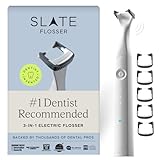
Best Electric: Slate Electric Flosser

Slate Electric Flosser
This one’s a powerhouse for deep cleaning. With 12,000 sonic vibrations per minute and innovative Gum Sweeps™ technology, it combines the effectiveness of traditional floss with the ease of powered devices. My dental hygienist was so impressed with my teeth on my last visit, she added it to her own toolkit. If you’re looking for a tool that truly feels like it’s leveling up your dental care routine, this is it.


A Smile That Pays You Back
Maintaining oral health doesn’t have to break the bank—it’s all about choosing the right products and sticking to a simple routine. When you compare it to the potential costs of neglecting your teeth, the value is clear.
The Real Cost
- Budget-Friendly Plan: (Manual brush, basic floss, mouthwash): Around $10–$15/month
- Premium Plan: (Powered toothbrush, water flosser): Just $24–$30/month for the first 12 months — but keep in mind, your powered toothbrush and flosser are one-time purchases that will last for years!
Why Invest in Prevention?
While these prices might seem like an expense, they’re nothing compared to the cost of dental treatments down the road. A root canal alone can cost anywhere from $500 to $1,500, not including any follow-up procedures.
By investing in your daily routine now, you’re saving big later. Whether you opt for a basic or premium setup, the most important thing is consistency. Brush, floss, rinse, and watch your healthy smile—and your savings—shine!
Question: What’s the one dental product you can’t live without? Tell us about your go-to routine for keeping your smile healthy.
EverydayCheapskate™ is reader-supported. We participate in the Amazon Services LLC Associates Program and other affiliate advertising programs, designed to provide a means for us to earn from qualifying purchases, at no cost to you.

More from Everyday Cheapskate
 https://www.everydaycheapskate.com/wp-content/uploads/20260822-central-AC-maintenance-air-condenser-outdoors.png
800
1200
Mary Hunt
https://www.everydaycheapskate.com/wp-content/uploads/EC-Logo-by-Mary-Hunt-Tagline-Trimmed.png
Mary Hunt2026-08-22 14:19:562026-08-22 14:19:59How to Extend the Life of Your Central AC (5 Late-Summer Tune-Up Tips)
https://www.everydaycheapskate.com/wp-content/uploads/20260822-central-AC-maintenance-air-condenser-outdoors.png
800
1200
Mary Hunt
https://www.everydaycheapskate.com/wp-content/uploads/EC-Logo-by-Mary-Hunt-Tagline-Trimmed.png
Mary Hunt2026-08-22 14:19:562026-08-22 14:19:59How to Extend the Life of Your Central AC (5 Late-Summer Tune-Up Tips) https://www.everydaycheapskate.com/wp-content/uploads/20260817-thrift-store-sign-with-blue-cloudy-sky-in-background.png
800
1200
Mary Hunt
https://www.everydaycheapskate.com/wp-content/uploads/EC-Logo-by-Mary-Hunt-Tagline-Trimmed.png
Mary Hunt2026-08-17 09:17:472026-08-17 09:17:47The Donation Box Mistakes Thrift Stores Wish We’d Skip
https://www.everydaycheapskate.com/wp-content/uploads/20260817-thrift-store-sign-with-blue-cloudy-sky-in-background.png
800
1200
Mary Hunt
https://www.everydaycheapskate.com/wp-content/uploads/EC-Logo-by-Mary-Hunt-Tagline-Trimmed.png
Mary Hunt2026-08-17 09:17:472026-08-17 09:17:47The Donation Box Mistakes Thrift Stores Wish We’d Skip https://www.everydaycheapskate.com/wp-content/uploads/20260815-how-to-water-your-lawn-without-wasting-money.png
800
1200
Mary Hunt
https://www.everydaycheapskate.com/wp-content/uploads/EC-Logo-by-Mary-Hunt-Tagline-Trimmed.png
Mary Hunt2026-08-15 12:45:022026-08-15 12:45:02How to Water Your Lawn Without Wasting Money This Summer
https://www.everydaycheapskate.com/wp-content/uploads/20260815-how-to-water-your-lawn-without-wasting-money.png
800
1200
Mary Hunt
https://www.everydaycheapskate.com/wp-content/uploads/EC-Logo-by-Mary-Hunt-Tagline-Trimmed.png
Mary Hunt2026-08-15 12:45:022026-08-15 12:45:02How to Water Your Lawn Without Wasting Money This Summer https://www.everydaycheapskate.com/wp-content/uploads/20260813-real-hourly-wage-for-a-second-income.png
800
1200
Mary Hunt
https://www.everydaycheapskate.com/wp-content/uploads/EC-Logo-by-Mary-Hunt-Tagline-Trimmed.png
Mary Hunt2026-08-13 21:16:562026-08-13 21:18:10What’s the Real Hourly Wage of Your Second Income Job?
https://www.everydaycheapskate.com/wp-content/uploads/20260813-real-hourly-wage-for-a-second-income.png
800
1200
Mary Hunt
https://www.everydaycheapskate.com/wp-content/uploads/EC-Logo-by-Mary-Hunt-Tagline-Trimmed.png
Mary Hunt2026-08-13 21:16:562026-08-13 21:18:10What’s the Real Hourly Wage of Your Second Income Job? https://www.everydaycheapskate.com/wp-content/uploads/20260808-emergency-flashlight-multi-day-power-outage-prep.png
800
1200
Mary Hunt
https://www.everydaycheapskate.com/wp-content/uploads/EC-Logo-by-Mary-Hunt-Tagline-Trimmed.png
Mary Hunt2026-08-08 12:30:072026-08-08 12:30:08How to Prep Your Home for a Multi-Day Power Outage
https://www.everydaycheapskate.com/wp-content/uploads/20260808-emergency-flashlight-multi-day-power-outage-prep.png
800
1200
Mary Hunt
https://www.everydaycheapskate.com/wp-content/uploads/EC-Logo-by-Mary-Hunt-Tagline-Trimmed.png
Mary Hunt2026-08-08 12:30:072026-08-08 12:30:08How to Prep Your Home for a Multi-Day Power Outage https://www.everydaycheapskate.com/wp-content/uploads/20260807-Sunday-school-prep-routine-get-the-family-ready-for-the-week.png
800
1200
Mary Hunt
https://www.everydaycheapskate.com/wp-content/uploads/EC-Logo-by-Mary-Hunt-Tagline-Trimmed.png
Mary Hunt2026-08-07 11:22:222026-08-07 11:22:22The 15-Minute Sunday Prep That Runs Your Whole School Week
https://www.everydaycheapskate.com/wp-content/uploads/20260807-Sunday-school-prep-routine-get-the-family-ready-for-the-week.png
800
1200
Mary Hunt
https://www.everydaycheapskate.com/wp-content/uploads/EC-Logo-by-Mary-Hunt-Tagline-Trimmed.png
Mary Hunt2026-08-07 11:22:222026-08-07 11:22:22The 15-Minute Sunday Prep That Runs Your Whole School Week https://www.everydaycheapskate.com/wp-content/uploads/20260801-best-inexpensive-backpack-girl-holding-bag-with-ripped-jeans.png
800
1200
Mary Hunt
https://www.everydaycheapskate.com/wp-content/uploads/EC-Logo-by-Mary-Hunt-Tagline-Trimmed.png
Mary Hunt2026-08-01 13:11:412026-08-01 13:11:41Best Inexpensive Backpacks That Actually Last for Years
https://www.everydaycheapskate.com/wp-content/uploads/20260801-best-inexpensive-backpack-girl-holding-bag-with-ripped-jeans.png
800
1200
Mary Hunt
https://www.everydaycheapskate.com/wp-content/uploads/EC-Logo-by-Mary-Hunt-Tagline-Trimmed.png
Mary Hunt2026-08-01 13:11:412026-08-01 13:11:41Best Inexpensive Backpacks That Actually Last for Years https://www.everydaycheapskate.com/wp-content/uploads/20260729-the-problem-with-fabric-softener-sitting-on-a-washer.png
800
1200
Mary Hunt
https://www.everydaycheapskate.com/wp-content/uploads/EC-Logo-by-Mary-Hunt-Tagline-Trimmed.png
Mary Hunt2026-07-29 13:45:412026-07-29 13:47:50Fabric Softener Is Wrecking Your Laundry. Here’s What Actually Works.
https://www.everydaycheapskate.com/wp-content/uploads/20260729-the-problem-with-fabric-softener-sitting-on-a-washer.png
800
1200
Mary Hunt
https://www.everydaycheapskate.com/wp-content/uploads/EC-Logo-by-Mary-Hunt-Tagline-Trimmed.png
Mary Hunt2026-07-29 13:45:412026-07-29 13:47:50Fabric Softener Is Wrecking Your Laundry. Here’s What Actually Works. https://www.everydaycheapskate.com/wp-content/uploads/20260723-budget-homework-station-young-boy-studying-at-kitchen-dining-table.png
800
1200
Mary Hunt
https://www.everydaycheapskate.com/wp-content/uploads/EC-Logo-by-Mary-Hunt-Tagline-Trimmed.png
Mary Hunt2026-07-23 10:53:402026-07-23 10:53:41How to Set Up a Homework Station Your Kids Will Actually Use
https://www.everydaycheapskate.com/wp-content/uploads/20260723-budget-homework-station-young-boy-studying-at-kitchen-dining-table.png
800
1200
Mary Hunt
https://www.everydaycheapskate.com/wp-content/uploads/EC-Logo-by-Mary-Hunt-Tagline-Trimmed.png
Mary Hunt2026-07-23 10:53:402026-07-23 10:53:41How to Set Up a Homework Station Your Kids Will Actually UsePlease keep your comments positive, encouraging, helpful, brief,
and on-topic in keeping with EC Commenting Guidelines
Last update on 2026-09-02 / Affiliate links / Images from Amazon Product Advertising API


i have a question for you. in my area, dental cards – not insurance cards – are heavily advertised on TV. they are supposed to be accepted by all/most dentists and lessen the cost of services. it seems they work something like GoodRX cards. i think they’re free or pretty low cost. i don’t have dental insurance. i’ve had it but since i’m phobic about going to the dentist, i’d rather just pay out of pocket (and i can afford it). but, if these cards actually decrease any of the costs, i’ll get one. i know GoodRX cards work. Thanks
I don’t know about “dental cards.” But I do know about Dental Savings Plans. My husband and I have our Dental Savings Plan for the past three years and have received discounts from our family dentist who we had before we signed up for a Dental Savings Plan, that adds up to more than $2,00! It’s not insurance, and works a lot like GoodRx. Read all about Dental Savings Plans: Put a Beautiful Smile on Your Face with a Dental Savings Plan
I would add to all of your EXCELLENT suggestions for routine dental care — to increase teeth cleaning from the usual once every 6 months to every 3 to 3.5 months. Yes, dental coverage may not cover those more frequent visits, so I arranged with my dentist to pay out of pocket on the non-insurance visits what the insurance would pay the dentist for routine cleanings. The results of more frequent cleaning ? A much easier job for the dental hygienist with less to clean because there’s less build-up with more frequent dental cleanings. Which means far less tediousness to endure by the patient in the chair. Around the 3 or 4 months mark, I have the tendency to get sloppy with my at-home dental care. More frequent cleanings takes care of my human tendency to laziness. Also with more frequent cleanings, dental concerns are caught much earlier. I’m 70 years old and still have all of my teeth. I started the more frequent cleanings in my late 40’s. My dental visits now, besides routine cleanings, involve filling a few cavities here and there and applying a few crowns