Three Little Ways to Save Big

Think you’ve cut your expenses all you possibly can? You might be wrong. Check out these simple ways you can keep more of your hard-earned money over the next 12 months.

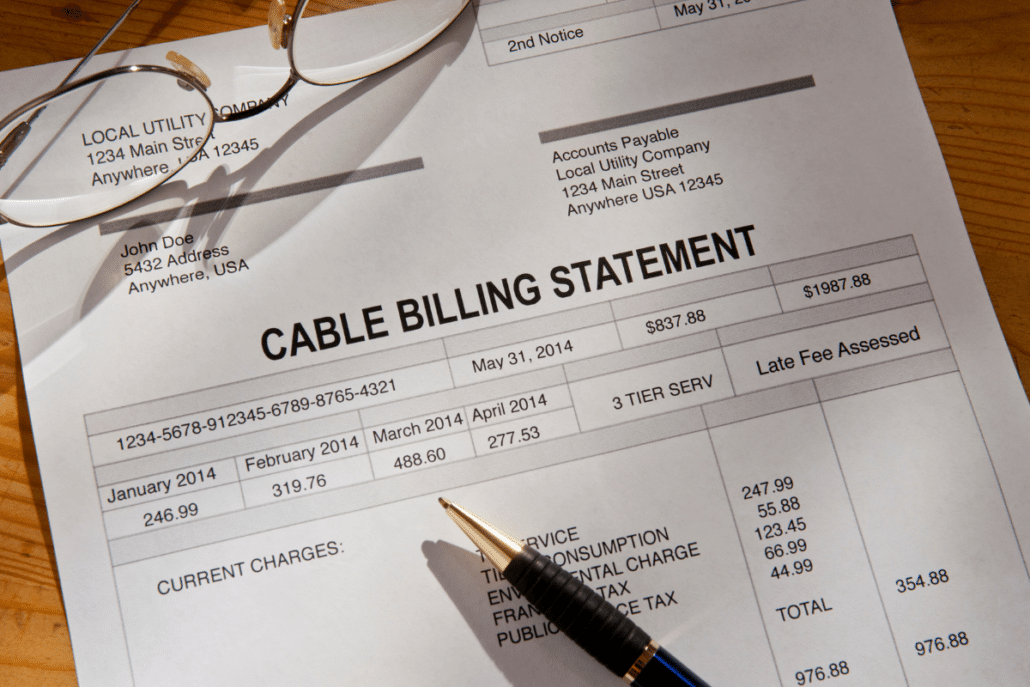
Unhook the cable. Make a one-year commitment to living without cable television. If you can’t bear the thought of missing your favorite shows, consider the rapidly expanding website Hulu.com where you can watch hundreds of popular TV shows like “Family Guy,” “House,” and “The Office,” “The Daily Show with Jon Stewart,” reality shows like “The Biggest Loser” and “Top Chef,” news clips including those from “NBC Nightly News with Brian Williams,” tons of shows from Fox News, Home and Garden TV and the Food Channel, too. The free option gives you limited access or upgrade to premium and for $7.99 a month you get streaming of all current season episodes from hundreds of shows. J.D. Roth, founder of GetRichSlowly.org, says he and his wife cut back their $65-a-month deluxe cable package to the $12-a-month basic cable service, which offers local broadcast channels plus a handful of random cable channels. Now they use the free Hulu option, Netflix, iTunes and the public library.  A great and budget friendly device is the Roku “To be honest,” says J.D., “we don’t miss cable at all. It’s great having $53 extra each month to spend on things that are more important to us, like travel.” Annual savings: $600

meet-roku-channel-screen-v6

For those without a SmartTV or who don’t want to be confined to the computer, there is a great budget friendly device called a “Roku” which plugs  into your TV and works with the internet in your home to allow you to stream thousands of movies and TV shows for free. You can also connect it with your existing Netflix, Hulu, or Amazon Prime account for a big screen experience. A Roku costs $49.99 for the base model and up to $100 for all the bells and whistles. Learn more at Roku.com. Continue reading

Posted on by Mary Hunt in Home & Family 23 Comments

6 Ways to Jumpstart Your Retirement Savings

If the question, “When can I retire?” ties your stomach in knots, don’t feel like the Lone Ranger. Millions of your peers are in the same boat with little, if any, savings put away to supplement their Social Security benefits during retirement.

Waiting until age 50 or 60 to start saving for retirement is not ideal. It’s late but not too late. Anything you do now can improve your future.

Some rights reserved by ewen and donabel

Some rights reserved by ewen and donabel

DIVE IN. You don’t have the luxury to gently ease into the retirement savings waters. Forget about the mistakes you’ve made in the past and dive in. Focus your full attention on the years you have to save for the future.

KEEP WORKING. Every situation is unique but generally as long as you are healthy, you need to keep working. You may be tempted to hang it up on the first day you can draw Social Security benefits, but do you really want to join the 10 million American retires who are currently living on Social Security and Medicare alone? Enough said. Continue reading

Posted on by Mary Hunt in Mary's Perspective 2 Comments

Ridiculous Comfort in a Baking Dish

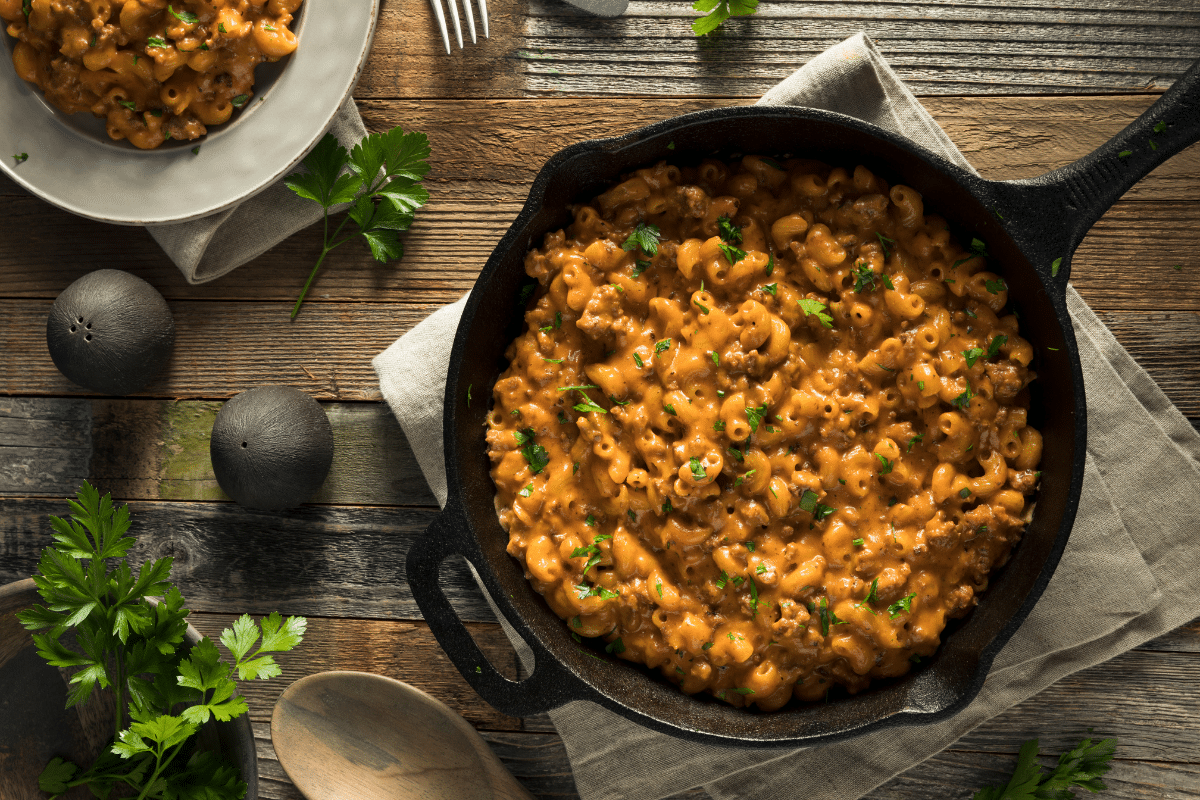
I don’t know what it is about a hot, bubbly casserole that sends me (and my tastebuds) back to my childhood. Maybe it’s the awesome smell that wafts from the kitchen. Or it might be all the potluck dinners I attended as the preacher’s kid. Remember those suppers spread out on big tables in the church basement covered with white paper?

Some rights reserved by thisreidwrites

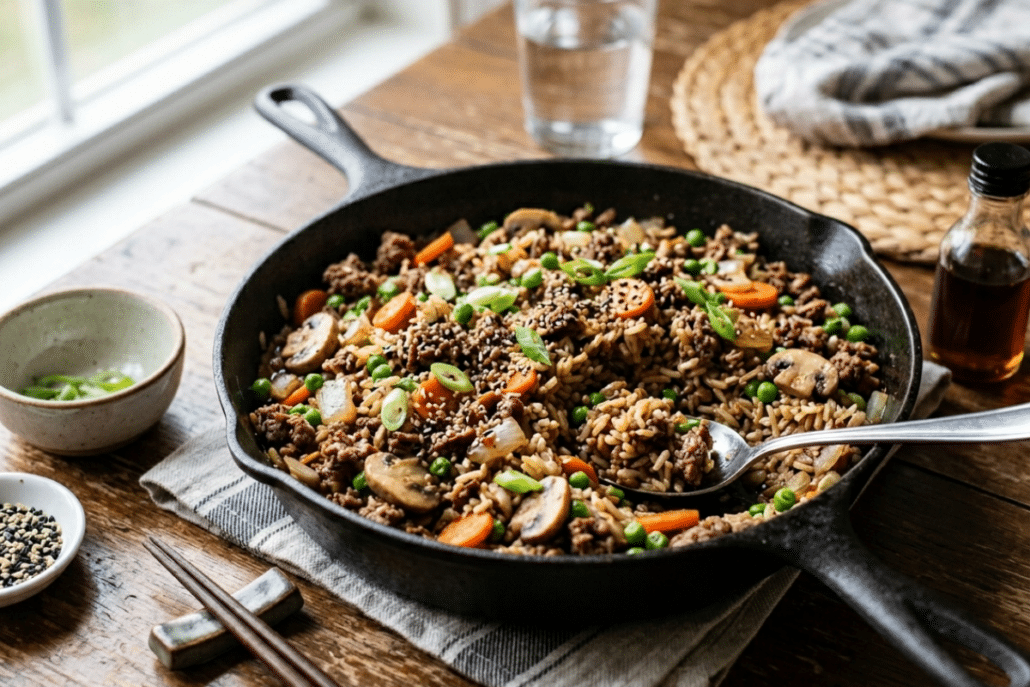
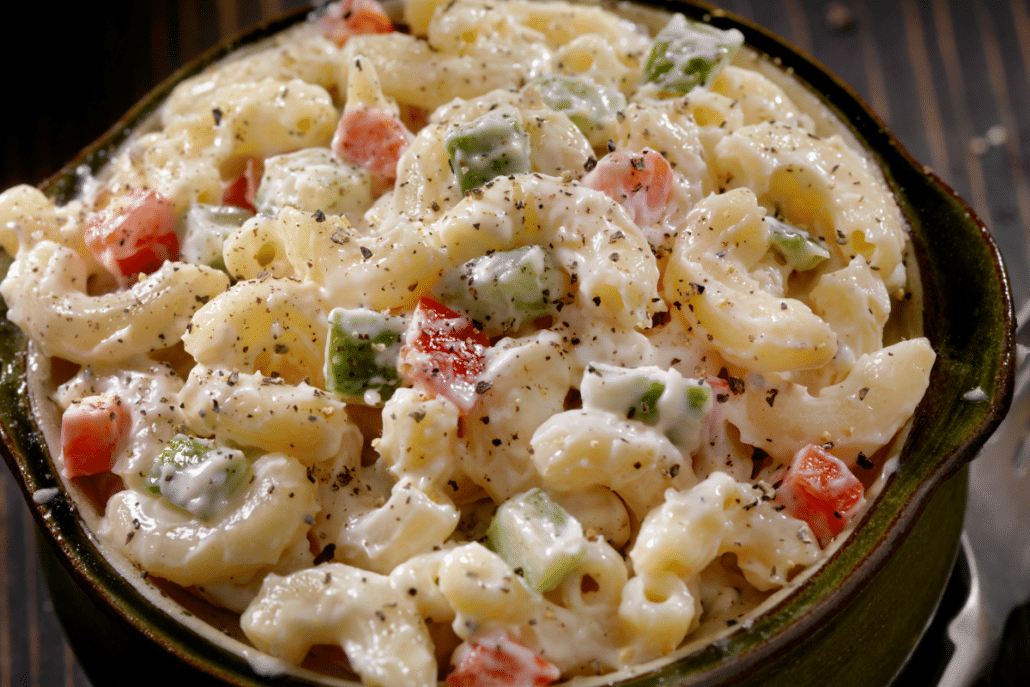
Today, I have a recipe for an amazing casserole that is not only delicious, it is diabetic friendly and good for you, too. (I am afraid that I cannot say the same about many of the things I’ve consumed over the years at church potlucks!) plus a yummy healthy dessert, as well. Just add a fresh green salad and you’ll have all you need for a great, healthy meal the whole family will enjoy.

Continue reading

Posted on by Mary Hunt in Food & Recipes 9 Comments

In Banking “High-Yield” Means Better than Nothing

There was a time when it was routine for banks and credit unions to pay 6 percent on savings accounts. Remember that? And if you were willing to commit to an extended period of time in a Certificate of Deposit (CD), you could get 10 percent, maybe more. Those good old days are gone, at least for now. Still the term “high-yield” remains and refers to the handful of FDIC-insured online banks that continue to pay three to four times the amount of interest you’ll earn in a traditional bank or credit union.

NailedMoney

Capital One 360 (formerly INGDirect) continues to hold the lead in popularity because of its great website, excellent customer service, and multitude of other financial products including a great savings account that has no minimum amount required to open an account. And did I say no fees? It’s true. This online savings account links to your checking account no matter where that is, which allows for seamless transfer of money between the two. Currently, CapitalOne360.com is paying .75 percent interest on savings accounts, which these days does qualify as high-yield. Continue reading

Posted on by Mary Hunt in Mary's Perspective 7 Comments

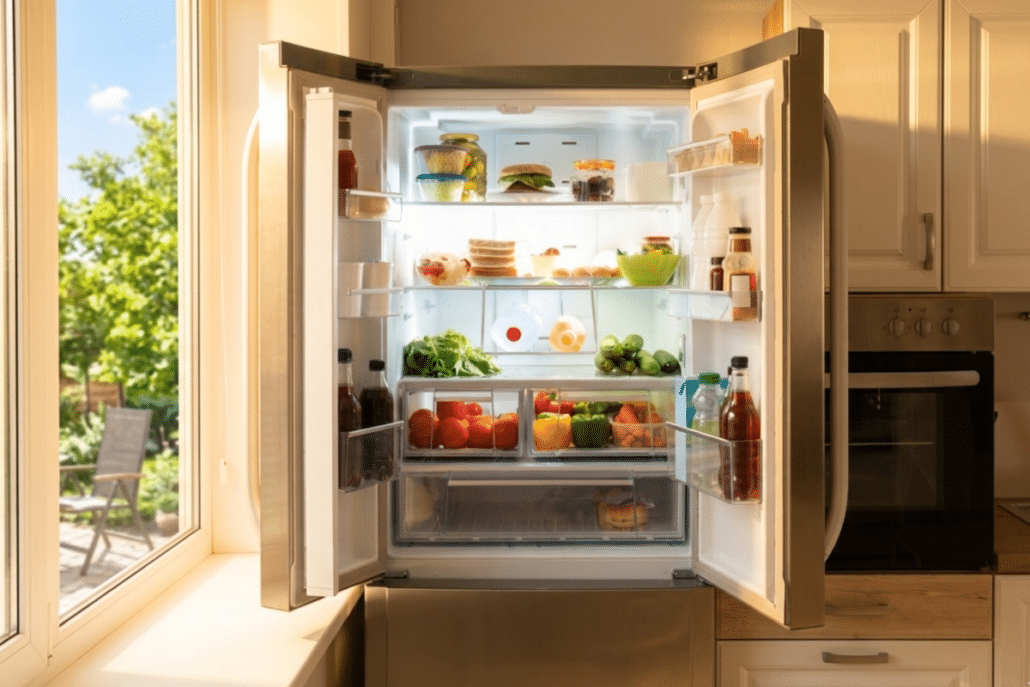
Store Lettuce in a Jar, Not a Bag

The saying, “When the student is ready, the teacher will come,” popped into my mind this week when I received today’s first tip in my email box. I was certainly ready to learn, having just experienced the heartbreak of tossing a hopelessly spoiled head of romaine into the garbage. I hate when that happens, so you can be sure there’s now a 2-gallon sized Mason jar in my refrigerator.

Some rights reserved by Muffet

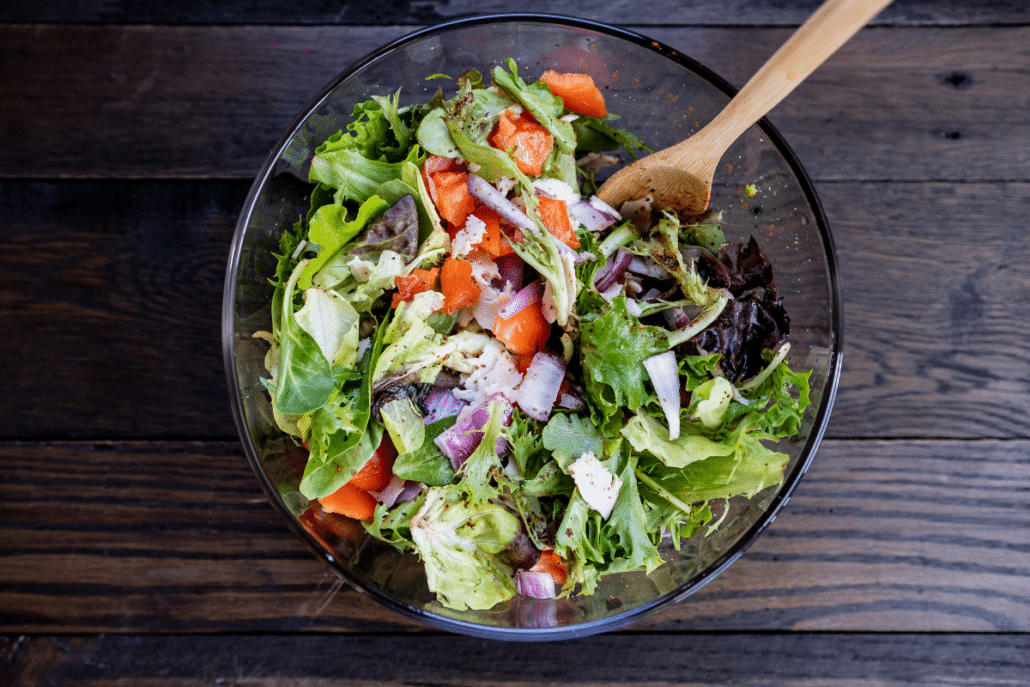
Jar the lettuce. I was having a real problem keeping lettuce from either freezing or spoiling in my fridge until a friend told me to store it in a glass canning type jar with the lid applied. That seems to work so much better than plastic bags to prolong the life of any kind of lettuce. I’m not sure why this works, but I’m so glad it does. —Louise, Oklahoma Continue reading

Posted on by Mary Hunt in Tips 13 Comments